The geopolitical map of the Middle East is undergoing rapid changes. While attention was previously focused on the Strait of Hormuz, Tehran is now signaling its readiness to open a new front of pressure. Iran is considering the possibility of blocking the Bab el-Mandeb Strait — a strategically vital waterway connecting the Red Sea with the Gulf of Aden.
To implement this threat, Iran relies on its allies — the Yemeni Houthis. Analysts are convinced that Tehran aims to expand the conflict to increase pressure on the United States. Such actions pose a direct threat to global trade and the stability of energy supplies beyond the Persian Gulf.
Threat of Rising Oil Prices
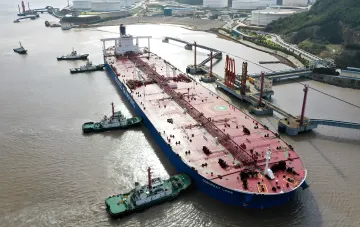
Bab el-Mandeb is a narrow waterway through which a significant portion of global shipping and Saudi oil exports pass. The risk of closing this route is becoming increasingly real. On July 13, a Yemeni official issued an alarming warning: the country's armed forces are ready to close the strait. According to him, this would lead to a sharp spike in oil prices to $200 per barrel.
Mohammed al-Farah, a member of the political bureau of the Ansarullah movement (Houthis), stated that Washington is inciting Saudi Arabia to strike Yemen. He emphasized that such actions would never be in the interests of the US and cynically warned:
"If the current situation escalates, the Bab el-Mandeb Strait and the Strait of Hormuz will be closed as part of an operational alliance".
Experience in "Strangling" Global Trade
The Houthis have already demonstrated the ability to disrupt logistics chains. Following the outbreak of the war in Gaza in October 2023, they began systematically attacking commercial shipping in the Red Sea. Their strikes were directed at vessels linked to Israel in support of the Palestinians. This campaign forced major shipping companies to reroute vessels around southern Africa, significantly increasing logistics costs.
Experts note that the main danger lies in the "creeping mission flow" — a slow but relentless escalation where each side increases pressure without direct confrontation. The conflict is spreading from the Persian Gulf to the Red Sea, turning the world's two most critical oil chokepoints into a defining battlefield.
US Reaction and Escalation
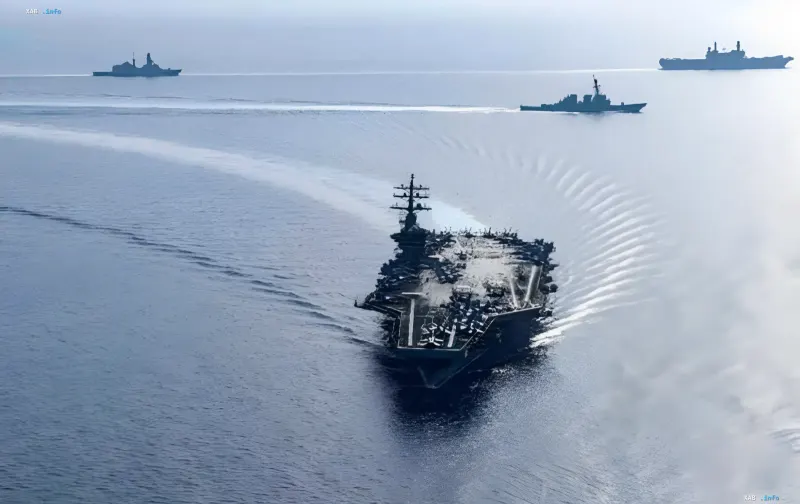
The situation is exacerbated by mutual threats. If Washington increases strikes on Iran's critical infrastructure, Tehran may respond by using Yemeni allies to close the Bab el-Mandeb Strait. This would intensify the economic shock already caused by instability in the Strait of Hormuz.
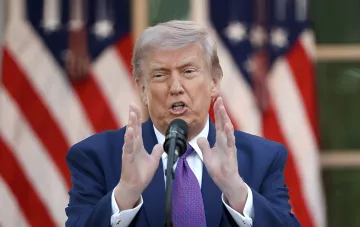
Against this backdrop, US President Donald Trump stated that he abandoned the idea of charging a 20% fee for ships passing through the Strait of Hormuz. Instead, the US is counting on concluding new favorable agreements with Persian Gulf states.
However, the reality on the ground remains harsh. Iran has already attacked two UAE tankers with missiles in the Strait of Hormuz. As a result of the incident, one crew member died, and two Ukrainian citizens were among the injured. This confirms that the region is on the brink of serious escalation capable of affecting the interests of the entire world.