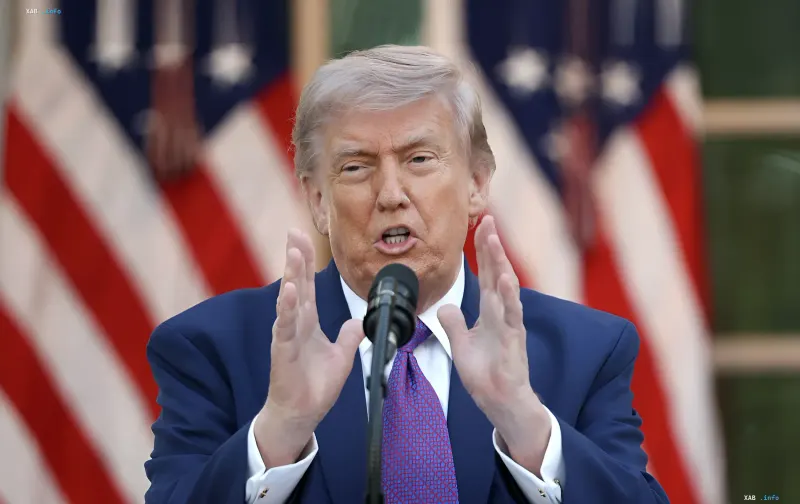
US President Donald Trump, during a meeting with Lebanese leader Joseph Aoun, firmly outlined Washington's position regarding threats to navigation in the Red Sea. The White House chief made it clear that the United States will not allow the closure of this strategically vital waterway, despite statements by Yemeni Houthis about a possible blockade of Saudi Arabia.
"We have done this before"
Discussing the situation in the region, Trump referred to past experience dealing with the armed group. According to him, Washington has already taken decisive measures against the Houthis in the past, after which no threats came from them for a long time. The President emphasized that the militants had no problems with the US even against the backdrop of the escalation of the conflict with Iran.
"It may happen, but we will take care of it if something like that happens. We have already done this with the Houthis before, and we haven't heard from them since we did what we did," the American leader stated.
Trump added that in the event of repeated attempts to disrupt freedom of navigation, the US would be forced to "deal with these matters" again, implying the use of military force or other coercive measures to restore order.
Threat to close the Bab el-Mandeb Strait
The provocative statement by the Houthis was made on July 20. The Iran-backed group announced the imposition of a naval blockade on Saudi Arabia, justifying this step as a response to the long-standing blockade of Yemen. The situation is exacerbated by the fact that Tehran had previously officially asked the Houthis to be ready to close the oil route through the Bab el-Mandeb Strait.
According to the conditions set by Iranian leadership, the closure of the strait could occur in the event of a US strike on Iranian energy infrastructure. The risk of escalation is confirmed by Yemeni officials as well: on July 13, an official warned that the country's armed forces are ready to block the passage, which, in his assessment, would lead to a surge in global oil prices to $200 per barrel.