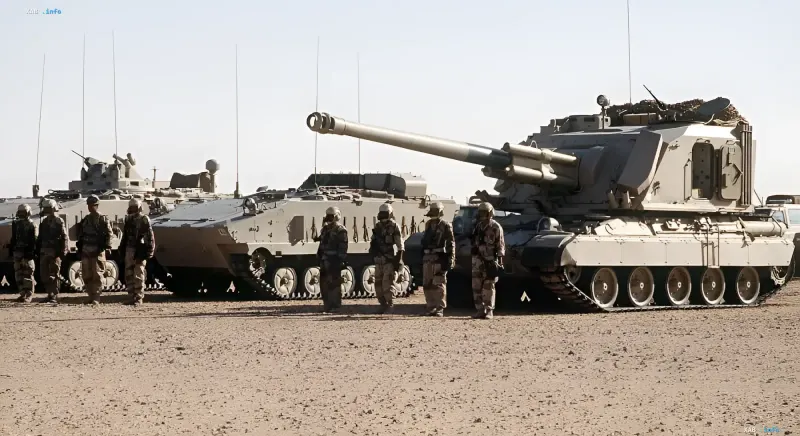
Saudi Arabia, a key player in the global oil market, is preparing for a significant strategic shift in Yemen. According to The Guardian, Riyadh plans to launch a large-scale military operation that could include not only airstrikes and naval actions but also a full-scale ground offensive in the central part of the country.
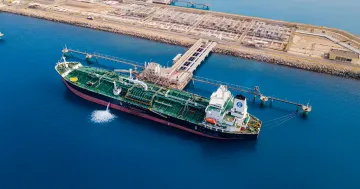
The decision to resume active combat operations is dictated by the need to relieve pressure on oil shipments passing through the southern part of the Red Sea. In recent weeks, Iran-backed Houthi rebels have intensified attacks on shipping, forcing several tankers to change routes and circumnavigate Africa, thereby increasing delivery times.
Troop Redeployment and Plans for Al Bayda
According to Yemeni sources, Saudi forces have begun a massive redeployment. Units are being withdrawn from eastern Yemen, where they support the internationally recognized government, to be transferred to the west. The likely target of the new operation is the Al Bayda province in the central-southern region, which was captured by the Houthis in 2020–2021.
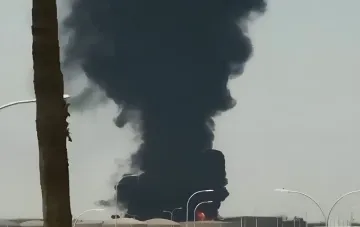
This move marks the breakdown of a relatively stable balance of power that has persisted since Riyadh intervened in the civil war in 2015. Saudi Arabia aims to demonstrate its readiness to protect its territory and critical oil infrastructure, which was attacked by the Houthis on July 25.
Formation of an International Naval Coalition
Parallel to the preparation of the ground operation, Riyadh is actively working on the diplomatic front. Saudi Arabia has initiated the creation of an international naval coalition to protect shipping in the Red Sea and the Bab el-Mandeb strait from rebel attacks.
The Kingdom's Ministry of Defense reported that the idea has already been supported by 14 states, including Turkey, Pakistan, Egypt, Sudan, and Djibouti. Furthermore, Saudi Arabia has appealed to the US and key European powers—Germany, France, the UK, and Italy—to join the initiative.
Causes of Escalation: Oil and Geopolitics
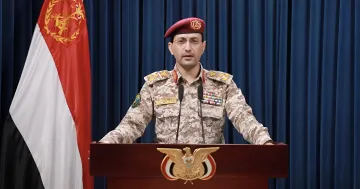
A new wave of tension began on July 20, when the Houthis announced a blockade of Saudi vessels. The rebels, who control the capital Sanaa and the Red Sea coast, stated they would only lift the blockade after Saudi Arabia ends its isolation of their territories. In response to the threats, six Saudi oil tankers have already altered course, heading around Africa.
The importance of the route through the Red Sea has risen sharply against the backdrop of the conflict between Iran and Israel. If this route is blocked as effectively as the Strait of Hormuz, Saudi Arabia's export capabilities would be significantly reduced. Nevertheless, Riyadh is trying to avoid direct escalation with Tehran, counting on the possibility of a diplomatic resolution of the differences between Iran and Washington.