Change of Power in London: Priority on Continuity
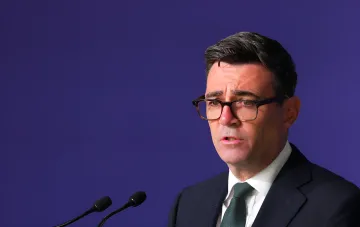
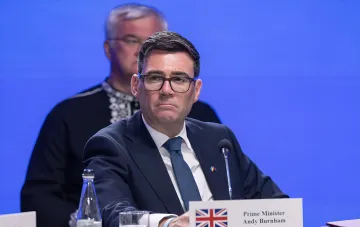
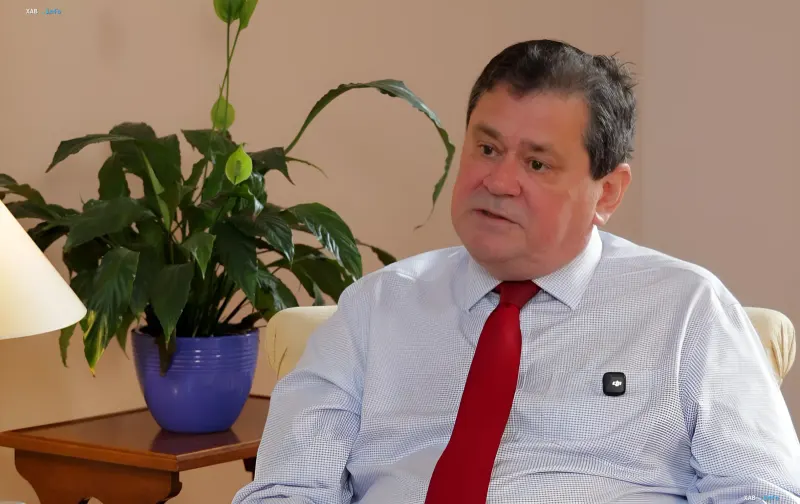
Amid the geopolitical turbulence of 2026, the change of government in the United Kingdom has become a subject of close attention in Kyiv. Last month, Andy Burnham replaced Keir Starmer as Prime Minister, raising natural questions about a possible correction in foreign policy. However, according to an interview with the UK Ambassador to Ukraine, Neil Crompton, for RBK-Ukraine, the strategic course remains unchanged. London confirms its commitment to a 100-year strategic partnership, and the key principle of the new administration has become the 'continuity' of support.
The Ambassador emphasized that the first European leader to contact the new British Prime Minister was President Volodymyr Zelenskyy. The visit of the Ukrainian leader to the UK immediately after Burnham's inauguration sent a powerful signal: 'There will be no policy changes; we are fully dedicated to supporting Ukraine.' This is confirmed at the level of relevant ministries: British ministers of defense and foreign affairs have already held working meetings with Ukrainian colleagues, including Andriy Sybiga and Minister of Defense Khmara.
Defense Partnership: From Recipient to Technology Donor
One of the key aspects of the dialogue was the change in the paradigm of cooperation in the defense sector. Ukraine has ceased to be merely a recipient of aid and has become a full-fledged partner-donor. Neil Crompton noted that the capabilities of the Ukrainian army in modern warfare have allowed Kyiv to develop a powerful industry capable of sharing its own developments with Western allies.
London is interested in creating long-term production chains. The idea is for part of the production of weapons and military equipment to be carried out on Ukrainian territory, and part in the UK. This not only strengthens Kyiv's defense capabilities but also integrates the Ukrainian defense industry into the pan-European and British defense infrastructure, creating interdependence that serves as a guarantee of security.
British Troops in Estonia: Deterrence on the Eastern Flank
Security issues on NATO's eastern flank remain critically important. Ambassador Crompton confirmed that the UK and other Alliance members face security challenges from Finland to Romania and Turkey. The main source of threat remains Russia's aggressive posture, which is viewed as a potential risk of invasion into the territory of one of the NATO countries.
British troops, particularly those stationed in Estonia, play a key role in deterrence. London is determined that these forces 'do whatever is necessary given the circumstances at the time.' This implies readiness for escalation and an active presence to defend the Alliance's borders, which indirectly but significantly affects the security of all Eastern Europe, including Ukraine.
Budgetary Debates: 3% of GDP and Risks to Projects
The question of financing remains one of the most debated. The new UK Minister of Defense, Wes Streeting, recently refused to guarantee the allocation of 3% of GDP for defense by 2030, raising concerns about joint projects. However, Ambassador Crompton attempted to reassure partners, stating that the commitment to reaching the 3% of GDP spending level exists, and the dispute is only about the timing of its implementation.
Despite this, concerns persist in the expert community that the economic situation in the UK may require a review of the pace of fulfilling commitments. Nevertheless, London's official position remains firm: support for Ukraine and strengthening NATO's defense capabilities are priorities that will not be reconsidered for the sake of budgetary savings.