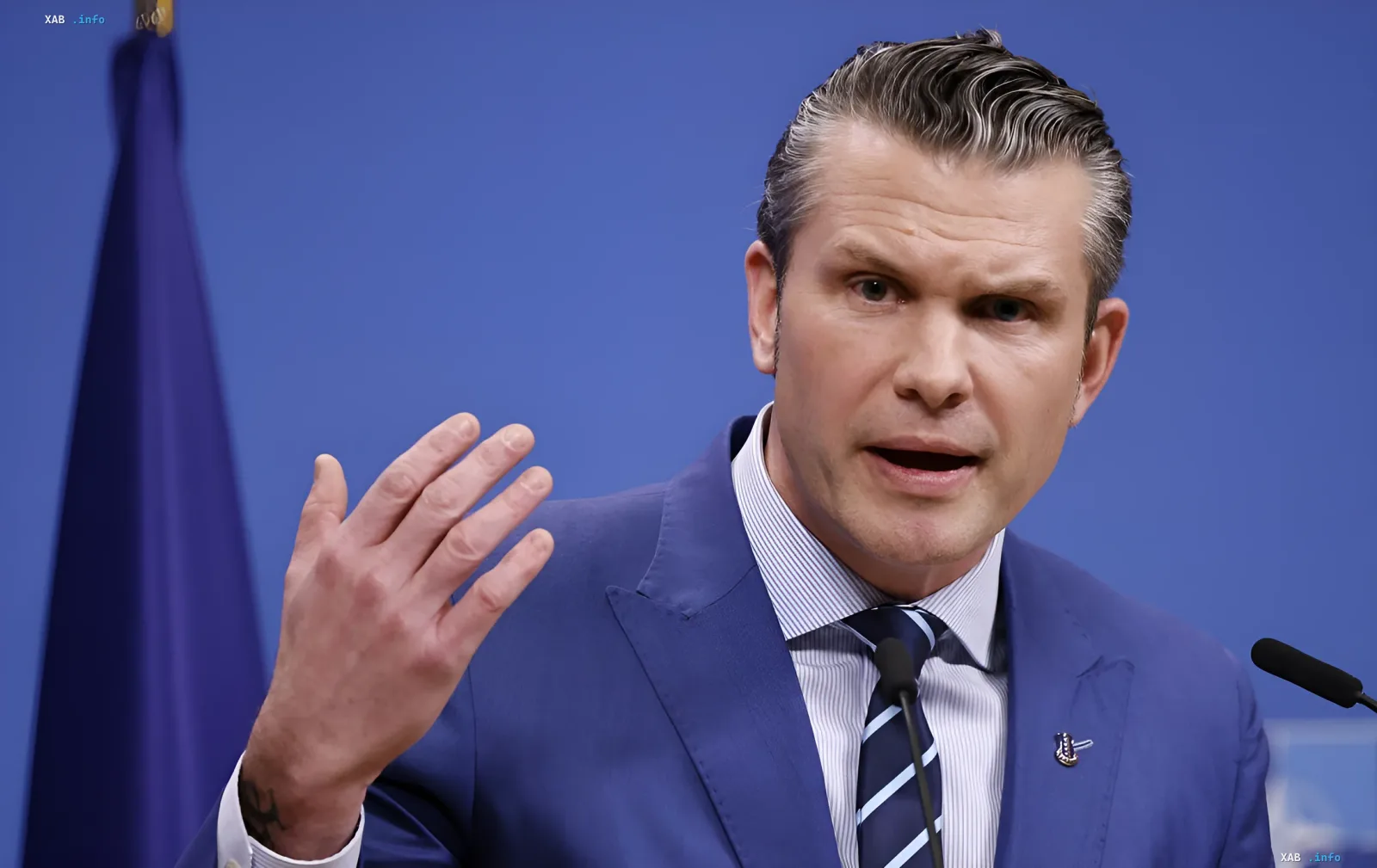
Washington has stepped up pressure on London, threatening to reconsider its position on Britain's sovereignty over the Falkland Islands if Prime Minister Andy Burnham does not increase defence spending. According to The Telegraph, this measure is part of a package of incentives being developed by Pentagon officials to ensure that allies fulfil their NATO commitment to raise defence budgets to 5% of GDP.
"Special Attention" in the Review of Commitments
A senior US official stated that Britain is likely to receive "special attention" during Washington's review of allies' commitments to NATO. As part of this work, it will be examined whether member states of the Alliance have reliable pathways to reaching the set target. According to the official, Britain has "enormous potential," and it is precisely for this reason that the US intends to "incentivise" London and give it the opportunity to "move significantly forward."
The Falkland Islands as a Lever
Washington's rhetoric, according to The Telegraph, has caused concern among the incumbent Prime Minister Andy Burnham and Chancellor of the Exchequer John Hill. Their first budget does not provide for allocating 3% of GDP to defence by 2030, which is markedly below both the interim and the final targets of the Alliance. Against this backdrop, the threat to reconsider the US position on the Falkland Islands is perceived in London as a serious political signal.
Contradictory Data
Sources disagree on the main motive behind the American pressure. The Telegraph and the Ukrainian outlet RBC.ua link the threat over the Falklands to the demand to raise defence spending to 5% of GDP as part of NATO commitments. At the same time, the Russian outlet "Svobodnaya Pressa" interprets the same move as a personal act of revenge by Donald Trump against London for Britain's failure, in his view, to help the US in Iran, and frames it as a demand to hand the Falkland Islands over to Argentina. Both versions agree that Washington has indeed publicly signalled a review of its position on the islands, but they differ on the explanation of the cause and on who, in substance, is the addressee of the ultimatum.
Context: the Estonian Precedent and Alliance Targets
Recall that at the 2025 NATO summit, Alliance countries agreed to increase defence spending to at least 5% of GDP by 2035. Meanwhile, in April 2026 it was reported that Estonia had already reached this figure. According to sources, the reason is that the country is preparing for possible provocations and military action by Russia, seeking to make Russia's goals "unachievable." This precedent strengthens the contrast with the British position and underscores why it is precisely London that Washington is ready to pay "special attention" to.
Thus, the dispute over the Falkland Islands is turning into an instrument of intra-Atlantic pressure: the US is using the sovereignty issue to push Britain toward more ambitious defence commitments, while in London it is argued that the current budget sets a trajectory of growth, but not at the pace demanded by Washington and its allies.