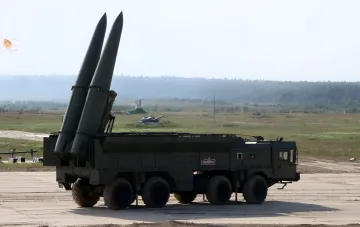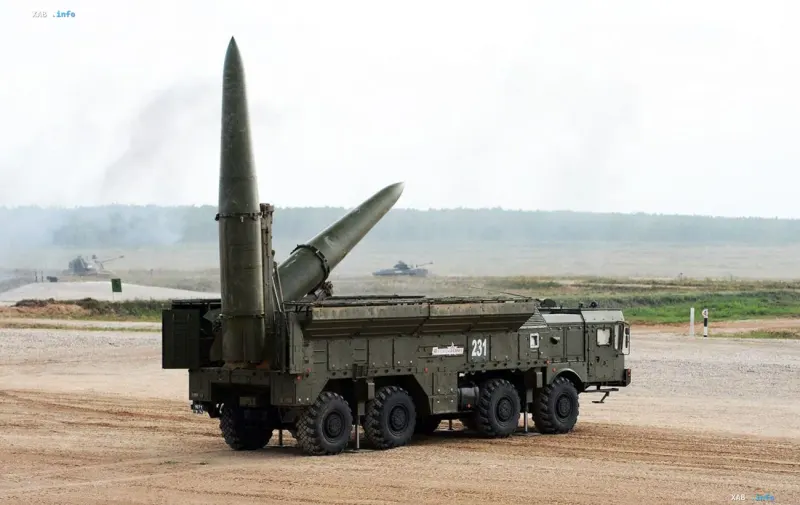
On the night of October 22, 2026, Russian forces launched a massive ballistic missile attack on Kyiv, utilizing the Iskander missile system equipped with a cluster warhead. According to authorities and official departments, the strike hit the historic center and several other districts of the capital, resulting in casualties and large-scale infrastructure destruction.
Details of the night attack and cluster munition deployment
As reported by Serhii Beskrestnov, adviser to the President of Ukraine, via his Telegram channel, the strike was carried out using an Iskander ballistic missile with a K5 cluster warhead. According to his statement, the design of this warhead involves mid-air detonation over a designated area to achieve maximum damage against personnel and equipment in the open. Ukrainian officials stated that 21 ballistic missiles were launched in three waves during the night raid.
According to updated figures from the Kyiv City Prosecutor's Office, as of 9:30 AM, one person was killed and the number of injured rose to 24 individuals, including seven minor children. The blast wave and submunitions from the cluster warhead affected residential neighborhoods and municipal objects across six different districts of Kyiv.
Scale of damage to urban infrastructure
The aftermath of the night strike was registered in six districts of the capital, with severe damage inflicted on housing stock and commercial facilities. In the Dniprovskyi district of the city, 13 private residential houses were completely destroyed. In other districts, eight multi-apartment residential buildings were damaged, along with municipal infrastructure facilities, including an ambulance station.
Additionally, large shopping centers sustained damage, specifically Retail Park, the Epicenter hypermarket, and the Auchan shopping complex near the Pochaina metro station. Destructions also affected energy facilities, the metro transport network, railway infrastructure, restaurants, an active monastery, post offices, and office premises.
Significance of the large-scale shelling and consequences for the capital region
The night attack became one of the most destructive in recent times, demonstrating a shift in the tactics of ballistic weapon deployment using cluster warheads within a densely built metropolitan area. Large-scale damage to energy and transport hubs places a severe burden on utility services and urban infrastructure, forcing authorities to urgently eliminate the consequences of the strikes and restore the capital's lifeline systems. Further developments will depend on the stability of air defense operations and the pace of repair and restoration work at damaged sites.