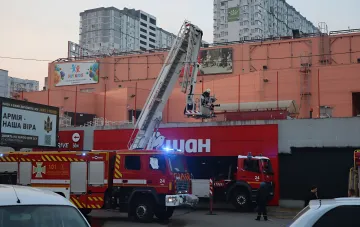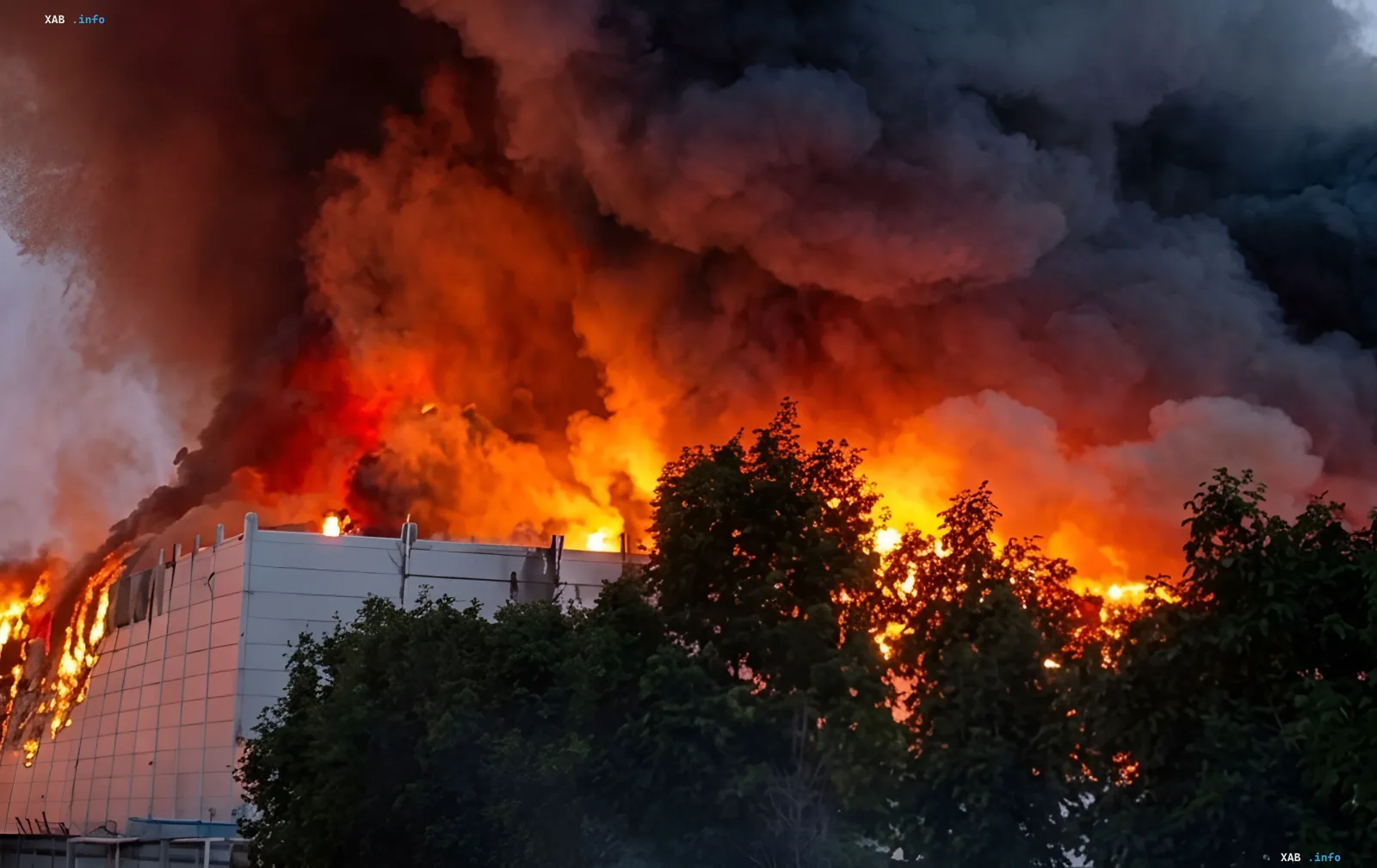
On the night of 31 August 2026, Russian forces carried out yet another strike on the warehouse facilities of the VARUS supermarket chain in Kyiv Oblast. This was reported by RBC-Ukraine, citing an official statement from the chain itself. VARUS confirmed that the attack affected the company's warehouse facilities, but stressed the most important point: "The most important thing is that everyone is alive, none of our employees were injured." Nevertheless, according to the company, the damage from the strike was substantial: a significant portion of the goods stored in the warehouse was damaged or completely destroyed by fire.
Impact on consumers and logistics
Within the first hours after the attack, the VARUS chain issued an address to its customers, warning of possible negative consequences for retail sales. The company noted that due to the warehouse damage, there may be delays in the supply of certain product lines, and some items may temporarily disappear from store shelves. At the same time, VARUS assured that its logistics units are already operating in a heightened state of readiness to restore supply chains as quickly as possible and ensure stores have the necessary range of products. In essence, this is not the first such incident: according to UNIAN, on the night of 31 August not only VARUS warehouses but also facilities of the ATB chain were struck, indicating a deliberate strategy of attacks on the infrastructure of major retail chains.
Context of the night attack on Kyiv and the region
On the morning of 31 August, the Kyiv City Military Administration reported a fire in warehouse premises in the Desniansky district of the capital. Later, the administration clarified the details: the fire broke out in the village of Pohreby, located near Kyiv. Thus, the initial location of the incident was corrected. Kyiv Mayor Vitali Klitschko, summarizing the results of the night attack on the city and the region as a whole, reported that six people were injured as a result of the strikes, three of whom were hospitalized in city hospitals with serious injuries. These figures refer to all the consequences of the night attack on Kyiv Oblast, not exclusively to the incident involving the VARUS warehouse.
Contradictory data
Several discrepancies in the details were noted during coverage of the incident. First, the Kyiv City Military Administration initially indicated a fire in the Desniansky district of Kyiv, but later clarified that the fire's origin was in the village of Pohreby, i.e. outside the city limits. Second, in the basic VARUS statement and in RBC-Ukraine's materials, the emphasis is placed exclusively on the damage to this chain's warehouse, whereas UNIAN, in its report, states that on the night of 31 August the warehouses of the ATB chain were also struck. This means that the scale of the night attack on the logistics infrastructure of retail chains was broader than follows from the statement of a single operator. Third, while VARUS reports no injuries among its staff, Mayor Klitschko's statement about six injured people covers the entire territory of Kyiv and the region, including possible domestic and infrastructure consequences of strikes on other facilities.
What's next: recovery and systemic risk
Repeated strikes on the warehouses of major retail chains create a systemic risk for the food market of Kyiv Oblast. Even in the absence of human casualties, the destruction of stockpiles and damage to warehouse infrastructure lead to short-term supply disruptions, rising prices in certain product categories, and increased pressure on logistics. The VARUS chain, according to its own statements, has already begun recovery work, however experts note that a full return to the previous level of store range may take from several days to a week, depending on the scale of the destroyed stockpiles and the condition of the warehouse facilities. It is still unclear whether the company will tap reserve capacities or redistribute product flows from other regional warehouses.