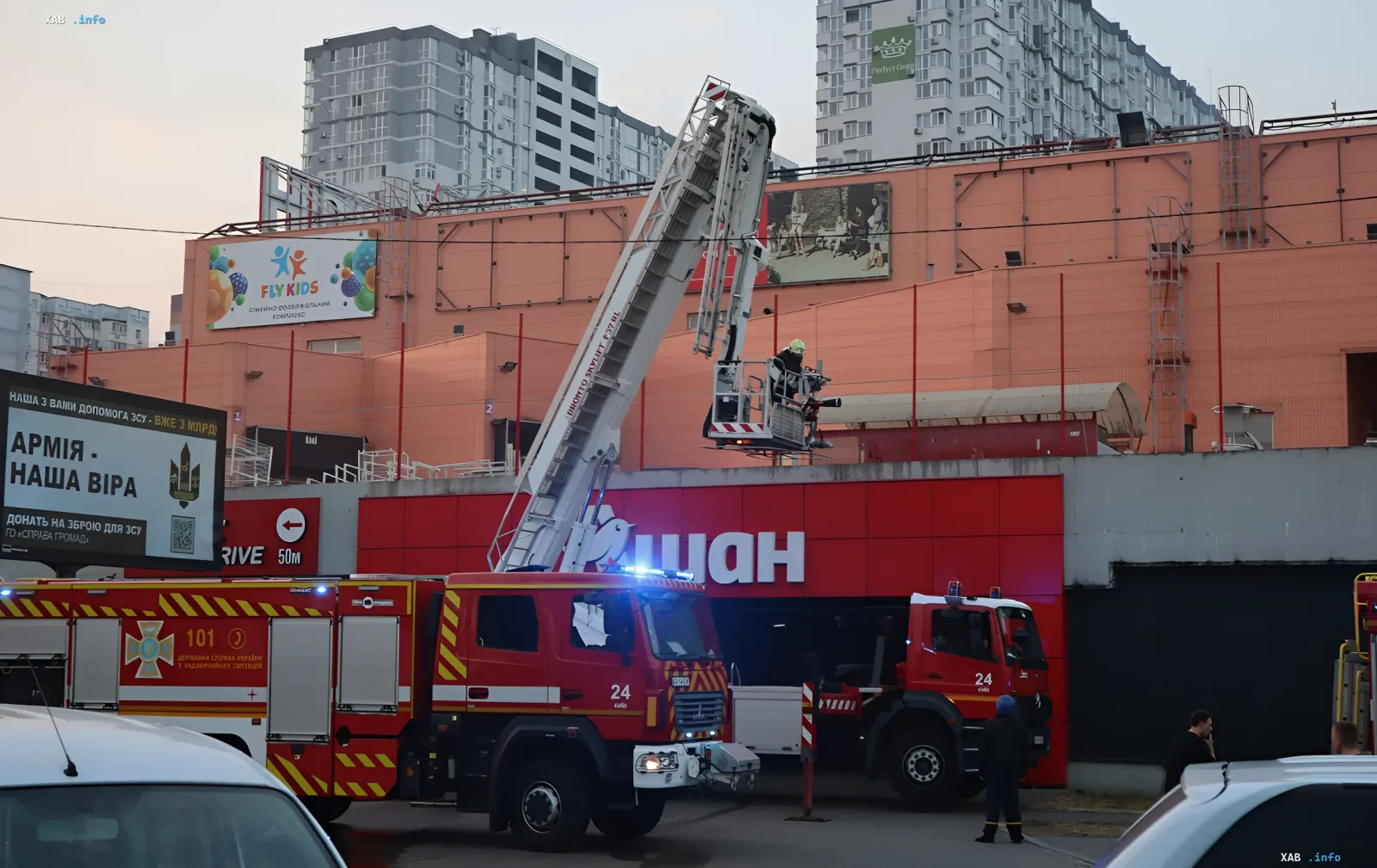
Russian forces have launched another attack on the infrastructure of the major international retail chain Auchan in Ukraine. The company's fresh food warehouse came under enemy fire and sustained serious damage as a result of a recent shelling. This information was officially confirmed by the company's press service via social media, emphasizing that the incident occurred on October 7, 2026.
Attack Details and Employee Safety
Despite the material damage inflicted on the warehouse facilities and the products stored there, company management reported the most important news: not a single employee was injured in the incident. Auchan representatives expressed sincere gratitude to their teams for their resilience, professionalism, and coordinated work under extremely difficult and dangerous wartime conditions.
Contradictory Data
It is worth noting certain discrepancies in open sources regarding the completeness of the disclosed information. In its official statement dated October 7, 2026, the company's press service deliberately chose not to disclose the exact geographical location of the damaged warehouse and the specific scale of destruction for security reasons. At the same time, independent experts and specialized media note that this is not the first attack on the retailer's logistics infrastructure recently.
Context of Systematic Retail Shelling
Recall that Auchan's logistics facilities and retail spaces in Ukraine are regularly targeted by Russian troops. For instance, on the night of September 26, 2026, a hostile attack damaged the Auchan Bilichi store located in Kyiv's Lavina Mall shopping center. In addition, a few weeks earlier, on August 30, shelling damaged the roof of another company warehouse, though logistics were successfully restored in a timely manner.
Implications for Logistics and Supply Chains
Despite regular infrastructure damage, Auchan Ukraine demonstrates a high degree of adaptability to crisis conditions. According to retailer representatives, supply processes to the chain's retail stores are being rapidly reorganized and resumed as normal, minimizing disruptions in providing the population with food and essential goods.