On the night of September 11, Russia carried out a combined aerial strike on Ukraine, using, according to the Air Force of the Armed Forces of Ukraine, the S8000 "Bandierol" ballistic missile and a swarm of 161 attack drones. This was reported by RBC-Ukraine, citing official statements from the air force. According to preliminary information, the missile was launched from the territory of Russia's Belgorod Oblast, and together with it 161 Shahed-type drones flew toward Ukraine, including jet-powered ones, as well as "Herber"-type devices and "Parodia" decoys designed to overload countermeasures.
Nature of the night strike
According to the published information, the enemy used a mixed tactic: a precision missile strike combined with a massive drone raid of various types, including jet-powered modifications and false decoy targets. It is precisely this combination that is intended to simultaneously load multiple echelons of air defense and reduce the effectiveness of its operation. Separate sources additionally reported that the trajectory of the S8000 "Bandierol" missile passed over the territory of Moldova, which underscores the range and nature of the use of this weapon.
Air defense operations and preliminary results
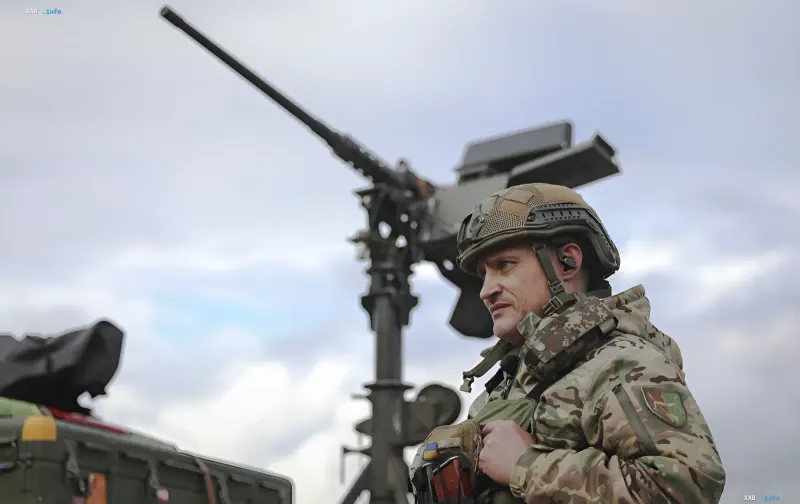
The aerial attack was repelled by the aviation, air defense missile units, electronic warfare units, unmanned systems operators, and mobile fire groups of the Defense Forces of Ukraine. According to preliminary data as of 8:00 a.m., air defense systems shot down or suppressed 138 enemy drones — "Shaheds," "Herbers," and drones of other types. At the same time, aerial attack means struck 19 locations, and in three more places debris from shot-down targets fell to the ground. The publisher emphasizes that the figures at the time of publication remain preliminary and may be clarified as the consequences are assessed.
Consequences in Kyiv
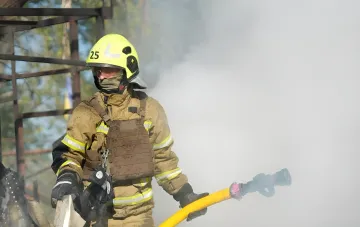
Among the consequences of the night strike is a fire in a nine-story residential building in the Dniprovskyi district of Kyiv, which broke out after a hit by an enemy drone. According to available data, eight people were injured: two suffered burns and were hospitalized, and another young woman sustained a shrapnel wound. The incident became part of a series of attacks on the capital region, which increases the load on emergency response and civil protection systems in Kyiv.
Contradictory data
There are inconsistencies in the statements of the parties and in publications by various media outlets that are important to take into account. First, the basis of the RBC-Ukraine report and a number of materials identify the missile as the S8000 "Bandierol," whereas in a publication by Gazeta.ua in the context of the same night attack, a launch of an "Iskander-M" is mentioned — that is, two different names for the missile weapon used are encountered in open sources, and final identification requires additional verification. Second, all quantitative indicators (161 drones, 138 shot down, 19 strike locations) are preliminary at the time of publication and may be revised. Third, some materials indicate that the missile entered the territory of Moldova, which is not reflected in the basic report of a launch from Belgorod Oblast and requires clarification regarding the trajectory.
Context: prior attacks
The night strike of September 11 was a continuation of a series of attacks on Kyiv Oblast. The day before, the Russians also struck the region, where a civilian train caught fire in Bucha district due to an enemy drone. Then, according to available data, 17 facilities were damaged and one person was killed. The recurring nature of the strikes on the capital region indicates a sustained enemy tactic and a persistently high load on air defense and civilian infrastructure.