Kitchen revolution: why kneading is no longer needed
In the modern fast-paced lifestyle, where every minute counts, traditional bread baking often takes a back seat due to the complexity and duration of the process. However, according to materials from the Styler project (RBC-Ukraine), published in August 2026, homemade bread can become an accessible and quick pleasure. The main secret lies in abandoning traditional mechanical dough kneading. Instead, a method is used where ingredients are simply mixed, and the bread structure is formed through long proofing and proper heat treatment.
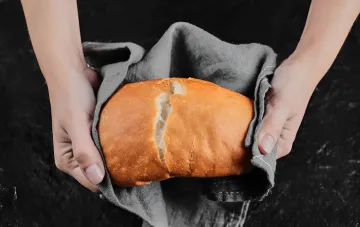
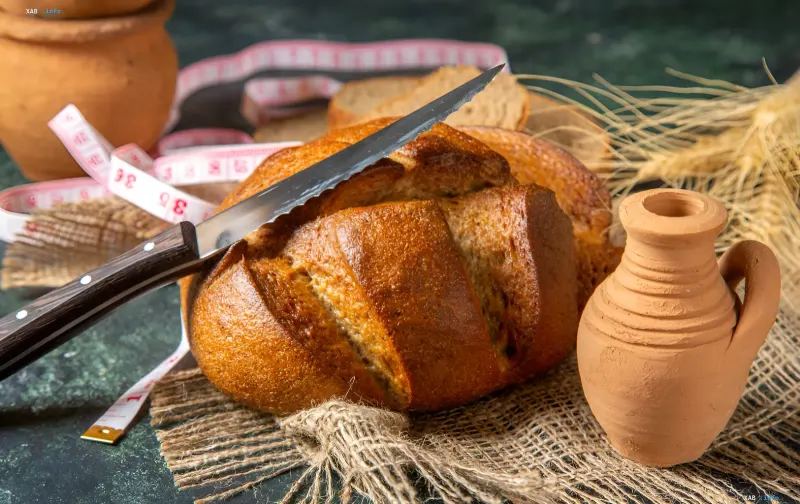
This approach allows you to achieve a result that is not inferior in taste and texture to bread baked in a professional oven. A golden, crispy crust and soft, porous crumb — all this is achieved with a simple set of ingredients: flour, water, yeast, salt, and sugar. The absence of complex kneading makes the recipe ideal for beginners and busy people who want to diversify their diet with fresh baked goods.
Cooking technology: from mixing to baking
The cooking process begins with preparing the base. In a large bowl, combine sifted flour, salt, and sugar. Add warm water and yeast to the dry ingredients. At this stage, it is important to mix the mass until it becomes a homogeneous dough, but do not knead it until smooth, as is customary in classic recipes. The resulting mixture is covered and sent to a warm place for about one hour for the first proofing.
After the first stage of rising, the dough acquires elasticity. It is carefully folded several times to form a denser blank and transferred to a mold previously greased with oil. The second proofing stage takes about one and a half hours. During this time, the blank should increase significantly in volume, which indicates that the dough is ready for baking. It is precisely this pause that allows the gluten network to form naturally, ensuring the future bread has the necessary structure.
The secret of the perfect crust: temperature regime
The key moment in obtaining bread with a crust "like from an oven" is the correct temperature regime in the oven. The ready-made blank is covered with foil and placed in an oven preheated to 240 degrees. Baking at such a high temperature for the first 30 minutes creates a steam bath effect, which contributes to the maximum rise of the dough and the formation of a dense crumb structure.
Then the foil is removed, the temperature is reduced to 200 degrees, and the bread is baked for another 10 minutes. This final stage is necessary for the crust to brown and become appetizingly crispy. The finished bread must be removed from the oven and allowed to cool slightly before slicing. This method helps avoid dryness of the crumb and retains moisture inside the loaf.
Trend context: popularity of "lazy" baking
In 2026, there is a steady trend towards simplifying culinary processes without losing product quality. No-knead bread recipes, similar to the one described in Styler, are gaining popularity alongside other simplified techniques, such as baking in a sleeve or using a blender for kneading (as mentioned in materials from Pravda.ru and Focus.ua). This is due to consumers' desire to cook natural products at home, avoiding industrial additives, while saving time on routine kitchen operations.
Experts note that such recipes democratize the culture of home bread baking, making it accessible to a wide audience. The ability to get fresh bread in 2 hours, without possessing the skills of a professional baker, is becoming a reality for many families. This is confirmed by the growth of discussions of such recipes on social networks and culinary blogs.