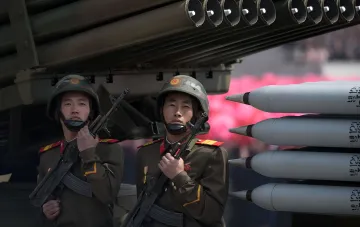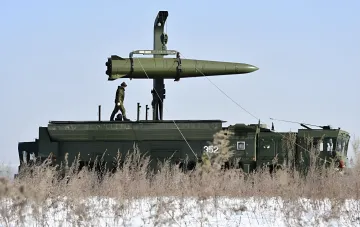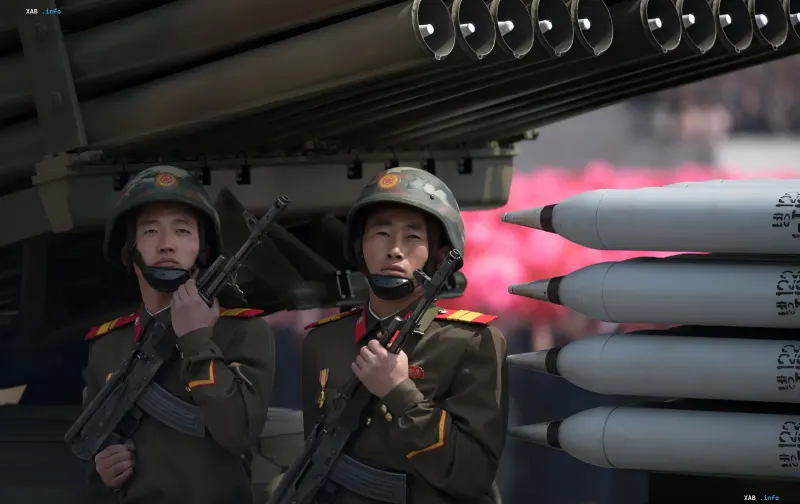
North Korea has begun actively adopting and practicing mass strike tactics similar to those actively used in modern armed conflicts, including Russia's war against Ukraine and hostilities in the Middle East. According to the authoritative American publication The Wall Street Journal, Pyongyang has launched large-scale tests of new combat combinations that integrate modern unmanned aerial vehicles with traditional types of weapons.
Pyongyang's New Maneuvers and Hybrid Threats
This month, North Korean armed forces conducted comprehensive exercises for the first time, involving the simultaneous deployment of strike drones, nuclear-capable ballistic missiles, multiple rocket launchers, and long-range artillery to destroy designated targets. State media emphasized that such drills are designed to hone synergy and seamless interaction among various military systems through concentrated mass fire.
Hypersonic Weapon Tests and Arsenal Modernization
Furthermore, on September 20, Pyongyang officially announced the successful launch of a pair of advanced hypersonic missiles capable of reaching speeds at least five times the speed of sound. Such weapons possess high maneuverability and can overcome modern multi-layered air defense systems. North Korean leader Kim Jong Un personally observed these tests, calling the new missiles a manifestation of cutting-edge technology. Concurrently, the North Korean military-industrial complex is upgrading Soviet-era artillery systems by introducing unmanned precision guidance.
Expert Assessments and Geopolitical Context
According to military analysts at The Wall Street Journal, such a transformation in combat tactics could seriously complicate tasks for the air defense systems of the United States and its regional allies, such as South Korea and Japan. The deepening of military-technical cooperation with Moscow, including the supply of North Korean ballistic missiles for the Russian army's needs in Ukraine, additionally encourages Pyongyang to practically rethink and modernize its own arsenal.