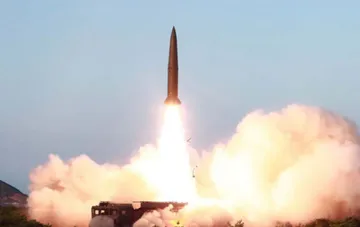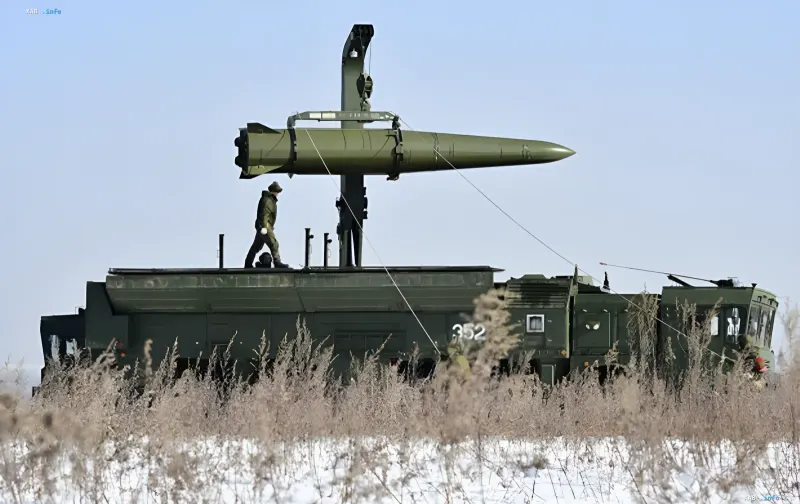
On August 12, 2026, against the backdrop of the ongoing conflict, the Russian armed forces demonstrated a significant change in the tactics of using ballistic missiles. According to the latest report by the Institute for the Study of War (ISW), Moscow has abandoned mass salvos of North Korean KN-23 missiles in favor of single launches. This shift, recorded by analysts, indicates a transition from a mass suppression tactic to a more targeted and experimental strategy for using weapons supplied by Pyongyang.
Experimental phase and accuracy issues
ISW analysts believe that the shift to single launches is driven by the need to test the missiles and improve their accuracy. Previous batches of KN-23 ballistic missiles supplied by North Korea showed low effectiveness in combat conditions. Consequently, Russia is likely conducting joint work with Pyongyang to refine the munitions. Single launches allow for the collection of data on flight and destructive capability without the risk of losing an entire salvo, which is critical when dealing with weapons whose reliability is questionable.
Chronology of KN-23 use in 2026
On the night of August 11-12, 2026, Russian forces struck Zaporizhzhia, during which a KN-23 missile was used. This was the second recorded instance of using this type of weapon in the last month. The first such incident occurred on the night of July 29-30, when a KN-23 missile was launched at the Dnipropetrovsk region. Notably, prior to July 2026, since the summer of 2025, the use of North Korean ballistics was not recorded, indicating a pause in deliveries or the establishment of logistics.
Strategic economy and arsenal expansion
Introducing North Korean missiles into the combat order allows Russia to save its own scarce means of destruction. In particular, this makes it possible to reduce the load on complexes with hypersonic "Zircon" missiles and S-400 air defense systems, which are used for their intended purpose. According to Ukrainian officials, Pyongyang has transferred at least 40 KN-23 missiles to Moscow. Despite having such a stockpile, Russia uses them extremely sparingly, which confirms the version of the test nature of their use.
Consequences of attacks and Kyiv's position
The night attack on August 11 on Zaporizhzhia, which involved KN-23 missiles, "Zircon"s, and cruise aviation bombs, resulted in the death of six civilians and injuries to 19 people. Ukrainian President Volodymyr Zelenskyy, commenting on the situation, noted that the military cooperation between Moscow and Pyongyang continues to expand. According to him, participation in the conflict allows North Korea to gain invaluable combat experience and improve its own developments, which in the long term makes their weaponry more dangerous.
Contradictory data
There are discrepancies in assessments of the scale and objectives of the use of North Korean weapons. On the one hand, ISW analysts and Ukrainian officials insist that Russia is using KN-23 missiles in a targeted manner due to their low accuracy and for conducting tests. On the other hand, sources such as Reuters (cited by RFI) report the deployment of full-fledged units equipped with North Korean missiles in Russia, which may indicate preparation for more extensive use of weapons in the future. So far, the actual statistics of launches (isolated cases) support the version of cautious testing, however, the presence of specialized units may indicate plans to change tactics towards mass use.