Norwegian Prime Minister Jonas Gahr Støre has denied media reports claiming that Russian leader Vladimir Putin delivered historical lectures to him and Finnish President Alexander Stubb during a recent phone call. According to the Norwegian prime minister, the information was misinterpreted, prompting official Oslo to request corrections from the British newspaper Financial Times.
Details of the Leaders' Phone Call
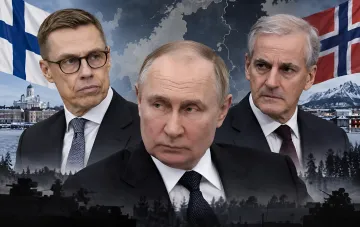
The telephone contact between the Kremlin leader, the Norwegian prime minister, and the Finnish president took place on Tuesday, October 27, 2026. Scandinavian leaders initiated the conversation to explore potential opportunities for de-escalation, including a settlement of the conflict in Ukraine, and to establish a stable European communication channel. However, shortly after the call concluded, the British newspaper Financial Times, citing three sources, reported that Putin had allegedly devoted almost the entire conversation to a discourse on medieval Slavic history.
Position of the Norwegian Prime Minister
Speaking on TV 2, Jonas Gahr Støre categorically rejected the British journalists' version, calling it untrue. He explained that the Russian president did indeed outline his version of events spanning from 2014 to the present, but there were no lectures on Slavs. Støre also denied claims that Moscow seized the initiative and dominated the conversation time, noting that the hour-and-a-half talk with an interpreter was distributed fairly evenly between the parties.
Reaction of the Financial Times Editorial Board
In response to the official request and demands from the Norwegian side, representatives of the Financial Times stated that the publication has no intention of making adjustments to the published material. The newspaper's press service emphasized in a comment to VG that the editorial board firmly stands by its journalism principles. Amid these events, the Norwegian prime minister had previously faced criticism from Western allies for holding these talks, but explained that the initiative aimed to find ways to end hostilities.
Significance of the Incident in the Context of European Diplomacy
The dispute over the content of closed-door diplomatic talks between European leaders and Moscow demonstrates the high sensitivity of any top-level contacts. Disagreements between Oslo and the authoritative international publication highlight the complexity of the informational coverage surrounding geopolitical initiatives. Further development of such contacts will depend on the parties' readiness to find real diplomatic solutions to the Ukrainian crisis and the reaction of NATO and EU allies to any separate peace-making attempts.