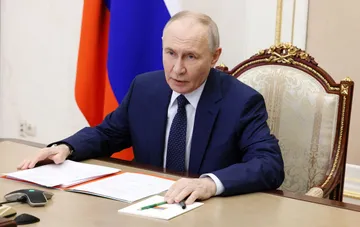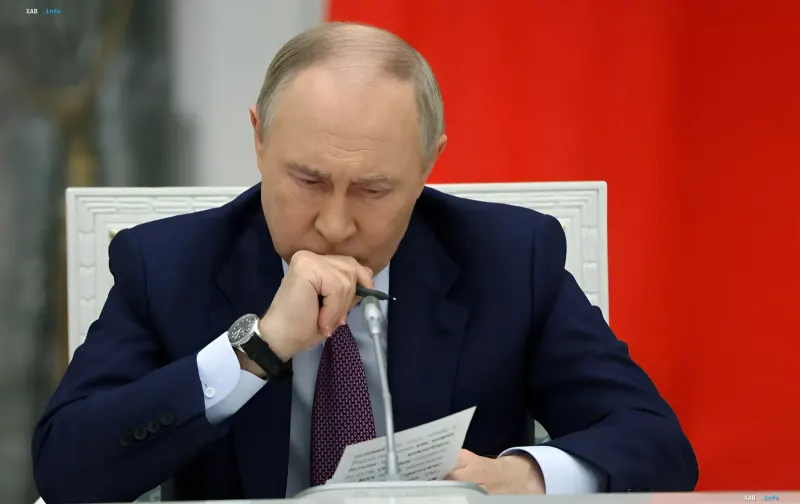
On October 31, it became known that long-standing negotiations between Russia and India regarding the introduction of a visa-free regime for organized tourist groups have effectively reached a deadlock. Alexey Klimov, Head of the Consular Department at the Russian Foreign Ministry, confirmed in a comment to TASS that both sides have suspended preparations for the corresponding agreement. Thus, the initiative that Vladimir Putin had publicly promoted for several years was not implemented.
Diplomatic Deadlock: Moscow’s Stance
According to Alexey Klimov, reaching agreements on this issue turned out to be extremely difficult. The diplomat explained that India had not previously concluded international agreements providing for visa-free travel for organized groups of citizens, which gave the document a precedent-setting nature for New Delhi. It was the lack of such a practice in Indian legislation, according to the Russian Foreign Ministry, that became the main obstacle to signing the document. The agreement, the preparation of which was suspended, was supposed to allow organized tourist groups to visit both countries without obtaining visas.
Chronology of the Initiative: From 2019 to 2026
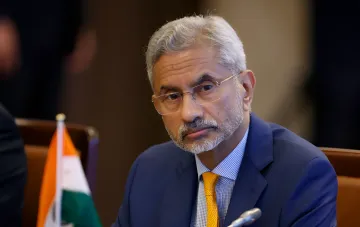
The issue of simplifying visa procedures between Moscow and New Delhi was first raised by Vladimir Putin during negotiations with Indian Prime Minister Narendra Modi in 2019. Following the outbreak of the full-scale military conflict with Ukraine, against the backdrop of rising purchases of Russian oil by India and the introduction of Western visa restrictions for Russian citizens, the Russian president publicly appealed to the Indian prime minister to completely abolish visas between the two countries. In 2023, the Russian Ministry of Economic Development proposed that the Indian side introduce a visa-free regime modeled on agreements with China and Iran. The then-head of the department, Maxim Reshetnikov, reported that the issue was being worked out through diplomatic channels. However, by October 2026, the document preparation process had been halted.
Why India Didn't Comply
The key factor preventing the conclusion of the agreement was India's legal practice. As Klimov noted, New Delhi had never previously concluded international treaties providing for visa-free entry for organized groups of tourists. This means that for India, such a regime would become a precedent requiring changes to national legislation and a revision of existing visa policy. Unlike Russia, which already applies a similar mechanism in relations with a number of Asian countries, India adheres to a more conservative approach to liberalizing entry for foreign citizens.
Broader Context: Oil, Sanctions, and Tourism
The failure of the visa-free negotiations occurs against the backdrop of a significant transformation in Russian-Indian relations. While in 2022–2023 New Delhi significantly increased its purchases of Russian oil, according to RBC-Ukraine, in the subsequent period India sharply reduced the volume of purchases of Russian hydrocarbon raw materials. At the same time, Western countries introduced a number of visa restrictions for Russian citizens, which Moscow initially viewed as an additional argument in favor of liberalizing the visa regime with “friendly” states. Nevertheless, despite Vladimir Putin's public statements about strategic partnership with India and Narendra Modi's promises to support efforts for a peaceful settlement in Ukraine, practical steps to simplify mutual travel were never implemented.
What This Means for Citizens
The suspension of the agreement's preparation means that organized tourist groups from Russia and India will still be required to obtain visas to visit each other. For the tourism industry of both countries, this preserves existing barriers that hinder the growth of mass tourism between the two largest countries in the world. In Moscow, judging by the Foreign Ministry's wording, the resumption of negotiations in the future is not ruled out, but specific deadlines or conditions for restarting the dialogue have not yet been announced.