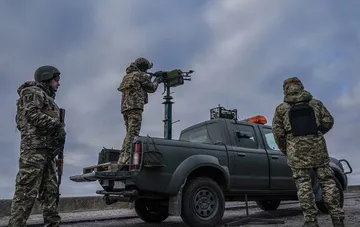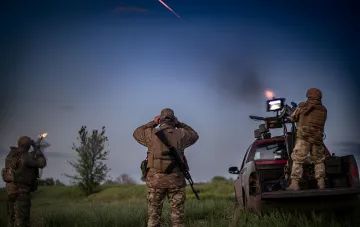
Norway continues to systematically increase its support for Ukraine's air defense, helping Kyiv intercept Russian strike drones and other aerial targets. This was reported on November 4, 2026, by RBC-Ukraine, citing the press service of the Ministry of Defense of Ukraine. According to the agency, with financial and technological support from Norway and a number of other partner countries, Ukraine is expanding the combat capabilities of F-16 fighter jets and scaling up ground-based counter-UAV systems — primarily anti-aircraft turrets and interceptor drones.
Expanding F-16 Capabilities and Ground Air Defense
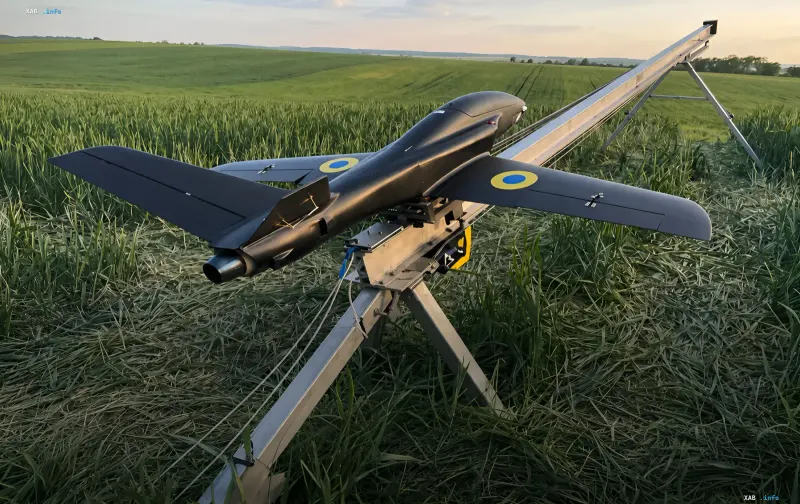
As the Ministry of Defense clarified, Norwegian assistance is aimed not only at the aviation component but also at creating a multi-layered interception system. Short-range turrets and specialized interceptor drones, similar to the one captured on the launcher rail in field conditions , are becoming a key element of short-range defense. This approach allows scarce anti-aircraft missiles to be redistributed to longer-range lines, leaving the "last line of defense" to relatively cheap and quickly replenishable assets. Norway, which has its own experience operating air defense systems in Arctic conditions, is one of the active donors in this direction.
Priorities of Defense Minister Khmara
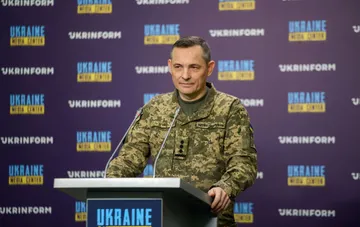
Ukrainian Defense Minister Yevhen Khmara outlined strategic priorities in his statement: "Among our priorities today is the construction of an extensive system of underground defense and logistics structures, as well as command posts. Ukrainian soldiers know what needs to be done. We need to provide them with resources, equipment, and machinery to make their work easier and more efficient." These words emphasize that Kyiv views Norwegian support not as a one-time delivery, but as part of a long-term program to strengthen rear infrastructure and the command-and-staff tier.
Partnership Vector: From Supplies to Joint Production
Khmara placed special emphasis on Ukraine's desire to develop a mutually beneficial partnership with Norway that goes beyond the classic "donor-recipient" model. Among the stated areas are the exchange of technology and military experience, as well as the creation of joint ventures. This is a logical continuation of previously announced defense initiatives: in the past, Ukraine's partners have already promised supplies of Gripen fighter jets, SCALP cruise missiles, and the conclusion of a separate "drone agreement" providing for the transition from flight crew training to the joint production of unmanned systems. Norway, whose aviation and defense industry is closely linked with European consortia, occupies a special position in this chain.
Context: Arrest of a Russian Vessel and Economic Pressure
In addition to the defense track, Norwegian-Ukrainian relations also include an economic and legal component. Earlier, a Russian vessel was arrested in Norway as part of the enforcement of an arbitration award on Naftogaz claims amounting to $4.22 billion. This precedent demonstrates that Oslo uses available legal instruments to put pressure on the Russian economy, which indirectly reinforces the overall context of supporting Kyiv. The combination of military, technological, and economic measures forms a multi-vector strategy in which Norway acts not just as a donor, but as a structural partner of the Ukrainian defense system.
What This Means for the Dynamics of the Conflict
The expansion of Ukraine's air defense through Norwegian and pan-European support changes the calculated balance in airspace: the growth of interception density at short range reduces the effectiveness of massed Shahed raids and similar UAVs, while the modernization of F-16s opens up opportunities for interception at medium and long distances. At the same time, as Kyiv emphasizes, the issue of resource provision remains key — without a continuous flow of equipment and machinery, even the most perfect doctrine cannot realize its potential. Norway, judging by recent statements, intends to be among those ensuring this flow.