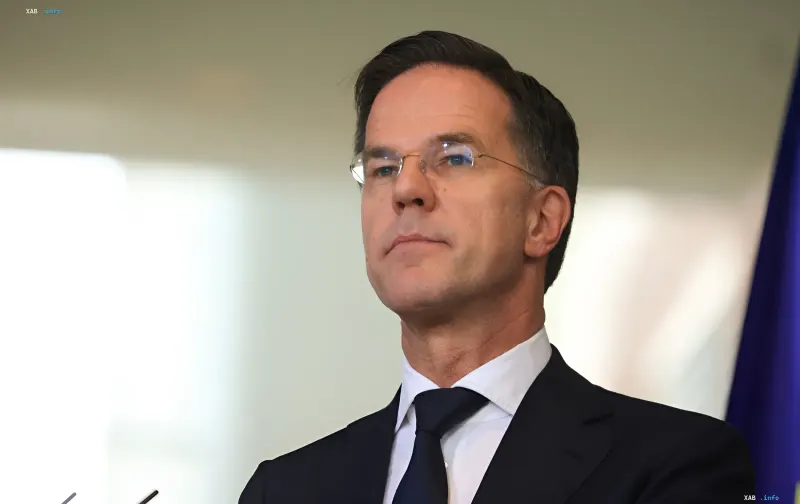
NATO Secretary General Mark Rutte made a policy statement at a press conference in Brussels, emphasizing that the North Atlantic Alliance possesses a full range of tools to resolutely respond to Moscow's hostile actions. According to him, the term "hybrid" sounds too soft to describe the aggressive "gray zone" tactics, which include cyberattacks, sabotage, and drone launches. The bloc's leadership intends to act strategically and deliberately, without limiting itself to mirror measures.
Asymmetric measures and infrastructure protection
Answering journalists' questions, the NATO Secretary General noted that the Alliance's responses will not always be public or symmetrical according to the "eye for an eye" principle. As a successful example of symmetrical intervention, he cited the Baltic Sentry operation, deployed in late 2025 following the incident involving damage to the underwater communication cable between Finland and Estonia. This mission aims to ensure the security of critical underwater infrastructure in the Baltic Sea region.
Containing the Russian shadow fleet
In parallel with collective NATO operations, individual member states—including Great Britain, Sweden, France, and Belgium—are implementing large-scale asymmetric initiatives. Their main goal is the systematic complication of the logistical operations of the Russian "shadow fleet." Such measures are designed to significantly limit the Kremlin's revenues from maritime oil transportation using aging tankers that bypass international sanctions.
The cost of the conflict and support for Ukraine
Mark Rutte emphasized the need for a balanced approach, as allies are dealing with the leadership of the Russian Federation, which has already lost about 1.2 million military personnel in the protracted confrontation. Against the backdrop of recent incidents, including Estonia's accusations against Russian intelligence services for the arson attack on the Milrem Robotics defense enterprise, as well as the successful interception of a drone over Lithuania, the Secretary General called increased aid to Kyiv the best response. The Alliance's position remains unchanged: Moscow's pressure will not force allies to curtail their support for Ukraine.