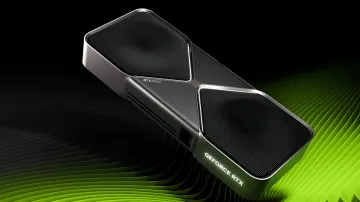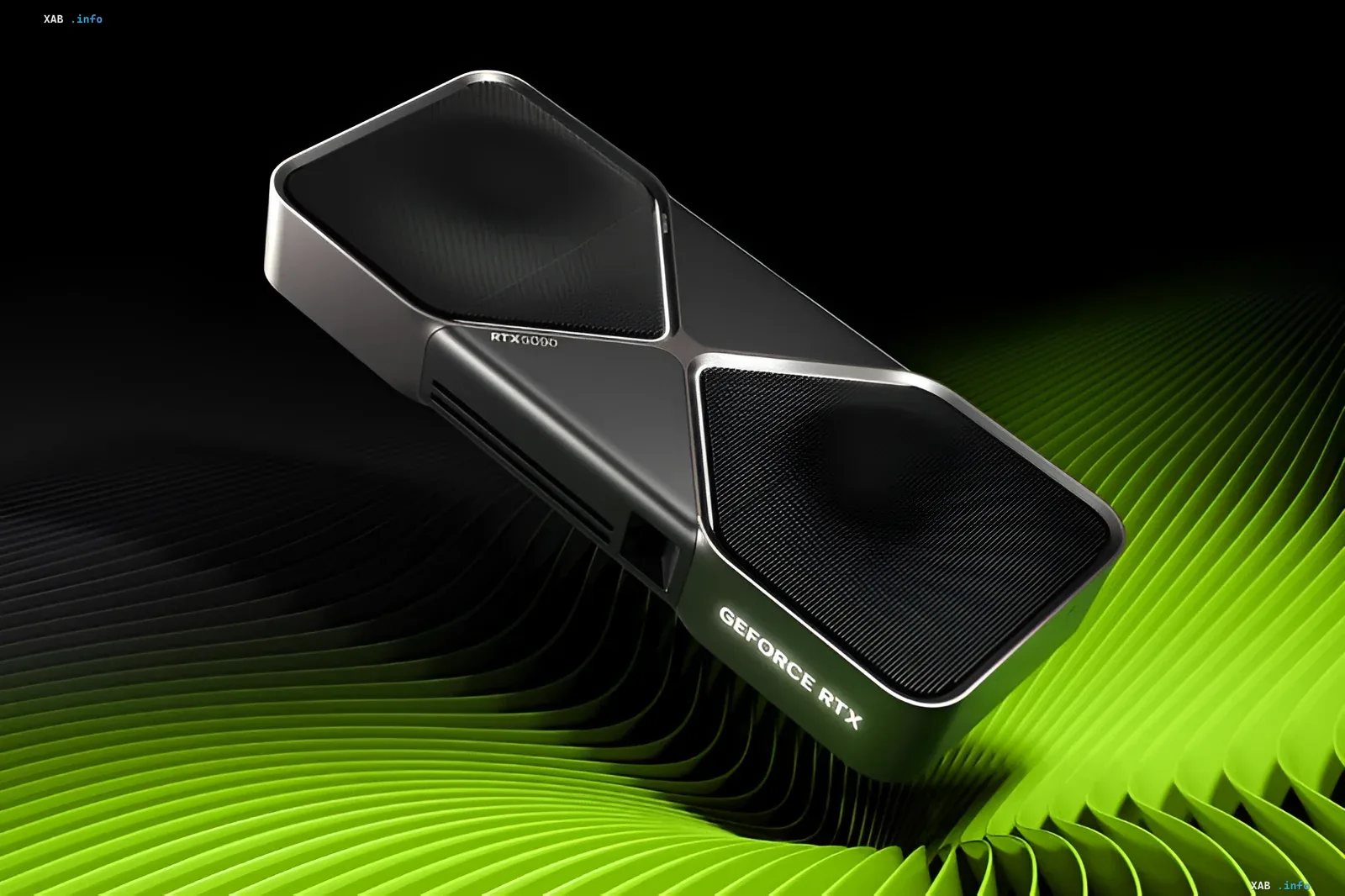
By August 2026, the situation in the Nvidia GeForce RTX 50-series graphics card market reached a critical point, where the gap between the official Manufacturer's Suggested Retail Price (MSRP) and the actual cost on store shelves became practically unimaginable. Despite the flagship RTX 5090 model still being listed at $1999 on the manufacturer's official website, finding it at that price in retail has become impossible. According to aggregators, the average price for this card has exceeded $4700, which is 135% higher than the stated price tag. Experts note that Nvidia is not making official statements about price increases, creating the effect of a "quiet" inflationary spike.
The Scale of the Price Gap in the RTX 50 Lineup
Market analysis shows that the price increase has affected not only flagships but also more affordable models. Even the most budget-friendly version of the lineup, the RTX 5060 Ti with 8 GB of memory, is trading for $429.99, which is 13% higher than the recommended $379. However, the most dramatic situation is observed with the RTX 5060 Ti (16 GB) model: its median price over the last two months has risen by 39%, reaching $804.99. This indicates that shortages and speculative demand have engulfed the entire spectrum of the company's products, not just the premium segment.
Flagship RTX 5090: From $1999 to $4700
The flagship GeForce RTX 5090 graphics card demonstrates the most shocking dynamics. If in June its median price was $4299.99, by August it reached $4699.99. Meanwhile, the cheapest available option on the market costs $4099.99 and is often out of stock. This means that the actual cost of the card was already more than double the official price in June, and now it has exceeded it by 2.3 times. Nvidia continues to advertise the product with a price tag of $1999, raising questions among consumers and analysts about pricing transparency.
QuakeCon 2026 Event: An Attempt to Regain Trust?
At the QuakeCon 2026 event, Nvidia attempted to smooth over the situation by offering Founders Edition cards (RTX 5090, 5080, and 5070) at the recommended price as part of the Verified Priority Access IRL program. However, the number of available units was strictly limited. American enthusiasts calculated that for some buyers, flying across the country to participate in the promotion and buy a card could have been cheaper than purchasing a flagship at a local store. This episode only highlighted the absurdity of the current market conjuncture.
Contradictory Data
There is a significant gap between Nvidia's official position and market reality. On the one hand, the manufacturer claims that recommended prices have remained unchanged since launch and has not announced any changes. On the other hand, Nvidia partners, such as Zotac and ASUS, are effectively raising prices on their models. For example, Zotac raised prices on the RTX 5090 by 20%, practically eliminating MSRP models from their assortment, while ASUS cancelled orders for the ROG Astral RTX 5090 following an immediate price increase of $500. This creates a situation where the "official" price exists only on paper, while the real market dictates its own terms.
Consequences for Consumers and the Market
The current situation is forming a persistent trend of inflation in PC component prices. Consumers are forced to pay two to three times more for hardware that was announced as affordable. This could lead to a cooling of interest in PC upgrades and a shift in focus to cloud solutions or consoles. Furthermore, the lack of official comments from Nvidia regarding the reasons for the price increase leaves room for speculation about chip shortages or manipulation by distributors. In any case, August 2026 will become a black mark for those who planned to build a PC based on the RTX 50-series at a reasonable price.