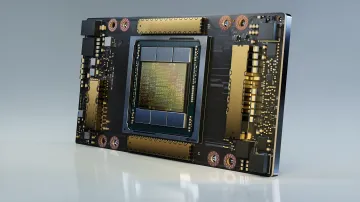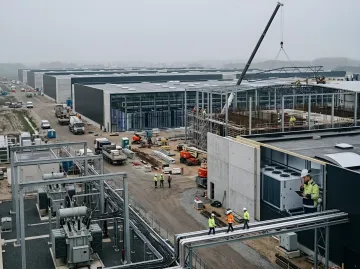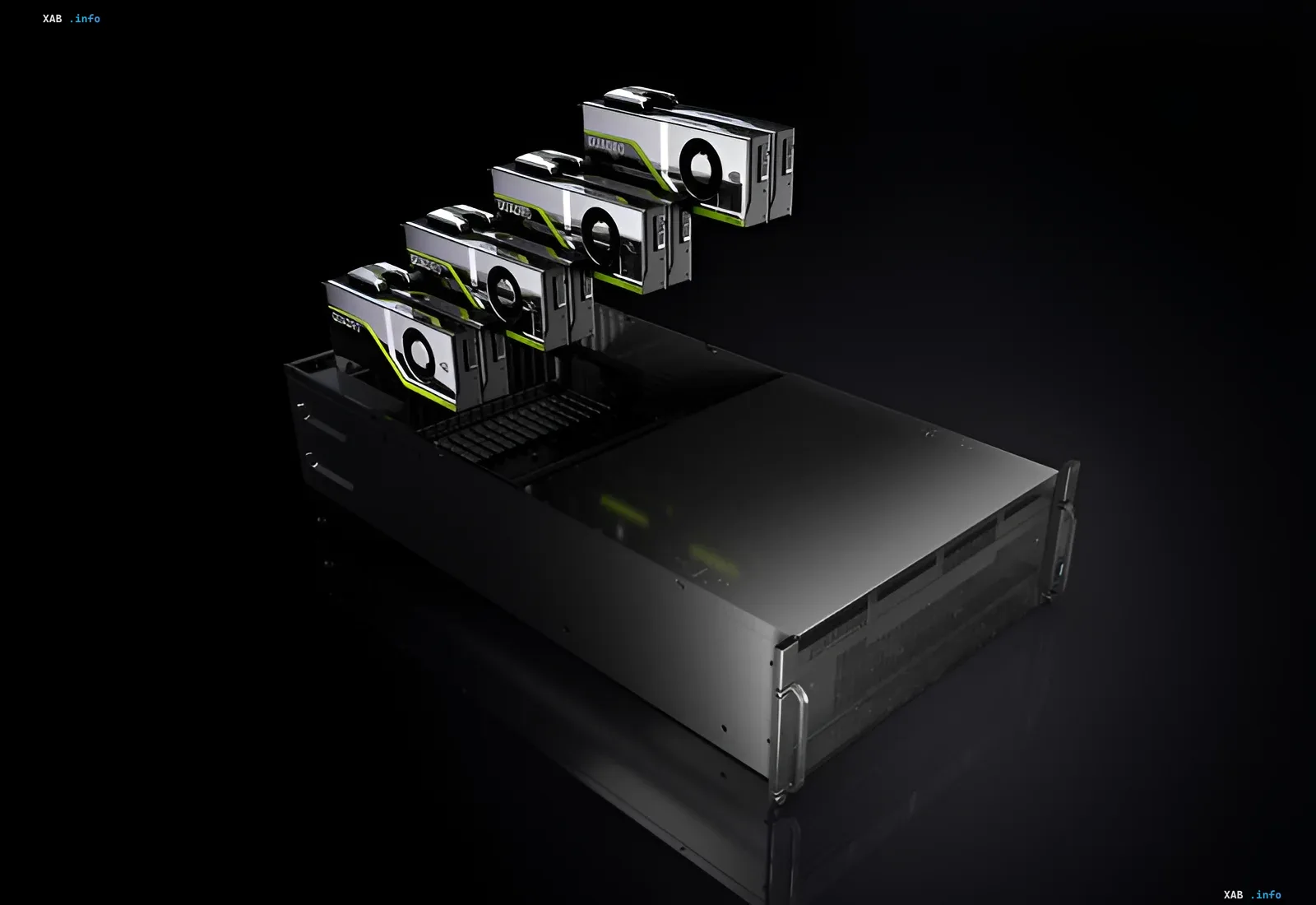
Amid an unprecedented artificial intelligence boom, Nvidia, traditionally known as a supplier of computing accelerators, is making a strategic shift into financial engineering. This week, on August 12, 2026, it was announced that a massive fund has been created, aimed at mobilizing up to $500 billion for the development of AI infrastructure worldwide. This move allows the tech giant not only to sell "hardware" but also to directly finance the construction of data centers necessary for its operation.
Alliance with Financial Titans
To realize this ambitious plan, Nvidia has joined forces with leading institutional investors. According to Reuters, memorandums of understanding have been signed with giants such as Apollo, BlackRock, Blackstone, Brookfield, Goldman Sachs, and KKR. This alliance allows for the attraction of capital necessary for projects that would previously have been inaccessible to many clients due to colossal capital expenditures. Capital expenditures for the largest US technology companies in 2026 are forecasted to exceed $760 billion, and the new fund is intended to become a catalyst for this industry.
Financing Mechanics and Nvidia's Role
The fund structure implies that Nvidia is not just an initiator but is also ready to contribute significant equity. The company may invest up to $125 billion, which amounts to up to 25% of the financing volume required for specific projects. The main goal is to provide clients with access to computing resources on attractive terms. Essentially, Nvidia takes on the role of a financial partner, helping to build "AI factories" which, according to CEO Jensen Huang, will "fuel every industry and country in the AI era".
Strategic Shift: From Supplier to Integrator
This step marks a fundamental change in Nvidia's business model. Previously, the company was already involved in circular financing schemes for various data centers (DCs) in the US, but the new fund takes this practice to a global level. Financial platforms created within the framework of the initiative allow clients to receive not just equipment, but ready-made solutions for deploying AI infrastructure. This lowers entry barriers for companies wishing to implement cutting-edge technologies and solidifies Nvidia's dominant position in the ecosystem.
Contradictory Data
While the scale of the initiative is impressive, there are disagreements within the expert community regarding the risks of such a model. On one hand, analysts note that this solution relieves the financial burden on clients and accelerates AI adoption. On the other hand, some experts point to the risk of capital and influence concentration. There is a concern that Nvidia, controlling both equipment supply and infrastructure financing, may gain excessive power over the market, dictating terms not only on chip prices but also on access to computing power. Furthermore, the exact terms of investment return and interest rates for clients are not fully disclosed, leaving room for interpretation.