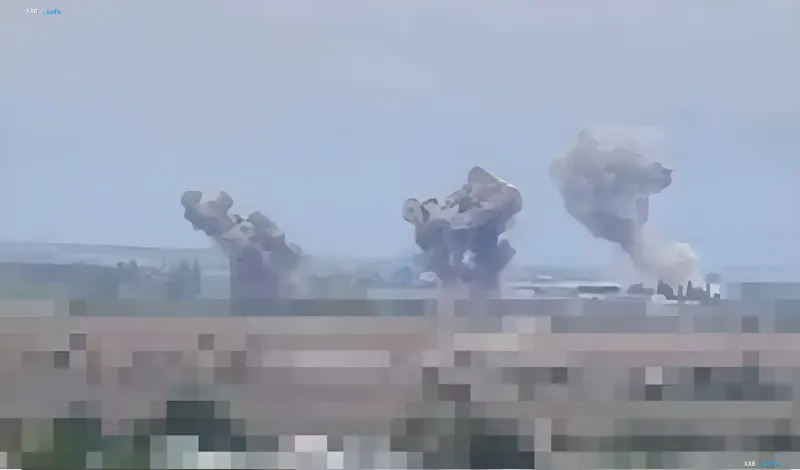
The morning of September 13, 2026, proved to be one of the most tense for Odesa and Odesa Oblast in recent times. According to local authorities and emergency response services, the combined attack began before midnight, followed by another wave around 3:00 a.m., with additional strikes hitting the region by morning. According to eyewitnesses, numerous explosions were recorded within the city limits, with columns of smoke rising over certain districts. Official agencies confirm the fact of a massive strike, but their reports are limited to a list of recorded damages.
Weapons used and strike tactics
According to available information, the strike employed a wide range of munitions: strike unmanned aerial vehicles, high-speed jet-powered UAVs, as well as guided aerial bombs. Previously, guided bombs reached Odesa's territory relatively rarely, whereas in recent weeks, according to monitoring channels and military analysts, their use has become more regular. Analysts note that the combination of various target types places additional strain on the air defense systems protecting the coast and shortens the time available to alert the population.
Impact on infrastructure and residents
According to the Odesa Regional Administration and the State Emergency Service (SES), damage to residential and non-residential buildings has been recorded. In particular, there are reports of damage to a high-rise building in the 'Manhattan' residential complex, as well as fires in industrial and warehouse buildings and in the private sector. Rescue crews are working at the scene. Due to damage to energy infrastructure facilities in the Peresyp, Khadyibey, and Primorskyi districts, emergency and planned power outages have been recorded; the schedule of electric public transport in the city has been temporarily changed. According to preliminary data, dozens of people were injured in the previous 24 hours; information on casualties from the nighttime wave is still being verified at the time of publication.
Contradictory data
There is a notable discrepancy between official reports and the accounts of local residents in assessing the scale of the events. Agencies (the Regional Military Administration, the SES, the National Police) release information in a measured, dry format, stating specific hits and the work of rescuers. At the same time, eyewitnesses and monitoring channels describe September 13 as a day of unprecedented density of fire, reporting hours-long continuous bombardment and cascading power grid outages. Exact figures on the number of launches, losses, and destruction were not definitively confirmed by either side at the time of preparing this material, so both versions are presented without a final conclusion on the actual scale.
Context and risk assessment
Military observers note that over the past two weeks the strike tactics against the Odesa agglomeration have changed: the city, a key maritime logistics hub, is being subjected to simultaneous impact from various types of weapons. In their view, this combination is aimed at overloading air defenses and creating pressure on energy and humanitarian infrastructure ahead of the heating season. Officials, for their part, are calling on residents to observe safety measures and follow alert instructions. The situation remains dynamic, and final data on the consequences will be clarified as on-site services complete their work.