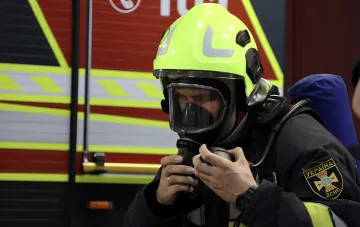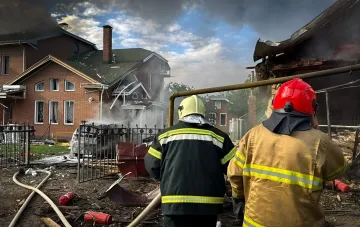


On the night of August 9, 2026, Odesa became the target of a large-scale combined attack by the Russian Armed Forces. According to Serhiy Lysak, Head of the Odesa City Military Administration, published in his Telegram channel, the enemy simultaneously employed unmanned aerial vehicles and ballistic missiles. The attack began around 03:30 and lasted for about an hour, indicating a coordinated strike aimed at overcoming the region's air defense systems.
Timeline and scale of the attack
According to official data, the first wave of drones was detected at 03:30, followed by salvos of ballistic missiles. For an hour, the city was under intense fire, triggering air defense systems and causing numerous explosions in various districts. According to Lysak, strikes were carried out from several directions, including residential areas and infrastructure facilities. Witnesses report powerful sonic booms and flashes of light characteristic of anti-aircraft systems in operation.
Consequences: casualties and destruction
As of the morning of August 9, at least six people have been confirmed injured. All received medical assistance on site or were transported to nearby hospitals. Among the injured are both residents and emergency service personnel on duty. Damage to residential buildings has also been recorded in several districts of the city, including the Central and Primorsky districts. Preliminary data indicates damage to facades, window openings, and roofs. Additionally, several cars parked near the impact zones were burned.
Response from authorities and emergency services
The City Military Administration immediately activated the emergency response plan. Firefighters, medical personnel, and rescuers arrived at the scene. Authorities urged residents to follow air raid safety rules and not approach damaged buildings. At the same time, the Odesa City Military Administration emphasizes that utility services and hospitals continue to operate normally, despite local damage.
Conflicting data
While official sources cite six injured, some local Telegram channels and eyewitnesses report a higher number of casualties—up to 10 people. There are also discrepancies in assessments of the scale of destruction: some sources claim that not only residential buildings but also infrastructure facilities, including power grids and water supplies, were damaged. However, this data has not yet been confirmed by official government representatives. Differences may be due to delays in information gathering amid ongoing threats and limited access to impact zones.
Context and strategic significance
The attack on Odesa on the night of August 9 comes against a backdrop of escalating tensions in the region. The city, a key port and logistics hub for Ukraine, is regularly subjected to strikes. The use of ballistic missiles in combination with drones indicates an evolution in the enemy's tactics, aimed at overloading air defense systems and inflicting maximum damage. Experts note that such attacks are often carried out at night to reduce the effectiveness of visual detection and increase the chances of breaching defenses.