
Global oil markets reacted with a sharp drop in prices to news of a temporary cessation of hostilities between the US and Iran. Over the weekend, both sides suspended strikes, causing a decline in futures for key crude oil benchmarks. However, despite the diplomatic pause, the restoration of shipping in strategically important straits is proceeding extremely slowly.
Sharp drop in quotes
During the trading session, Brent crude oil futures lost $5.70, falling 5.9% to $91.08 per barrel. At one point, the price even broke through the psychological mark of $90. American West Texas Intermediate (WTI) oil also showed a decline: down $4.80, or 5.4%, to $84.51 per barrel.
Experts link the collapse in quotes to expectations of a stabilization of the situation in the Persian Gulf. Investors, who previously feared supply disruptions due to the escalation of the conflict, began to take profits and revise their forecasts.
Reason for the pause: diplomacy and missile shortage
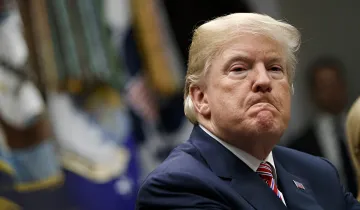
US Ambassador to the UN Mike Waltz confirmed that the decision to suspend the attack was made by President Donald Trump. According to him, this was done to create space for diplomatic negotiations.
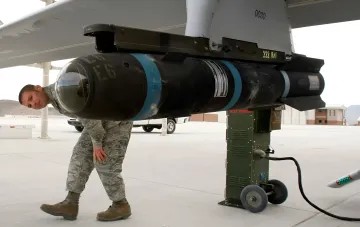
However, earlier media reports appeared that the large-scale operation against Iran was postponed due to a shortage of Patriot interceptor missiles. US military officials explained this by a shortage of air defense means, although Trump himself publicly denied any problems with ammunition.
Shipping in the Strait of Hormuz: slow recovery
Despite the pause in hostilities, logistical processes in the region are recovering with a delay. According to data from the analytics company Kpler, during the weekend, fewer than ten cargo ships passed through the Strait of Hormuz daily. This is significantly lower than normal traffic, indicating that risks to global supply chains remain.
Kyiv's reaction: Iran is already at war
Ukrainian President Volodymyr Zelenskyy stated that Iran is effectively participating in the war against Ukraine — through supplies of "Shahed" drones to Russia and the technology for their production. According to him, Kyiv is trying not to open a new front, but is ready for an escalation of threats from Tehran.
Thus, even with a temporary pause in the direct conflict between the US and Iran, geopolitical tension remains high, and its consequences continue to affect global markets and the security of sea routes.