The energy market has once again found itself at the epicenter of a geopolitical storm. On Wednesday, July 15, oil prices showed steady growth against the backdrop of escalating tensions between Washington and Tehran. The situation intensified after US President Donald Trump reimposed a naval blockade on all Iranian ports, while Iran retaliated by striking US infrastructure in the region.
Oil prices hit new highs
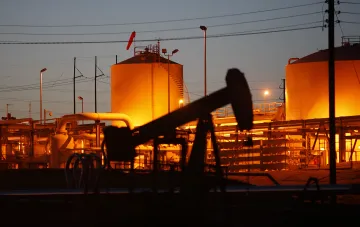
The stock market reaction was swift. Brent crude futures rose by 99 cents, or 1.2%, reaching $85.72 per barrel. West Texas Intermediate (WTI) crude also showed positive momentum, gaining 64 cents, or 0.8%, to settle at $79.98 per barrel.
This increase continues a positive trend. The previous day, July 14, oil prices closed with a 2% gain, marking the highest result in the last month. Investors are reacting to any news from the region, fearing supply disruptions.
Key threat — the Strait of Hormuz
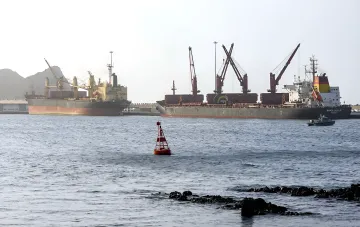
The main factor pressuring the market remains the situation around the Strait of Hormuz. Approximately one-fifth of global oil and liquefied natural gas supplies are transported through this narrow waterway at the start of the conflict. Any disruptions here are instantly reflected in the global economy.
The sharp price spike was caused by attacks exacerbating supply shortages. On the night of July 12, Iran announced the complete closure of the strait, accusing several vessels of attempting to pass via an unauthorized route. During the incident, Iranian forces attacked a container ship, provoking a series of retaliatory strikes by the US against Iranian targets.
The US Central Command (CENTCOM) officially stated that the Strait of Hormuz remains open to international shipping, although tensions persist. Specifically, reports emerged of an Iranian missile attack on two UAE tankers in the strait, resulting in the death of one crew member, with two Ukrainian citizens among the injured.
Analyst forecasts: risk or diplomacy?
Market experts are closely monitoring the unfolding events. Priyanka Sachdeva, senior market analyst at Phillip Nova, noted: "Although the physical oil market remains sufficiently supplied, any further escalation of the situation in the Strait of Hormuz or additional sanctions on Iranian exports could quickly worsen market sentiment and lead to an increase in risk premiums".
There are two scenarios for the development of events:
- Pessimistic scenario: If hostilities in the Middle East intensify and damage the energy infrastructure of the Persian Gulf, the probability of oil prices reaching $100 per barrel again remains high.
- Optimistic scenario: In the event of successful diplomatic efforts and the resumption of stable shipping through the Strait of Hormuz, the price of Brent crude could return to the $75-80 per barrel range.
Washington's political maneuver
Alongside military actions, active diplomatic maneuvering is taking place. Following negotiations with leaders of Middle Eastern countries, President Trump abandoned the idea of imposing a 20% toll for vessel passage through the strait, which he had previously proposed as compensation for security guarantees.
Instead of direct toll collection, the US decided to focus on new trade and investment agreements with Persian Gulf states. However, on July 15, the US Central Command launched a new wave of strikes against Iran and simultaneously reinstated the naval blockade of Iranian ports and coastal areas, further escalating the situation and forcing investors to revise their forecasts.