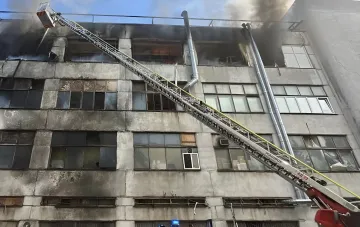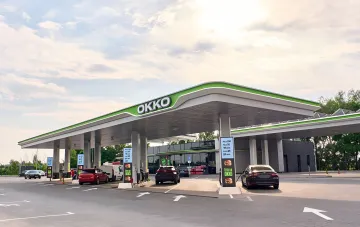
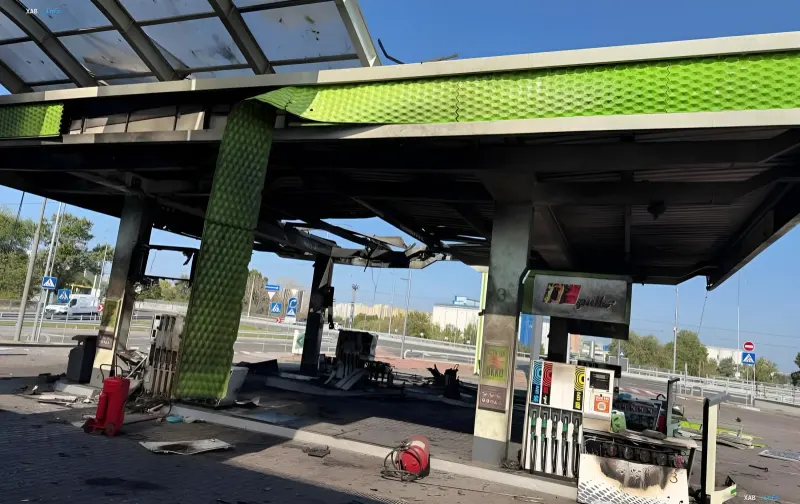
On the morning of September 28, 2026, the capital of Ukraine faced another large-scale hostile attack using reactive drones. Civilian infrastructure facilities in several districts of the city, including Obolonskyi and Shevchenkivskyi, came under fire. As a result of night and morning explosions, one of the popular OKKO gas station complexes sustained heavy damage. Thanks to the coordinated actions of the staff, a tragedy was avoided, though the incident caused a wide resonance in society and expert circles.
Prompt Staff Response and Safety Protocols
As officially reported by OKKO representatives on their social media pages, the gas station team demonstrated high preparedness and strictly followed established safety protocols. Immediately after the air raid alert system went off, employees promptly stopped all technological processes, halted fuel dispensing, and moved in an organized manner to a safe shelter. Thanks to timely evacuation, neither employees nor civilians nearby were injured, which became the top priority for the company's management.
Scale of Destruction and Work of Specialized Services
Currently, specialized experts, SES (State Emergency Service) specialists, and emergency repair crews are working at the damaged site. They are conducting a detailed technical inspection of the territory, recording structural damage, and assessing the overall condition of the filling station infrastructure. Upon completing the initial inspection, specialized services will form a final list of necessary restoration work and determine the timeframe within which the complex will be able to resume its full operations for Kyiv residents and guests of the capital.
Contradictory Data
Despite official statements from OKKO and operational reports from the city authorities regarding the localization of the strike's consequences, discussions have emerged in the media space and social networks regarding the scale of the threat to the fuel market. Some expert sources note the risk of short-term panic buying and queues at other gas stations in the city due to the psychological factor of drivers. At the same time, specialized energy associations and major market players have assured consumers that the infrastructure has a sufficient margin of safety, and logistics supply chains for petroleum products have been restructured to completely eliminate the likelihood of fuel shortages in the region.
Consequences for Infrastructure and Market
Regular attacks on the fuel infrastructure of Ukrainian cities require businesses to constantly adapt and strengthen physical protection measures. Experts emphasize that incidents of this nature do not have a critical impact on the stability of supplying regions with fuels and lubricants, but they clearly demonstrate the level of terrorist threat that the civilian population of Ukraine faces daily. The authorities continue to urge citizens to strictly follow safety rules and not ignore air raid alerts.