The OKKO fuel company is continuing its large-scale efforts to enhance the security of its infrastructure amid ongoing hostilities. As of October 2026, temporary protective structures have already been installed at more than 75 filling stations across the network, and this figure is planned to reach 120 facilities by the end of the current month. These measures are being implemented to minimize risks for personnel and customers.
Engineering Features and Safety Standards
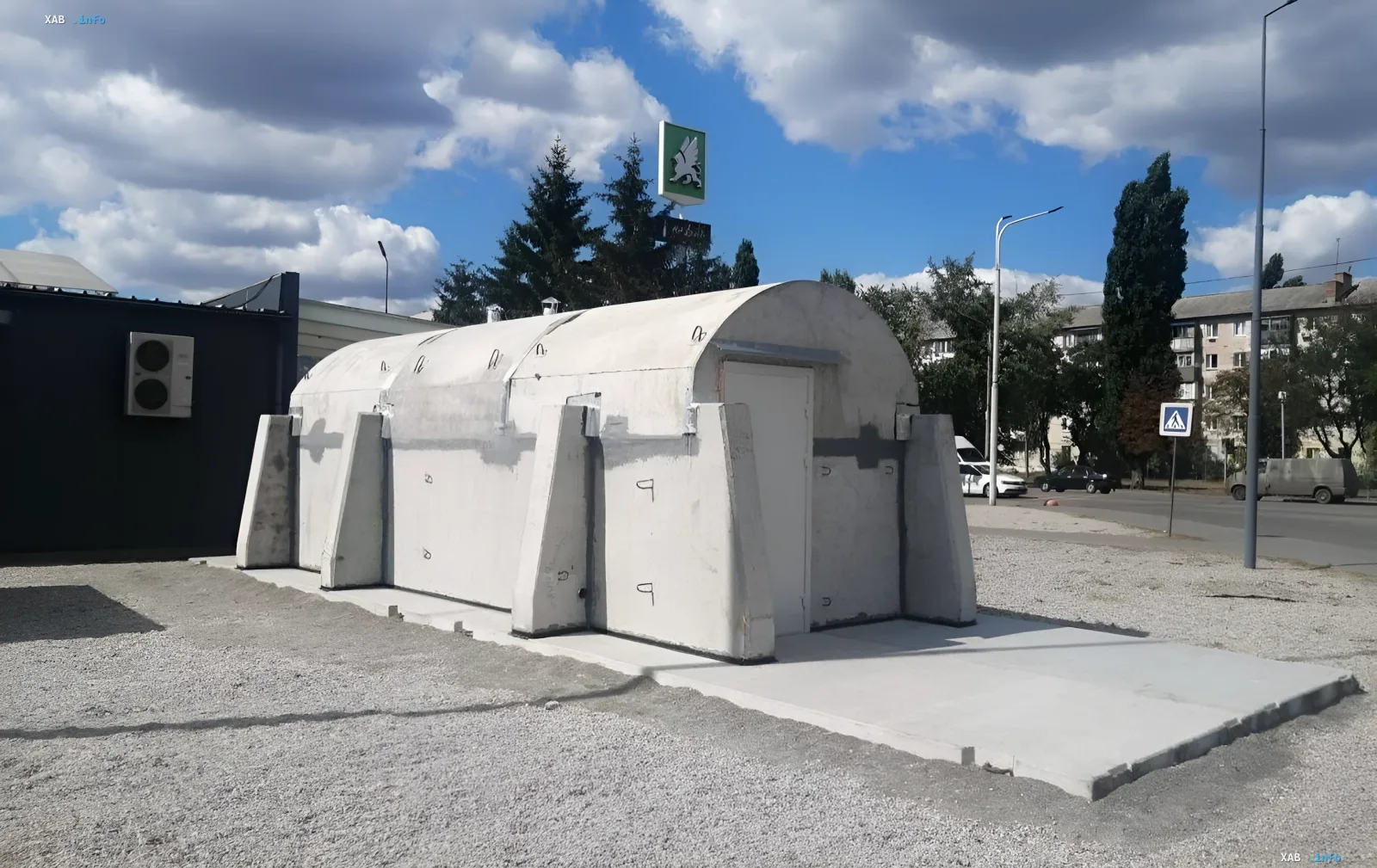
The installation of protective structures is a systematic process carried out in stages. According to OKKO's Chief Operating Officer Olena Voroshilo, the safety of people is an absolute priority for the company. The temporary structures are made of durable concrete, with a total weight reaching up to 40 tons. The wall thickness is 30 centimeters, while the structures are additionally reinforced with triple cross-reinforcement and external buttresses. All installed protective elements are certified and fully comply with current safety regulations.
Integration of Alert Systems and Comprehensive Protection
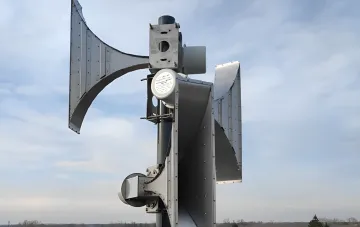
In addition to physical concrete barriers, the network is introducing advanced technological solutions. OKKO was the first among Ukrainian fuel retail companies to integrate into the Unified Threat Early Warning System. This allows for the prompt transmission of alert signals to filling stations, the instantaneous halting of work processes, and the redirection of employees and visitors to safe areas. Concurrently, anti-drone nets, protective shields for fuel dispensers, sand-filled gabions, and special armored film on windows are being installed at the stations.
Scale of Destruction and Infrastructure Restoration
The uninterrupted functioning of the fuel network is of critical importance for supplying fuel to the defense forces, critical infrastructure, medical services, volunteers, and the population. Since the beginning of the full-scale invasion, the company's losses from enemy attacks have exceeded 150 million US dollars. During this time, over 80 filling stations and more than 10 oil depots have been targeted. Despite serious damage, over 90% of the affected facilities have already resumed operations thanks to prompt repairs.