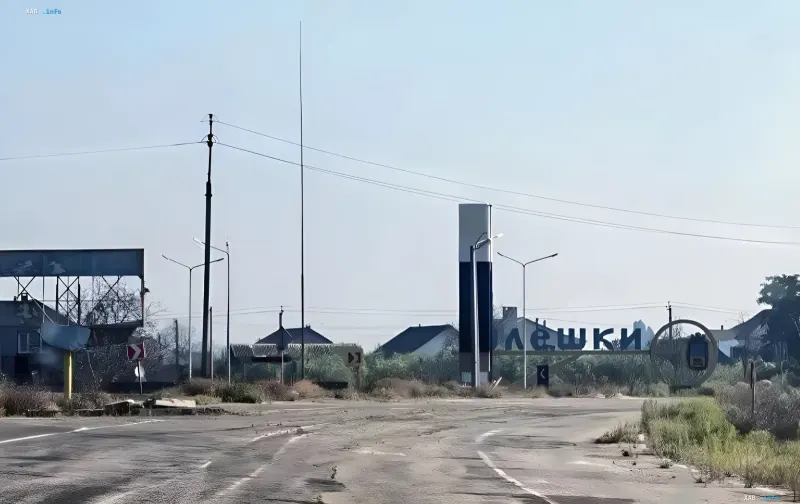
Late on October 26 and into the early hours of October 27, a ceasefire was introduced in a designated area of the temporarily occupied town of Oleshky in the Kherson region. According to Kyiv time, it took effect at 03:00, while the Russian side announced a ceasefire in the Kherson direction starting at 04:00 Moscow time. Both Ukrainian military officials and Russian representatives report that the agreements are being observed, with no reports of violations as of the morning of October 27. The silence regime has been introduced exclusively for conducting a humanitarian operation, which provides for delivering aid to civilians and preparing for residents' evacuation.
Chronology and Parameters of the Silence Regime
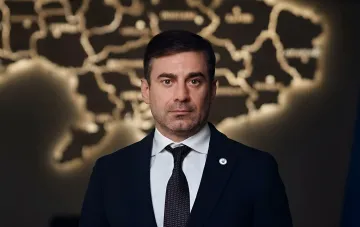
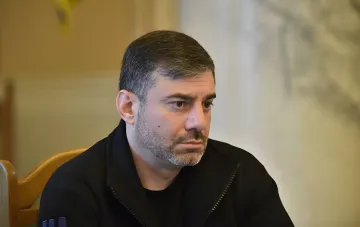
Head of the Office of the President of Ukraine Kyrylo Budanov announced the launch of the humanitarian mission and the bilateral ceasefire in the area of its implementation. Verkhovna Rada Commissioner for Human Rights Dmytro Lubinets traveled to the site and is coordinating the process. According to him, the parties are adhering to the agreements reached during negotiations, and the Ukrainian side is fulfilling its obligations. The General Staff of the Armed Forces of Ukraine emphasized that the ceasefire was introduced exclusively for a humanitarian operation and has no other character.
The Humanitarian Mission and Its Goals
The operation involves delivering food, drinking water, medicine, and medical assistance, as well as creating conditions for the organized departure of those in need. Civilian representatives from both Ukraine and Russia are working on the ground to assess residents' needs and assist with evacuation. According to coordinators, residents will be able to independently decide where they want to go—to Ukraine or to Russia—or remain in their homes. The Defense Forces of Ukraine urge people not to unverified information regarding routes, times, and locations of people and humanitarian columns, but to rely on official reports.
The Role of the US and Coordination Mechanisms
The operation is taking place under the mediation and coordination of US First Lady Melania Trump. The Ukrainian negotiating group is headed by Ombudsman Dmytro Lubinets, and the Russian group by Russian Human Rights Commissioner Yana Lantratova. Mark Beckman, Chief Advisor to the US First Lady, explained that Melania Trump became interested in the situation in Oleshky after hearing about the plight of local residents at an event on the sidelines of the UN General Assembly. To organize the talks, he said, unofficial communication channels established during previous operations to reunite Ukrainian children with families were used. The US also proposed involving the American TV channel Newsmax to cover the operation, with journalists documenting the mission through video, photo, and audio recordings.
Positions of the Parties and Security Guarantees
Kremlin Spokesman Dmitry Peskov stated that the ceasefire in Oleshky has come into force and "no reports of violations have been received yet." When asked how residents will evacuate—via Russia and Ukraine or only through Russia—he replied that all details will be provided by the military. According to Beckman, Ukraine and Russia have agreed on mechanisms for implementing the humanitarian plan, while details regarding security guarantees and responses to potential ceasefire violations have not yet been disclosed by the parties. The duration of the silence regime, the advisor noted, can be extended with the consent of both parties if more time is needed to complete humanitarian tasks.
Humanitarian Context of Oleshky
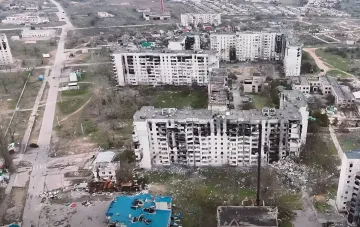
In Oleshky, which is under Russian occupation, a critical humanitarian situation has developed according to Ukrainian sources: local residents face shortages of food, drinking water, medicine, and medical assistance, as well as constant danger from hostilities. The supply of aid is complicated by mined roads and movement restrictions. Previously, the Ukrainian military delivered food to residents using drones, but this was insufficient to fully meet the population's needs. The Ukrainian side has repeatedly raised the issue of allowing humanitarian cargo and the possibility of evacuating civilians; the current mission aims to create conditions for delivering necessary aid and the organized departure of those in need.