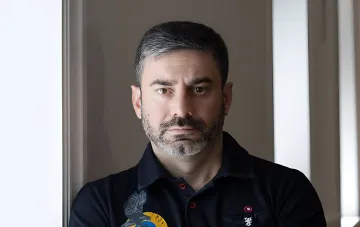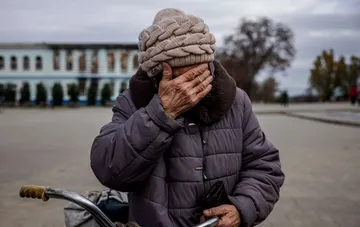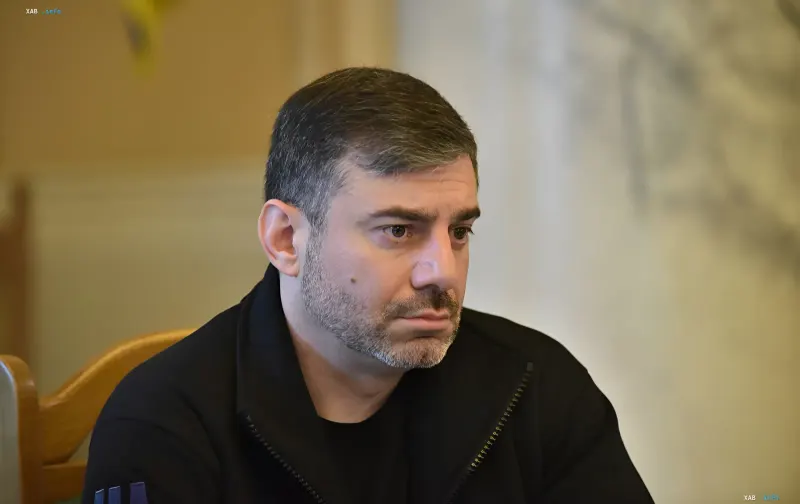
The situation in the temporarily occupied town of Oleshky, Kherson region, has reached a critical point. According to the Verkhovna Rada Commissioner for Human Rights, Dmytro Lubinets, the local population is trapped, with the daily choice boiling down to surviving hunger or risking death on minefields when trying to leave the town.
Humanitarian disaster in isolation
As of October 3, 2026, more than 6,000 civilians remain trapped in Oleshky, including about 200 children. For a long time, the town has been deprived of stable supplies of food, medicines, and drinking water. The absence of safe humanitarian corridors forces people to use improvised means—from bicycles to walking—to escape the disaster zone.
International response and Russian actions
Dmytro Lubinets has repeatedly appealed to the ICRC and UN structures to organize an evacuation, yet the Russian side continues to block any official humanitarian missions. The European Commission has also demanded that the Russian Federation provide access to the settlement. Despite this, according to available information, the occupation authorities not only prevent evacuation but also use information campaigns to try to hide the scale of the catastrophe.
Contradictory data
While official Kyiv and international observers qualify the actions of the Russian Federation as a gross violation of the Fourth Geneva Convention, Russian propaganda channels are spreading narratives about the "normalization of life" in the town. Analysts point to a clear discrepancy between data from humanitarian organizations documenting a critical shortage of basic resources and statements by occupation administrations about alleged "infrastructure reconstruction."