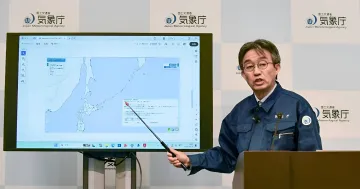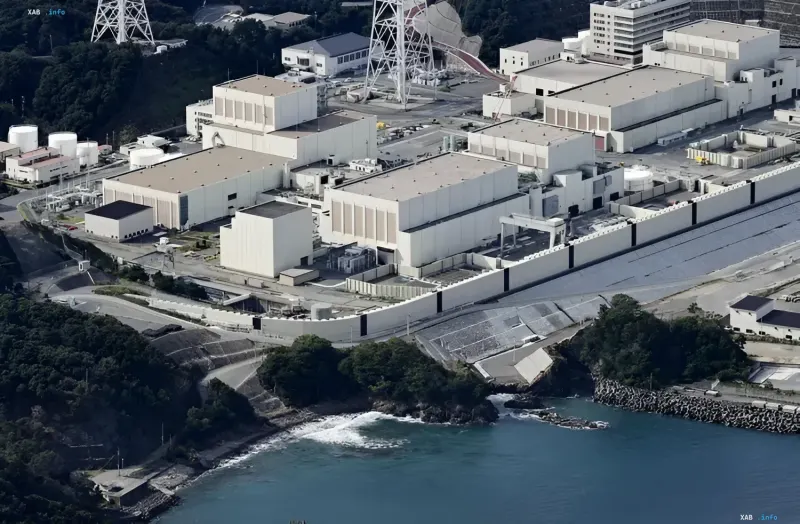
Unit 2 of the Onagawa Nuclear Power Plant in Miyagi Prefecture has been temporarily shut down due to a radioactive water leak. Tohoku Electric Power Company, the plant's operator, announced this on October 17, 2026. The reactor will be taken offline for approximately 10 days to inspect and replace malfunctioning components.
Cause of the Incident and Volume of Leakage
According to the operator, the leak was caused by a faulty valve. The estimated volume of leaked water was approximately 0.2 tons per hour. The company noted that the water level in the wastewater collection pit began rising as early as July, allowing station personnel to identify the leak and take containment measures.
Environmental Safety
Tohoku Electric Power Company stated that all leaked water was contained within the station's perimeter. The operator confirmed that no radioactive substances leaked outside the power plant's territory, and no abnormal radiation levels were detected in the environment. The incident has been classified as posing no threat to the environment.
Not the First Incident in 2026
This is not the only radioactive material incident at the Onagawa NPP this year. Earlier, in May 2026, the station had to be temporarily shut down due to a minor radioactive steam leak. The recurrent incident has once again drawn attention to equipment operation issues at Japanese nuclear facilities and compliance with safety standards.
Context: First Reactor in Eastern Japan Since 2011
Onagawa Unit 2 was restarted in October 2024, becoming the first reactor in eastern Japan to resume operations following the 2011 earthquake and tsunami. The plant was shut down after the Fukushima Daiichi accident that same year and remained inactive for more than two years prior to its restart.
Japan's Nuclear Program: Current Status
The 2011 Fukushima Daiichi accident forced the Japanese government to shut down all 54 nuclear power plants nationwide, seriously impacting energy supplies. Before the disaster, nuclear reactors provided about a third of Japan's total electricity consumption. Since then, the country has been gradually restarting its nuclear power plants in accordance with new, stricter safety standards. Currently, 14 reactors are in operation, and this number continues to grow. The Japanese government, led by Prime Minister Sanae Takaichi, supports the resumption of operations at halted reactors and is actively negotiating with local authorities on the matter.