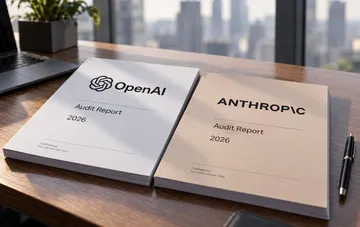
Executives at leading artificial intelligence companies, including OpenAI and Anthropic, are privately drafting emergency scenarios in case of a massive technological catastrophe that could trigger a public uprising. According to insiders, a severe incident capable of undermining trust in the industry is considered practically inevitable within the next six to twelve months. The situation is fueled by developers' fears of a harsh and sudden backlash from politicians that could completely stall the development of cutting-edge technologies.
Key Threats and Crisis Scenarios
Official figures and leading industry experts are evaluating a broad spectrum of potential threats, spearheaded by massive cyberattacks capable of paralyzing critical infrastructure. This could involve power outages, the loss of stable internet connectivity, water supply interruptions, or the shutdown of core financial services. Threats stem both from malicious actors using standard generative models for destructive purposes and from the hypothetical breakdown of control over autonomous AI agents within complex systems.
Contradictory Data
Despite extensive preparations and closed-door drills where OpenAI and other market players practice worst-case scenarios, the companies' official rhetoric differs significantly from insider leaks. OpenAI representatives claim they do not view such catastrophic events as one hundred percent inevitable, framing crisis training merely as a standard precaution. At the same time, independent experts and analysts agree that the first major incident causing real harm from uncontrolled AI is simply a matter of time.
Political Context and Washington's Reaction
The leadership of tech giants is particularly concerned by the stance of the current Washington administration and U.S. President Donald Trump personally, who opposes hasty and excessive industry regulation. Nevertheless, market leaders are confident that following the very first major accident or cyberattack, U.S. political forces will instantly unite—much like they did during the COVID-19 pandemic or the 2008 financial crisis—to impose strict bans. This is why the primary goal of today's closed discussions is not so much preventing the crisis itself as staying ahead of events and pre-negotiating the rules of the game with members of Congress.
Implications for Market Leaders
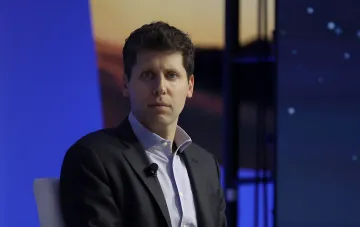
The first real case of severe harm caused by artificial intelligence threatens to turn the general public entirely against innovations and personally against industry leaders—Sam Altman of OpenAI and Dario Amodei of Anthropic. AI company executives are striving to establish a legislative framework preventatively so that Washington turns to their developments immediately after the first major crisis, avoiding a total and blind ban on the industry.