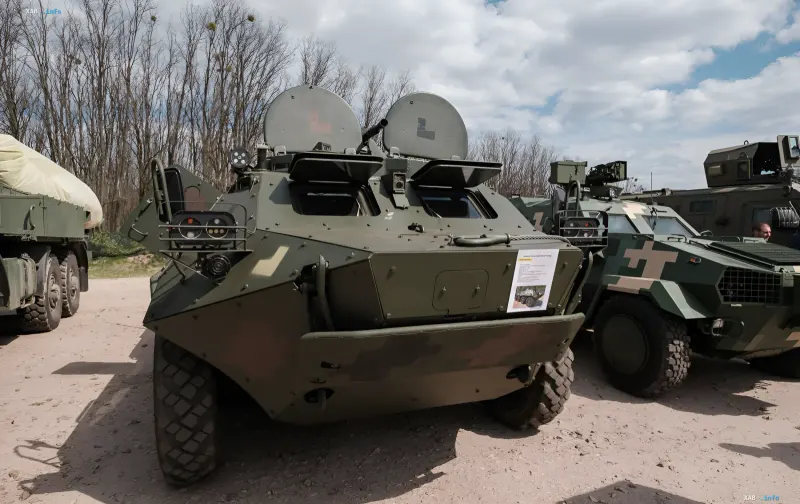
During the large-scale Vivaldi offensive operation in the north of the Donetsk region, Ukrainian forces have demonstrated an unprecedented level of technical adaptation and battlefield innovation. According to the Third Army Corps of the Armed Forces of Ukraine, military engineers and technologists have managed to convert obsolete Soviet BTR-60 armored personnel carriers into massive ground-based robotic kamikaze complexes. This solution has made it effectively possible to break through the most heavily fortified layered enemy defense lines without risking the lives of personnel.
The Essence of Operation Vivaldi and New Tactical Solutions
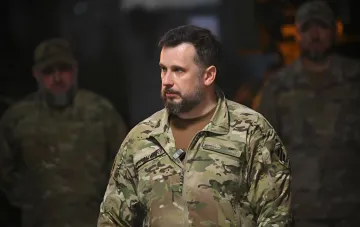
The Vivaldi offensive operation, launched in the northern frontiers of the Donetsk region in September 2026, is distinguished by the use of unconventional approaches and cutting-edge weapons. Commander of the Third Army Corps Andriy Biletsky stressed that improvised strike ground robotic complexes based on the BTR-60 were deployed to destroy the strongest enemy shelters and long-term firing points. Thanks to remote control, the heavy armored vehicles packed with explosives were able to approach Russian positions and deliver crushing blows, clearing the way for assault units.
Historical Background and Modernization of Armored Vehicles
The Soviet BTR-60 wheeled armored personnel carrier, developed in the late 1950s to replace the outdated BTR-152, has been given a second life on modern battlefields. Mass-produced from 1960 to 1987 at USSR enterprises with a production run ranging from 10,000 to 25,000 units, this armored vehicle was originally created to transport motorized infantry. However, modern warfare demanded a profound transformation of the equipment: engineers equipped the Cold War veterans with remote control systems and turned them into giant-scale kamikaze drones capable of destroying powerful concrete fortifications.
Results of the Offensive and Liberation of Territories
The deployment of heavy robotic systems is already yielding tangible results at the front. As part of Operation Vivaldi, Ukrainian units successfully ousted Russian troops from the village of Sredne, carrying out a complete clearance and taking the settlement under their control with zero casualties on their side. Furthermore, successful offensive actions have made it possible to liberate significant tracts of land exceeding the total area of Zhytomyr and create a reliable bridgehead for the further advance of defense forces in the region.
Contradictory Data
When covering the scale of deployment and technical characteristics of the converted equipment, certain discrepancies emerge in open sources. Official summaries from the Third Army Corps emphasize the successful use of BTR-60s as full-fledged kamikaze drones for destroying fortifications, while expert analytical publics also mention the use of modernized ground robots with grenade launchers operating within the same operation. In addition, historical data on the exact number of BTR-60s produced varies widely from 10,000 to 25,000 units depending on the archival databases of manufacturing plants.