The autumn of 2026 has prepared one of the most spectacular celestial shows of the year for astronomy enthusiasts — the traditional Orionid meteor shower. This stargazing event annually attracts the attention of millions of observers worldwide due to its incredible dynamics and bright trails. According to astronomers' calculations, the stream's activity this year will stretch from early October to the first days of November, covering almost a full month of observations.
When to Expect the Peak of Activity
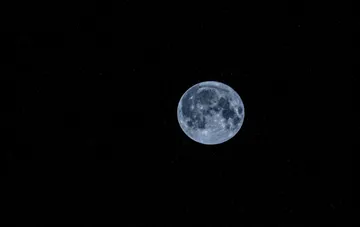
The main peak of activity for the Orionid meteor shower in 2026 will occur on the night from Wednesday to Thursday, October 21–22. According to the International Meteor Organization (IMO), under ideal suburban conditions, observers will be able to see from 10 to 20 meteors per hour. However, astronomers warn that this year the night sky will be illuminated by a bright waxing Moon, the light of which will reduce the visibility of weaker and dimmer flashes.
The Cosmic Origin of the Orionids
The amazing nature of the Orionids lies in their connection with the legendary comet 1P/Halley. Traveling along its orbit around the Sun, this famous comet leaves behind a trail of fine dust and rock debris. Twice a year, Earth's orbit crosses this cosmic trail, giving rise to the spring Eta Aquariids and the autumn Orionids. As NASA experts note, upon entering Earth's atmosphere at a colossal speed of about 66 kilometers per second, these particles burn up, forming some of the fastest and brightest meteors of the year.
Best Recommendations for Observation
To fully enjoy the Orionid meteor shower, experts recommend traveling outside major cities where urban light pollution does not interfere with viewing. The best time for observations in October 2026 comes in the pre-dawn hours when the Moon has already set below the horizon. Special equipment like telescopes or binoculars is not required — the human eye copes well with the task if given about 20–30 minutes to adapt to complete darkness.