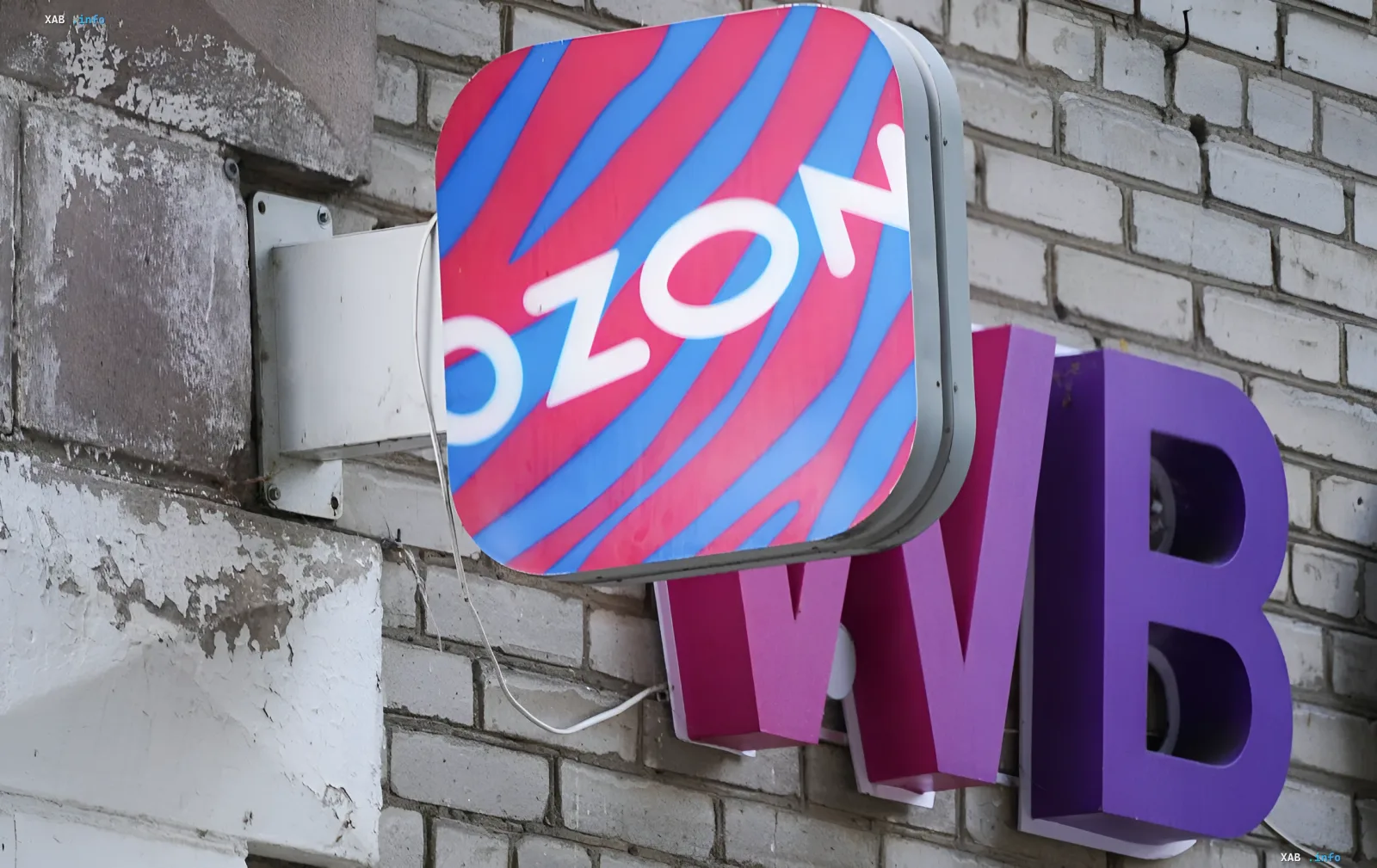
Russian marketplaces, according to Ozon's internal analytics, are turning into an infrastructure channel through which civilian buyers purchase dual-use and military goods. The publication reviewed the platform's internal data, which shows that between August 2025 and July 2026, Ozon users placed more than 2.13 million orders for dual-use and military items totaling over $292 million. Journalists identified 33 categories of such products, grouping them into four blocks: military-tactical gear, optics, weapon components and accessories, and drones.
What was bought: gear and optics
The bulk of spending was made up of military-tactical gear: body armor, armored helmets, load-bearing systems and belts, armor plates and adapters, as well as neck and shoulder protection. Over the year, Russians ordered more than 527,000 such items worth about $106.8 million. The category leader was body armor — nearly 157,700 units worth around $59.2 million, with an average ticket of roughly $377 and a price range from about $199 to over $4,200 per unit. The optics group included collimator, optical, digital, and thermal sights, their mounts and covers, night-vision devices and thermal imagers: nearly 350,000 items worth approximately $84.3 million over the year. Thus, just two categories — gear and optics — generated a combined turnover of about $191 million.
Strikes on Ozon's logistics
These figures gain particular context against the backdrop of a series of Ukrainian drone attacks on Ozon's logistics facilities, which began on August 22, 2026. According to the company, facilities in several regions of the south and the Volga region were damaged or temporarily shut down. Ukrainian media and monitoring outlets recorded fires at Ozon warehouses following nighttime UAV strikes, including in Rostov Oblast, where a DNS network warehouse was also hit, and in Bashkortostan. Some attacks resulted in casualties and injuries among civilians.
Impact on the market and hiding addresses
Against the backdrop of ongoing strikes on the infrastructure of the Wildberries and Ozon marketplaces, shares of VTB bank, linked to the retail ecosystem, fell to a historical low and for the first time dropped below par value — 49.86 rubles per share. At the same time, it became known that Ozon had removed the addresses of its Russian warehouses from the public directory at least 20 days before the first strikes, while the addresses of the company's overseas logistics centers remained freely accessible.
Contradictory data
The original text contains internal inconsistencies that are important to note. First, in one place it is stated that two categories provided "more than 191 million orders per year," whereas based on the combined figures (527,000 + 350,000 items) the figure can only amount to hundreds of thousands of orders, and 191 million — judging by the arithmetic (106.8 + 84.3) — is a sum in dollars, not a number of orders; presumably a unit substitution was made in the source. Second, the list of affected regions is named as "Samara, Orenburg, Dagestan, Adygea and Stavropol oblasts," although Dagestan and Adygea are republics, not oblasts, which indicates an imprecise wording. Finally, the scale of sales of 2.13 million items and $292 million is based on Ozon's internal analytics, which has not been independently audited, so these figures should be treated as one-sided data.