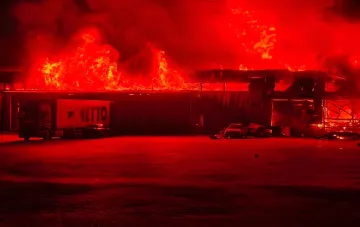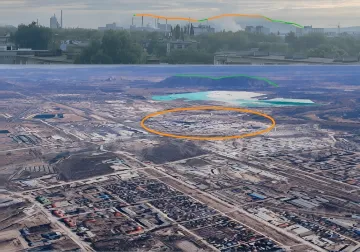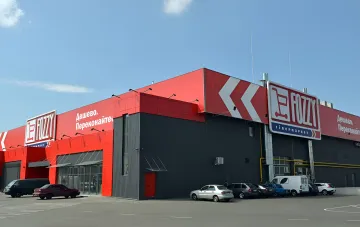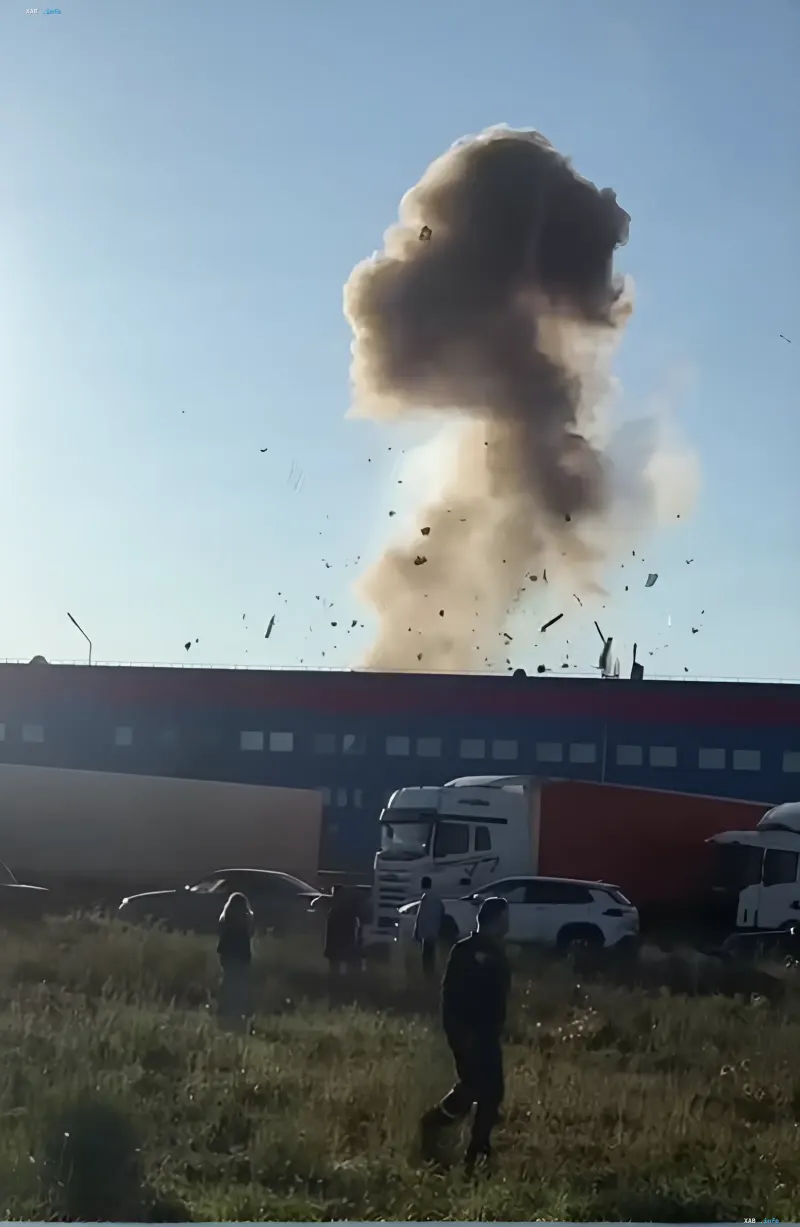
On the morning of August 23, 2026, the Ozon marketplace's logistics complex, located in the "Orenburgie" Special Economic Zone in Orenburg, came under attack by a strike unmanned aerial vehicle. Footage published by eyewitnesses captured the UAV approaching the warehouse terminal, a direct hit to the roof of the building, and the subsequent detonation with a burst of flame and a rising column of smoke. The incident marked the second strike on Ozon's distribution infrastructure in two days: the previous day, on August 22, a similar attack hit the company's fulfillment center in Chapaevsk (Samara Oblast).
Timeline and nature of the strike
According to monitoring channels, a fixed-wing strike drone, identified as the Ukrainian long-range FP-1 aircraft, was sent toward Orenburg. The footage recorded kinetic contact between the warhead and the building's structure and the formation of a characteristic mushroom-shaped column of smoke. The targeted object is a first-phase warehouse of approximately 40,000 square meters, commissioned in 2024 and serving as a key hub for distributing goods to the Urals, Western Siberia, and the border regions of Central Asia. The strike on an object located more than 1,200 km from the front line confirms the ability of unmanned systems to penetrate deeply echeloned rear zones of air defense.
Response from authorities and the EMERCOM
The Governor of Orenburg Oblast, Evgeny Solntsev, and the Mayor of Orenburg, Albert Yumadilov, reported that on-duty air defense units engaged targets over the industrial zone, and that the fire on the complex's territory resulted from the fall of fragments of a shot-down aircraft. According to their statements, the arriving EMERCOM units promptly contained and extinguished the fire; there were no fatalities or injuries among the staff. As of the time of publication, no official comments had been issued by Ukrainian authorities or the General Staff of the Ukrainian Armed Forces regarding the strike on the Orenburg facility.
Ozon's operational measures
The company's press office confirmed the emergency evacuation of more than 300 on-shift employees. The marketplace temporarily suspended the intake of new shipments from sellers to the Orenburg facility and removed the goods stored there from the platform's search results. Such measures are a standard procedure when taking a node out of the logistics chain and indicate the redistribution of flows to alternative hubs, which inevitably increases delivery times and operational costs.
Contradictory data
There is a discrepancy between the official version of the authorities and the eyewitness footage. Governor Solntsev and Mayor Yumadilov characterize the incident as the result of intercepting drones and the fall of "debris" from a shot-down aircraft. However, the published footage shows a direct kinetic approach of the drone to the building and a hit to the roof, rather than the fall of fragments from the air. Both versions agree that the fire was extinguished and that there are no victims, but the mechanism of the strike on the facility is interpreted differently, which affects the assessment of air defense effectiveness in the region.
Macroeconomic context and systemic consequences
The incident in Orenburg fits into a broader campaign against civilian and distribution infrastructure: earlier, mass attacks targeted key Wildberries hubs in the central regions, followed by Ozon warehouses in Samara Oblast and Orenburg. For marketplaces, this means rising insurance premiums, delivery delays, and the need to decentralize logistics, which collectively increases the cost per unit of goods and is passed on to the final price. Shifting pressure from the fuel and energy sector to critical nodes of e-commerce and dual-use goods distribution points to a deliberate strategy aimed at rear logistics and the consumer market.
Long-term effects
Systematic strikes on distribution centers create a persistent risk factor for the entire e-commerce supply chain in the deep rear. Expected consequences include the restructuring of the warehouse network, rising security and insurance costs, and a potential slowdown in goods turnover in the affected regions. For analysts, the key indicator will be whether the geographic expansion of the attacks continues and whether it transitions into a sustained phase affecting the macroeconomic resilience of the logistics sector.