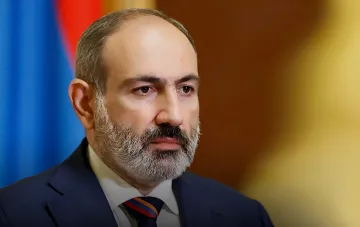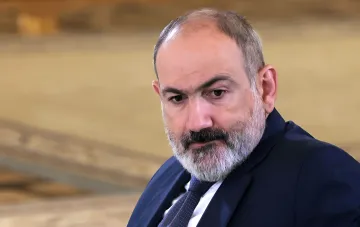
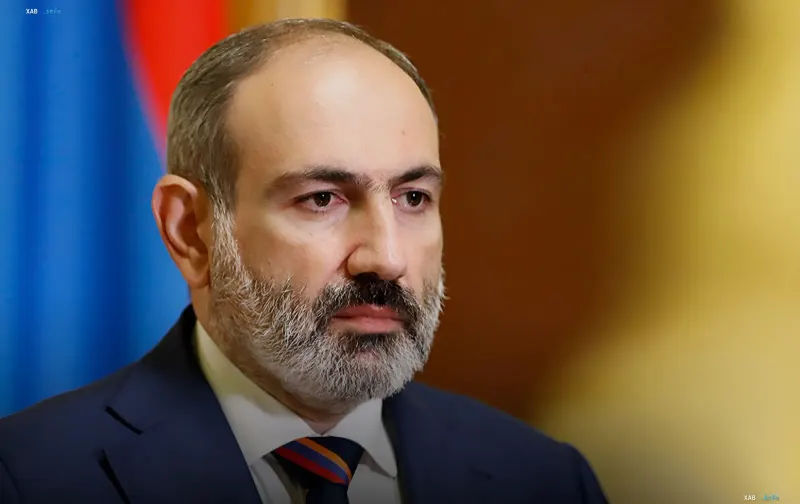
A new political season has begun in Armenia. Prime Minister Nikol Pashinyan has officially resigned along with his cabinet of ministers. This move is a direct consequence of the convening of the new parliament, as prescribed by the country's Constitution.
Constitutional Procedure
According to Pashinyan himself, the resignation statement is being prepared for signature and will be submitted to the President of Armenia. The event took place on the day of the opening of the first session of the National Assembly of the 9th convocation. Under Armenian legislation, the formation of a new parliament automatically entails the dissolution of the current government.
The further scenario of events is clearly outlined in the procedure: after accepting the resignation, the head of state is obliged to appoint a new Prime Minister. The candidate for this position is nominated by the parliamentary majority.
Who Will Head the Government?
The appointment of a new Prime Minister is expected to take place within the next few hours. The political landscape in the country is clear: in the elections on June 7, Nikol Pashinyan's party, "Civil Contract," won with a significant margin, guaranteeing itself a constitutional majority in parliament.
Given these facts, the most likely outcome is that Nikol Pashinyan will head the government again. Despite the formal resignation, political reality points to the continuation of his rule.
Election Context and External Pressure
The parliamentary elections held in June took place against a backdrop of tension. The opposition did not recognize the voting results, considering them unfair. However, the party of the incumbent Prime Minister managed to outpace its competitors by a wide margin.
It is important to note that the election campaign took place under conditions of serious external pressure. Previously, it was analyzed how the Kremlin launched a hybrid attack against Pashinyan. Measures ranged from a ban on the import of Armenian cognac and vegetables to threats of a threefold increase in gas prices. These steps were viewed as an attempt to influence the outcome of the vote and Yerevan's political course.