Armenian authorities have announced the start of the process of preparing an official application for accession to the European Union. According to an assessment by the press service of the Ukrainian Foreign Intelligence Service, as reported by RBC-Ukraine, this event is viewed as the final stage of Yerevan's strategic pivot away from Moscow toward Europe. Against this backdrop, Russia has introduced restrictions on the import of a number of Armenian goods — apricots, cherries, fish, 'Jermuk' mineral water, and cognac — however, according to intelligence data, instead of making concessions, Armenia has begun actively seeking alternative markets, while Brussels has allocated tens of millions of dollars to the country under the so-called 'Growth Plan'.
Yerevan's Pivot: From the EAEU to Brussels
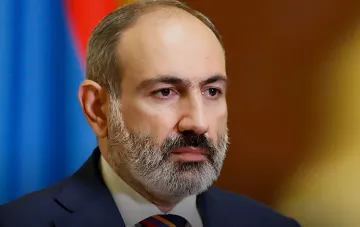
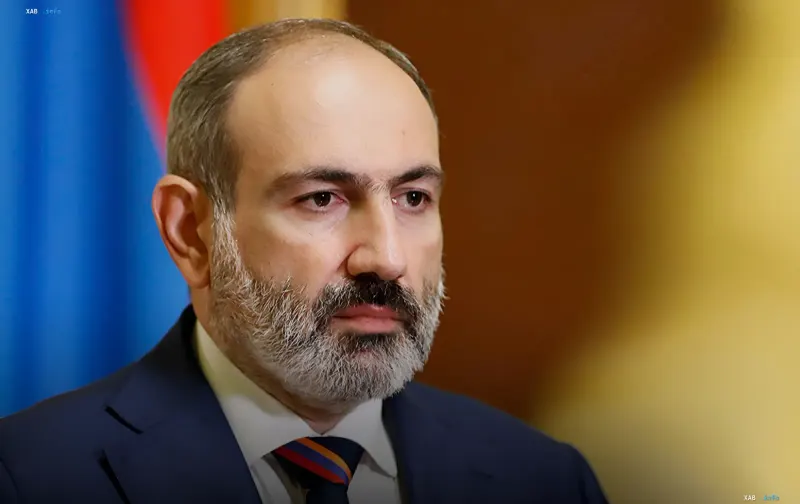
The key political signal was the government's documented course: in the approved government program of Armenia for 2026–2031, Russia is no longer mentioned as a strategic ally. As Prime Minister Nikol Pashinyan notes, the paralysis of the Eurasian Economic Union, caused by Moscow's actions, may mark the beginning of the end of the EAEU itself. The combination of steps — the peace agreement with Azerbaijan, the opening of the border with Turkey, and the move toward the EU — effectively deprives Russia of its traditional levers of influence over Yerevan.
Economic Levers and the 'Growth Plan'
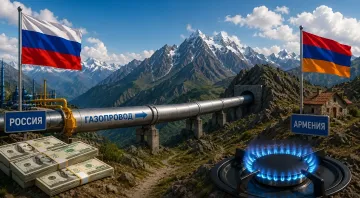
The economic dimension of the pivot manifests in two aspects. On the one hand, Moscow is applying trade restrictions against Armenian products, attempting to exert pressure. On the other — the European Union is compensating for the losses, channeling tens of millions of dollars under the 'Growth Plan' and helping Yerevan reorient its exports to new markets. Thus, according to observers, Moscow's sanctions logic is accelerating, rather than slowing, Armenia's integration into the European economic space.
The '$2 Billion Bill' Scenario
According to the Ukrainian Foreign Intelligence Service, if Moscow attempts to increase pressure by raising gas prices, Yerevan may respond with a non-standard financial instrument — issuing a bill to Russia for approximately $2 billion. According to Ukrainian intelligence, the amount is linked to the deployment of the Russian 102nd military base on Armenian territory and to the management of the Armenian railways. This scenario is positioned as a possible 'countermeasure' to gas blackmail and as a way to renegotiate the terms of the presence of Russian military assets.
Contradictory Data
Here it is important to distinguish between confirmed and estimated information. The fact of preparing the EU accession application, Russia's introduction of restrictions on Armenian goods, and the exclusion of Russia from the list of strategic allies in the 2026–2031 program are confirmed by several independent outlets. However, the specific figure of '$2 billion' and the characterization of the current step as the 'final stage of the pivot' come exclusively from statements by the Ukrainian Foreign Intelligence Service and have not been publicly confirmed by either official Yerevan or Moscow. In addition, there is a slight difference in the wording of the sources: some materials say that Armenia is 'preparing to submit' the application, while others say that the 'start of the submission process has been announced.' In other words, this refers to the preparation and announcement stage, not the actual submission of the document to Brussels.
What's Next: Referendum and Roadmap
Pashinyan clarified that a nationwide referendum on the issue of European integration will take place after the roadmap is agreed with Brussels. This means that the next public stage will depend on negotiations with the EU and on how quickly the integration plan is formed. For Moscow, according to intelligence assessments, this means a gradual loss of influence: the combination of the peace treaty with Azerbaijan, the opening of the Turkish border, and the move toward the EU effectively closes off the main channels of pressure on Armenia.