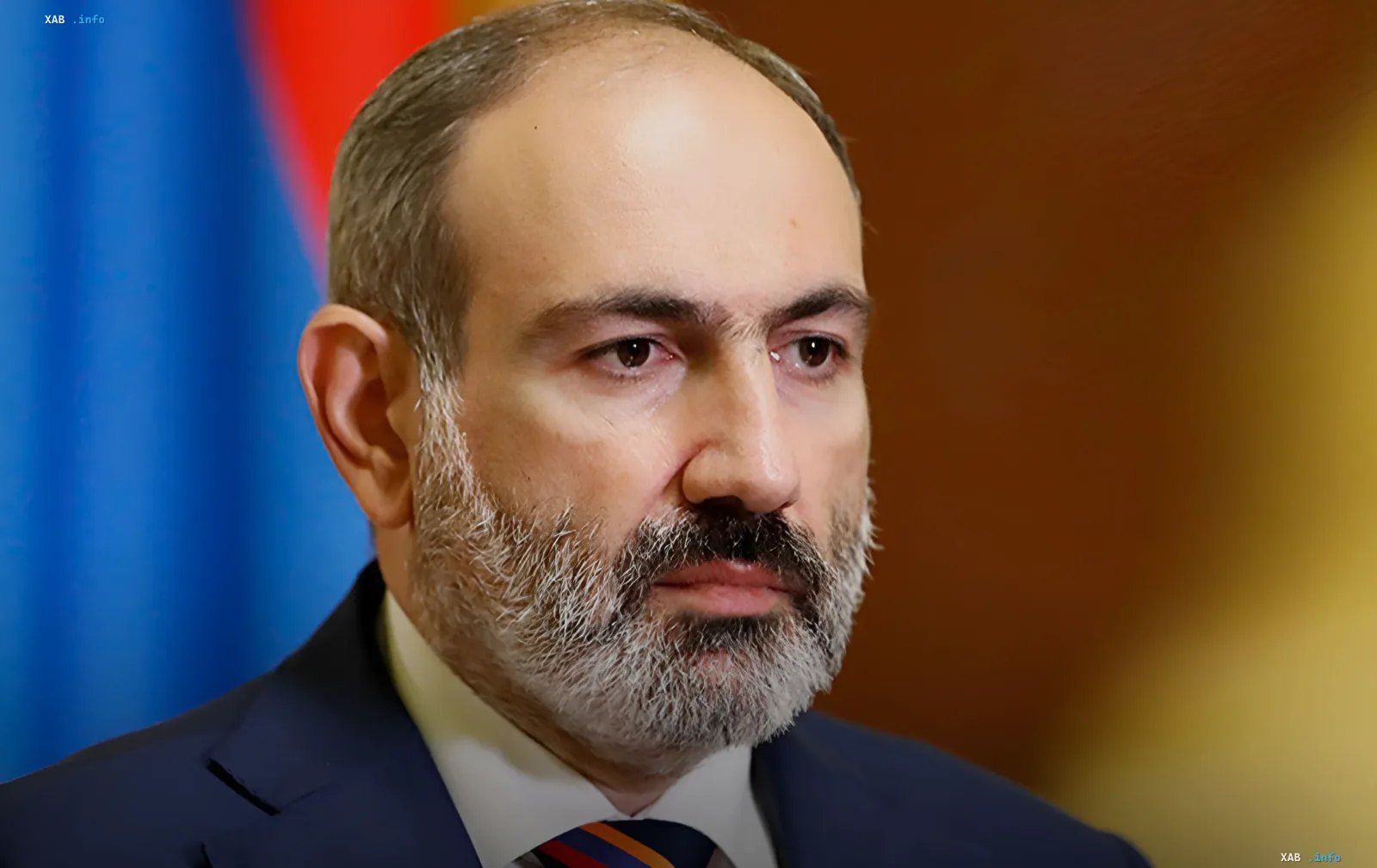
In the approved government program of Armenia for 2026–2031, Russia is no longer mentioned as a strategic ally. As reported by RBC-Ukraine citing a statement by Prime Minister Nikol Pashinyan, and relayed by Arka News Agency, the document replaces the wording on "strategic partnership" with Yerevan's intention to "transform and deepen" its partnership relations with Moscow — effectively downgrading the level and nature of the relationship from an allied format to a working one.
"What happened in September 2022?"
Pashinyan explained the decision by noting that, in his words, it is difficult to speak of a strategic partnership after the events of September 2022 and the failure of the Collective Security Treaty Organization (CSTO) and Russia to fulfill their security obligations. "It all happened before your eyes. If I write 'strategic partnership,' you will ask: what happened in September 2022? Did the CSTO and Russia fail to fulfill their security obligations? They did not," the prime minister declared, effectively making the program's wording a response to the question of the failure of security guarantees.
Freezing of CSTO Participation
The decision fits into a broader context: in 2024, Armenia announced a freeze on its participation in the CSTO, with Pashinyan citing the organization's failure to fulfill its security obligations toward Yerevan as the reason. Armenia's Foreign Ministry additionally reported that Yerevan is refraining from financing the CSTO's activities. Thus, formal membership is preserved, but practical and financial participation is reduced to a minimum.
Contradictory Data
There are two notable inconsistencies here. First, according to Yerevan's version, Armenia has "frozen" its CSTO participation and does not take part in meetings, whereas Vladimir Putin previously stated that Armenia remains a member of the organization and supports its decisions, but does not participate in meetings; in other words, Moscow interprets the status as "membership on pause," while Yerevan — as a de facto suspension. Second, the government program explicitly states that relations with Russia will be "transformed and deepened," which contradicts the rhetoric of a complete break and points to the preservation of a pragmatic channel, even while renouncing the status of "strategic ally." Differences in the parties' wording on the CSTO status and on the depth of relations with Russia remain unresolved.
Course Toward Europe
Against the backdrop of cooling relations with Moscow, the Eurointegration vector is strengthening. RBC-Ukraine previously reported that Armenia would soon officially submit an application for EU membership. Pashinyan clarified that a nationwide referendum on Eurointegration would be held after a roadmap is agreed with Brussels. At the same time, according to available data, Yerevan does not yet see grounds for holding a referendum on choosing between EU membership and the Eurasian Economic Union (EAEU), meaning the "either-or" question is not officially posed.
Rhetoric at the Meeting with Putin
Particular attention should be paid to an episode from Pashinyan's recent meeting with Putin: the prime minister reportedly emphasized that there are no political prisoners in Armenia and that freedom of speech is preserved. This emphasis on domestic democratic indicators in a conversation with the Russian leader is perceived as part of a broader strategy of demonstrating Yerevan's sovereign course against the backdrop of a reassessment of relations with Moscow.