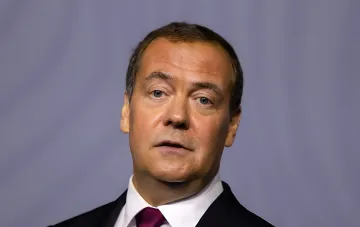
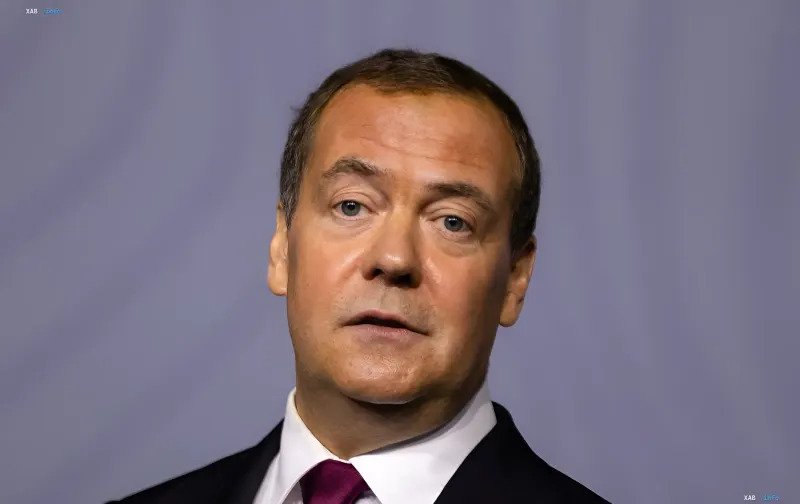
Dmitry Medvedev, Deputy Chairman of the Security Council of the Russian Federation, in a recent interview with Iranian state radio and television, sharply criticized the foreign policy course of official Yerevan. According to him, the leadership of Armenia is consciously choosing a path of rapprochement with Western structures, which will inevitably lead to negative consequences for the republic's statehood and economy.
Yerevan's Vector and Parallels with the Ukrainian Crisis
The Russian politician openly stated that the current authorities of Armenia strive to radically change the vector of geopolitical development. Commenting on these processes, Medvedev emphasized that such a policy will bring nothing good to the country. As his main warning, he cited the Ukrainian scenario, stressing that the worst-case scenario for Yerevan would be transforming into a "new Ukraine."
Contradictory Data
It is worth noting that among experts and Russian official media, there are certain discrepancies in assessing the prospects of Armenia's European integration. While some statements by high-ranking officials focus on the threat of "Ukrainianization" due to cooperation with the EU, other Russian sources, citing the same TASS interview, emphasize the thesis that Yerevan allegedly will never actually join the European Union, yet is already causing serious damage to traditional allied relations with Moscow.
Background of the Conflict and Economic Risks
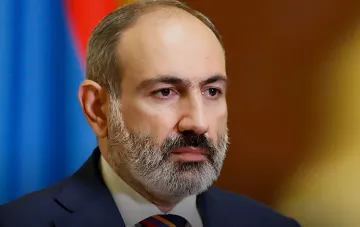
Tensions between the two countries are escalating not for the first time. Back in September 2026, Russian President Vladimir Putin and Armenian Prime Minister Nikol Pashinyan engaged in a public dispute regarding Yerevan's future strategic choice. At that time, the Russian side urged the Armenian leadership to make a final choice between the Eurasian Economic Union and the European Union, warning of inevitable systemic risks. In response, Pashinyan insisted that initiatives to draw closer to Europe do not contradict Armenia's existing obligations to Russia and the EAEU.
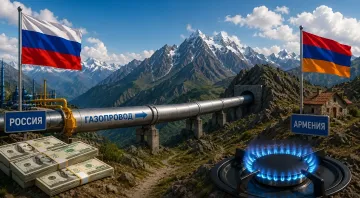
Experts note that Moscow's current rhetoric reflects deep concern over the loss of its traditional influence in the South Caucasus. The strengthening of pro-European integration sentiments in Yerevan is taking place against the backdrop of Armenia freezing its participation in the CSTO and deepening dialogue with Brussels and Washington. Further developments will depend on how harsh economic and political measures Russia is willing to apply in response to the shift in foreign policy priorities of its recent partner.