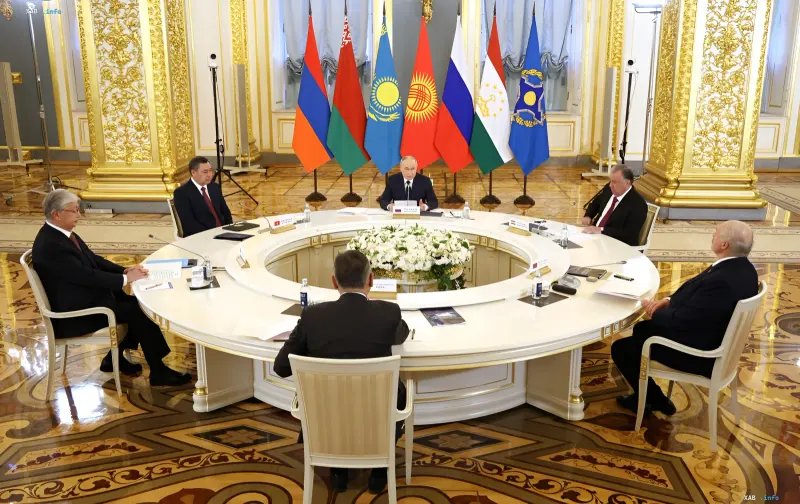
The member states of the Collective Security Treaty Organization (CSTO), acting upon Russia's initiative, have decided to strip Armenia of its voting rights within the organization. This was announced by Dmitry Peskov, the press secretary of the Russian president, who emphasized that this measure resulted from Yerevan's long-standing factual boycott and failure to fulfill its statutory obligations.
Causes and Consequences of Personnel Restrictions
According to Dmitry Peskov, the decision was made in strict compliance with the organization's foundational documents against the backdrop of the Armenian side's refusal to participate in its activities over the past several years. In addition to losing its voting rights, Armenia has also been stripped of the right to appoint its official representatives to key and responsible positions within CSTO governing bodies.
Political Context and Reaction of Armenia's Leadership
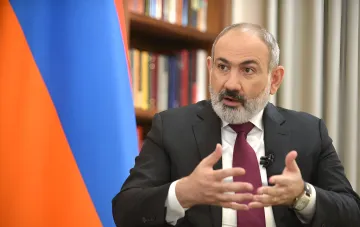
This step occurs against the backdrop of a serious cooling of relations between Yerevan and Moscow and Armenia's active rapprochement with Western countries. Earlier, Armenian Prime Minister Nikol Pashinyan stated that the country does not plan to return to full-fledged work within the structure in the coming years, and the approved government program for 2026–2031 no longer mentions the Russian Federation as a strategic ally.
Impact on Regional Security
The actual curtailment of Yerevan's participation in the CSTO marks a profound transformation of the security architecture in the South Caucasus. Experts note that Armenia's further alienation from post-Soviet integration associations and the reorientation of its foreign policy toward the European vector create new geopolitical realities that will require a revision of bilateral and multilateral formats of interaction in the region.