Events in the sphere of defense cooperation between the USA and Ukraine are developing rapidly. Just a few weeks ago, at the NATO summit in Turkey, US President Donald Trump made a statement that could radically change the landscape of Ukraine's air defense. He promised President Volodymyr Zelensky a license to produce Patriot interceptor missiles.
"That's pretty cool, isn't it? That way, you can't complain that we aren't giving them enough," Trump stated, emphasizing the scale of support.
Reaction from defense giants
However, between political promises and the actual launch of the production line lies a complex path of engineering and diplomatic negotiations. At the Farnborough Airshow, representatives of two key industry players — RTX and Lockheed Martin — indicated that the process is only in its earliest stages.
Tim Kehill, President of Lockheed Martin Missiles and Fire Control, noted that the company is actively consulting with the US Army. "All I can say is that it is too early, and we are negotiating with the US Army, and essentially, we will support the US Army and the administration in what they want to do," he explained.
Company experts point out the logic of producing new missiles in Europe or with other partners, using less complex components. However, the key challenge remains ensuring the supply of homing systems, for which a new supplier will be required.
Technological evolution: from PAC-3 to ACE
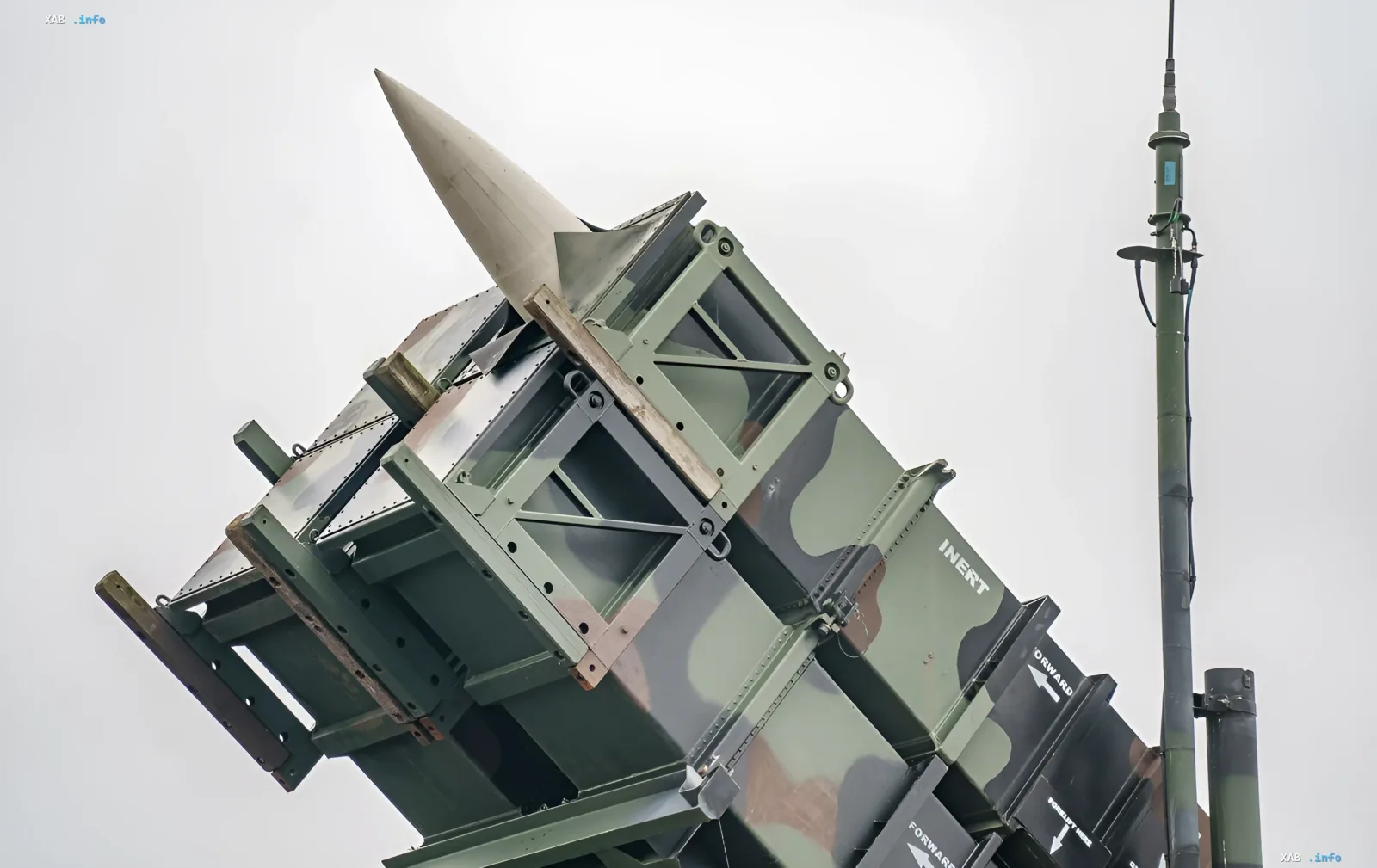
Lockheed Martin, which produces the Patriot Advanced Capability-3 Missile Segment Enhancement (PAC-3 MSE) interceptor missile jointly with Boeing, is already working on cost optimization. On July 20, the company announced the creation of a more affordable PAC-3 Advanced Capability Effector (ACE) missile. According to the developers, its cost will be less than half the price of the PAC-3 MSE.
Although Kehill did not specify whether the new ACE model would be directly linked to the Ukrainian license, the very fact of developing cheaper variants opens new possibilities for scaling production.
RTX plans and current contracts
RTX is also in a mode of active negotiations. Tom Laliberty, President of Raytheon for Land and Air Defense Systems, confirmed that the process has just begun. "Together with Ukraine, jointly with the US government, we are working on these areas to determine what is expedient and best for Ukraine," he stated.
It is important to note that RTX already has experience working with the Ukrainian direction. The company received a contract to produce 600 PAC-2 GEM-T missiles. Part of this production will be released at a joint venture with MBDA Germany — COMLOG, and the rest in the USA.
Political context and Ukraine's goals
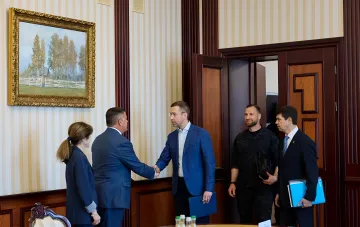
From Kyiv's side, the initiative is supported at the highest level. Volodymyr Zelensky confirmed that the Ukrainian team is already working on obtaining the necessary licenses, and a political agreement on this has been reached. In its plans, Ukraine expects to receive 300 missiles for Patriot air defense systems from allies to ensure security for the winter period.
Thus, Trump's promise is transforming into specific working processes, where key roles are played not only by political will but also by the technical capabilities of global defense corporations.