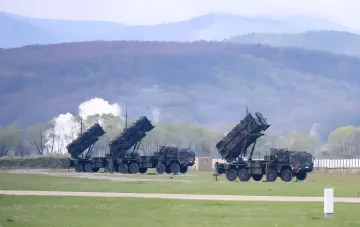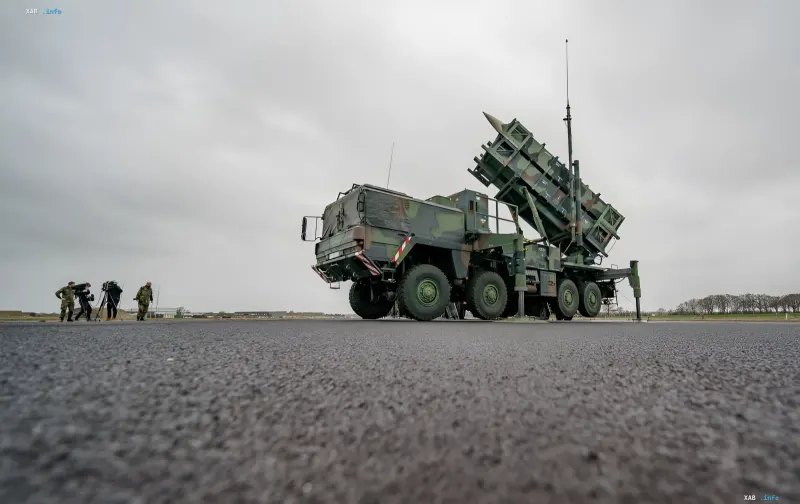
European stockpiles of interceptor missiles for Patriot air defense systems have dropped to minimal levels, and European nations are reluctant to transfer them to Ukraine due to a lack of firm resupply guarantees from the United States. According to Bloomberg analysts, a noticeable improvement in this situation is not expected for at least another year against the backdrop of local production deployment.
Impact of US Aid and European Stockpiles
A reduction or sudden halt in military support from Washington will not lead to an immediate collapse of Ukraine's defense, but it will leave the country in an extremely vulnerable position. Experts note that Europe is still a long way from fully compensating for American capabilities in three key areas: air defense, satellite communications, and military intelligence. According to Ian Lesser of the German Marshall Fund's Brussels office, even if aid ceases, Kyiv will be able to adapt, but it will send a deeply negative strategic signal that boosts Moscow's confidence.
The acute shortage of Patriot systems worsened after US President Donald Trump launched a military campaign against Iran, which required the expenditure of scarce interceptors. Although the US administration recently approved an agreement to sell $2.1 billion worth of missiles to Ukraine, this will not bring a quick solution in practice. National armed forces of European countries are reluctant to share their PAC-2 and PAC-3 stocks without solid alliance guarantees.
Missile Production Prospects and European Alternatives
The supply situation will begin to improve in a year when Ukraine can count on munitions ordered for European production. Between 2027 and 2028, Kyiv is scheduled to receive about 600 PAC-2 missiles produced at facilities in Germany. In addition, late last month, a new agreement was announced regarding the production of PAC-3 missiles in Poland.
At the same time, the promise by the US administration to authorize the manufacture of interceptor missiles directly in Ukraine remains unfulfilled so far. There is also no significant progress in implementing the initiative to create low-cost air defense systems, which was announced in February by five European countries with the largest defense budgets.
Challenges in Intelligence and Satellite Communications
European states also face serious difficulties in matching American capabilities in intelligence and target designation. US military satellites play a critical role in tracking Russian troop movements, detecting potential targets, and providing real-time warnings of air strikes.
Ground logistics and medium-range drone targeting continue to rely on SpaceX's Starlink terminals. Meanwhile, the European counterpart called Bromo has not yet received approval from antitrust regulators due to objections from labor unions and suppliers, and the EU's own space assets are clearly insufficient to meet all of Ukraine's needs.
Significance and Potential Consequences
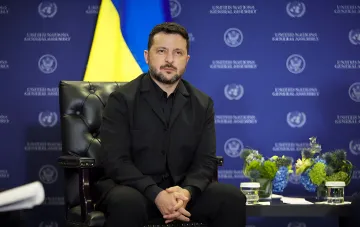
The resulting shortage of air defense assets forces the Ukrainian leadership to seek alternative solutions to neutralize the threat from Russian missile systems. President Volodymyr Zelenskyy previously emphasized the need to obtain long-range Taurus missiles to destroy enemy launchers amid the scarcity of American anti-missiles. Future developments will directly depend on the pace at which European production lines are launched and the stability of foreign policy support.