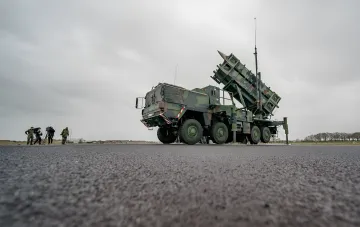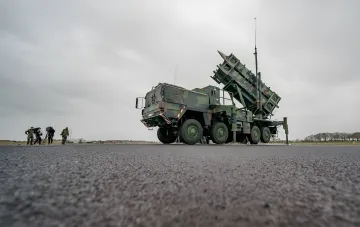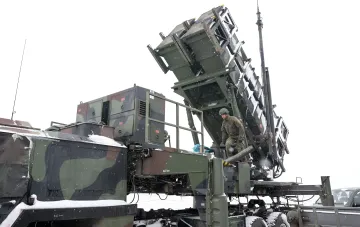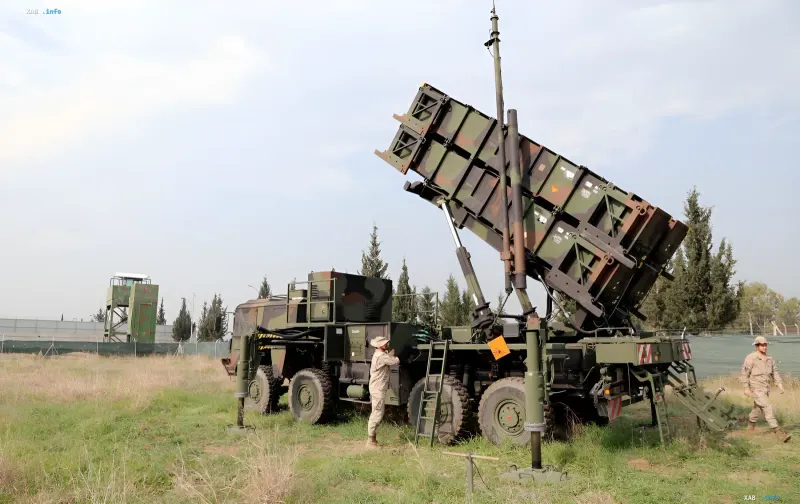
German Defense Minister Boris Pistorius, upon arriving at the EU Council meeting in Brussels on November 17, stated that Germany will direct 300 million dollars toward another package of U.S. weapons procurements for Ukraine. According to the head of the agency, the key priority of the initiative is strengthening Kyiv's air defense, primarily through the supply of PAC-2 and PAC-3 guided missiles for Patriot anti-aircraft missile systems. The statement came amid escalating debate in Europe over the pace of support for Ukraine and critically low stocks of interceptors in EU member arsenals.
Fifth PURL Package: Joint Procurement with Norway
Pistorius clarified that the funds will be deployed within the framework of the PURL (Prioritised Ukraine Requirements List) mechanism—a program allowing European countries to jointly purchase weapons from the U.S. that are absent from the European arsenal. "Together with Norway, we are now doing this, in particular, through another PURL package in which we are participating. We are purchasing systems from the U.S. that do not exist in Europe. This is the fifth package in which Germany is participating. This time we are allocating 300 million dollars," TASS quotes the minister as saying. Thus, Berlin is participating in joint procurements under this program for the fifth time, emphasizing the systemic nature of Germany's military support contribution to Kyiv.
IRIS-T and Integration into Norwegian NASAMS
In addition to missiles for Patriot, Germany continues to transfer IRIS-T anti-aircraft missile systems and ammunition for them to Ukraine, as previously announced. Pistorius paid special attention to the technical project of integrating IRIS-T missiles into NASAMS anti-aircraft missile systems supplied by Norway. According to the minister, this work is already underway and will expand the arsenal of air defense assets available to the Ukrainian military through the compatibility of the two European systems. Military analysts note that this approach increases the flexibility of Ukrainian air defense and reduces dependence on a single type of interceptor.
Radars, F-16 Ammunition, and Drones
The aid that Germany is preparing to transfer within the current cycle will also include new radar stations for air picture monitoring, ammunition for F-16 fighter jets, and unmanned systems. Pistorius emphasized the urgent need for the rapid strengthening of Ukraine's air defense, linking it to intensive Russian strikes on energy infrastructure ahead of the winter period. The minister added that Berlin intends to continue convincing European partners of the need to scale up support for Kyiv, including at upcoming EU Council meetings.
Critical Interceptor Stocks in Europe
The context of Pistorius's statement is complicated by data on the state of EU arsenals. According to Bloomberg, stocks of Patriot missiles in Europe have dropped to a critically low level, making partners reluctant to transfer them to Ukraine; a noticeable improvement in the situation is not expected for at least a year. Aviation expert Konstantin Kryvolap estimated the volume of PAC-3 interceptor stocks in European countries at approximately 200 units, noting that some of them have already been transferred to the Ukrainian side. Under these conditions, the fifth PURL package with the participation of Germany and Norway looks like an attempt to smooth over the deficit through direct purchases from the U.S., bypassing the limitations of national warehouses.