Amid escalating global geopolitical tensions and the depletion of Western arsenals, Ukraine is facing a critical shortage of air defense systems. According to data cited on PBS NewsHour and confirmed by RBC-Ukraine, Washington can no longer supply Patriot missiles in full volume, as the priority for the US has shifted to protecting allies in the Middle East during the conflict with Iran. Experts point out that stocks of American interceptors have decreased by nearly two-thirds, forcing the Pentagon to seek alternative solutions for the Ukrainian army.
Critical Reduction of Stocks and Resource Reallocation
According to estimates by retired US Army Colonel Robert Hamilton, president of the Delphi Global Research Center, the situation with missile armament in the US has reached a critical point. If there were about 2,330 Patriot missiles in the US before the start of the active phase of conflicts, by mid-2026, only about 800 remained. The main factor in such a sharp decline was the active use of anti-aircraft missiles to protect allies in the Persian Gulf from Iranian attacks.
In this regard, Washington is forced to redirect available resources to key theaters of military operations — the Middle East and the Indo-Pacific region. Moreover, the US has begun taking missiles even from European partners who have already paid for them to cover their own needs. This creates a serious threat to Ukrainian defense, which relied on stable supplies of Western weaponry.
Production Capacity Issues and Time Lag
Solving the problem through a simple increase in production is also not a quick fix. Currently, the US produces about 600 Patriot missiles per year, being one of three world manufacturers alongside Germany and Japan. Despite a $58 billion contract aimed at increasing capacity to 2,000 units annually, the first deliveries under this plan are not expected before the beginning of 2029. Full execution of the contract is scheduled only by 2032.
Such a time lag means that in the next two to three years, Ukraine will be forced to exist under conditions of strict economy of air defense resources. Throughout the entire period of the full-scale war, Ukraine has received only about 600 Patriot missiles, which is incomparable with the needs under modern air threats.
Modernizing Soviet Heritage: The S-300 Project
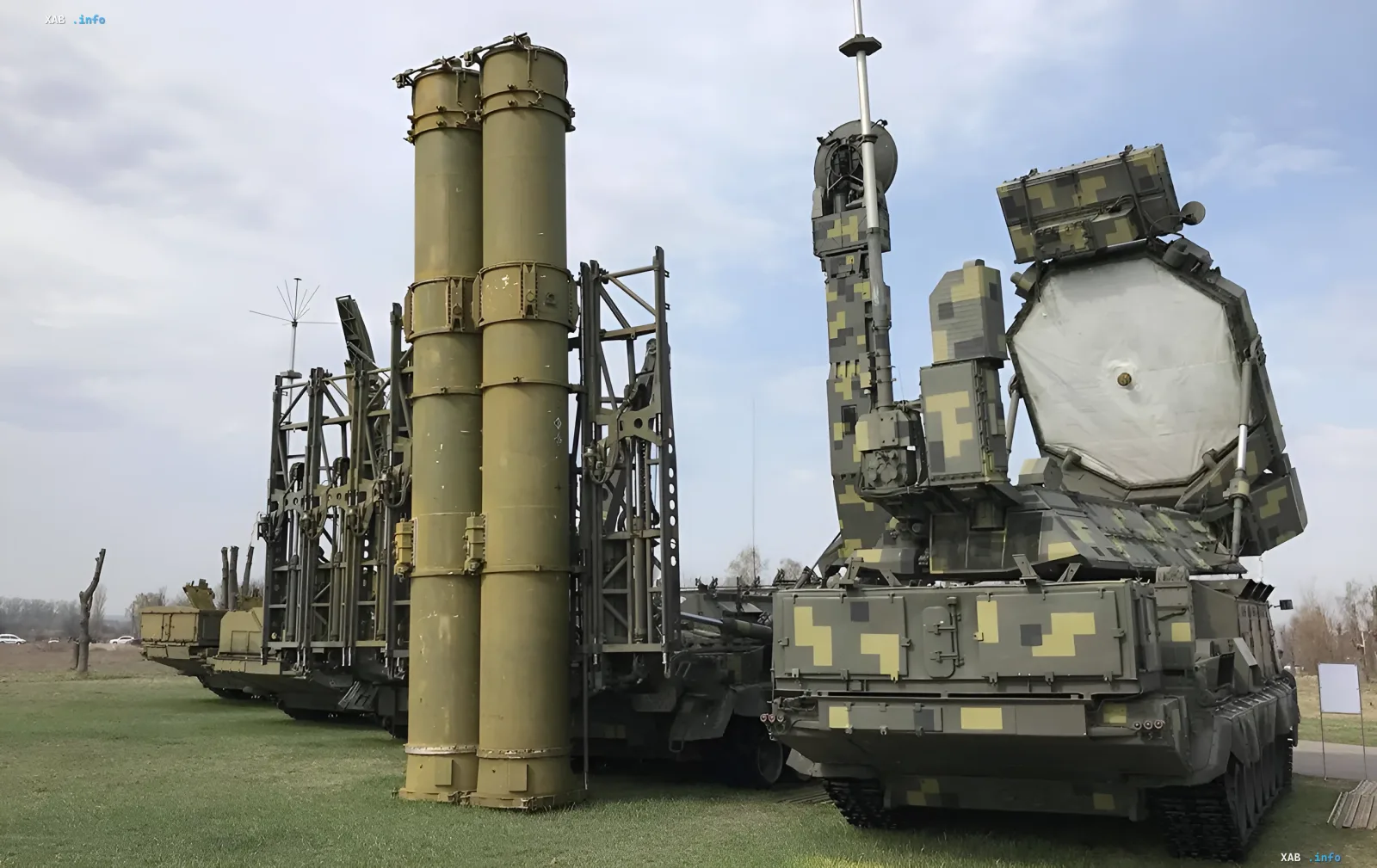
As one of the strategies to compensate for the shortage, experts cite a joint Ukrainian-American project to modernize old S-300 missiles. According to Hamilton, this project should start working closer to the end of 2026. The initiative involves improving the characteristics of Soviet missiles using Western technologies, which will allow them to be returned to service.
However, it is important to note that the volumes of this project will be relatively small — we are talking about the production of one hundred to two hundred missiles per year. Nevertheless, this could become a significant boost for Ukrainian air defense, allowing the use of systems already in stock more effectively.
Alternatives and Shortage of Strike Assets
The second direction that could partially fill the gaps in defense is the French-Italian SAMP/T complex. France has already announced its intention to transfer two batteries of this system to Ukraine in the current year, and Paris and Rome plan to increase supplies in the long term. Nevertheless, as the expert emphasizes, all these initiatives are calculated for months and years, not for solving the problem "here and now".
In addition to air defense problems, Hamilton pointed out a critical shortage of long-range strike missiles. The US Army has effectively exhausted its stocks of ATACMS, and its successor, PrSM, has been used almost halfway. This creates additional pressure on other theaters of military operations and increases risks in the event of simultaneous conflicts in several regions of the world, making the situation with supplies to Ukraine even more complex.