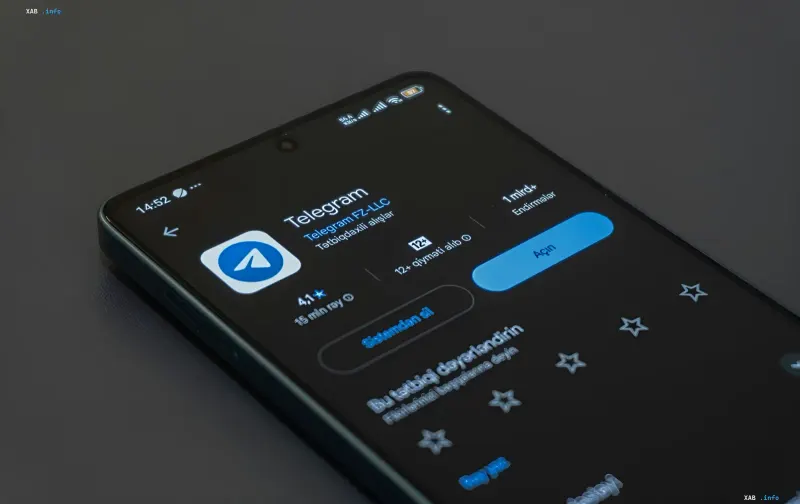
On July 14, Telegram users around the world encountered an unexpected problem: short links in the t.me format stopped working. This made it impossible to access channels and profiles via web browsers, although the app itself continued to function. The incident, which became a global outage, turned out to be the result of a technical error in implementing US sanctions requirements.
Sanctions against VPNs and a blocking error
The cause of the outage was the actions of the .me domain zone operator, the company doMEn. In a press release published after an appeal by Pavel Durov, the company reported that the service had been temporarily suspended due to requirements from the US Office of Foreign Assets Control (OFAC).
It all started with sanctions imposed by the US Department of Treasury on July 13 against the First VPN Service (1VPNS) and its administrator, Dmitry Rashesh. In the official Treasury press release, among the listed service addresses, its Telegram channel was mentioned: t.me/FirstVPNService.
The next day, on July 14, the .me domain zone operator fulfilled a formal request for blocking. However, due to a technical error, not only the specified channel was blocked, but the entire t.me domain, which itself is not under sanctions.
Pavel Durov's reaction and temporary solution
Telegram founder Pavel Durov reacted quickly to the situation, publicly contacting the domain operator on social network X:
«Hey @domainME, links stopped working. Can you look into it?»
While the error was being fixed, the messenger launched an emergency protocol. To maintain content availability, the service temporarily redirected users to its old domain telegram.me, which was used until the end of 2016. Links in this format opened directly in the app, although they could produce errors in web browsers.
Restoration of operation
After Durov's intervention and clarification of the circumstances, the doMEn company removed the serverHold status from the domain. Currently, the operation of t.me has been fully restored, and users can once again access short links without restrictions. The incident showed how fragile internet infrastructure can be when automatically enforcing sanctions lists without detailed address verification.