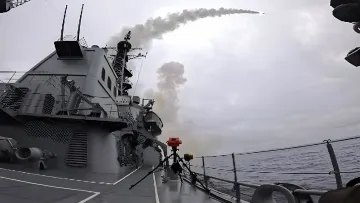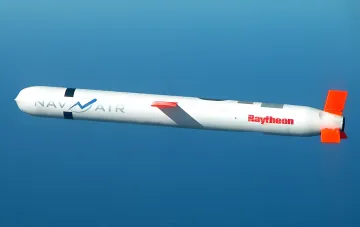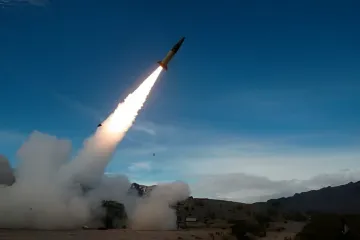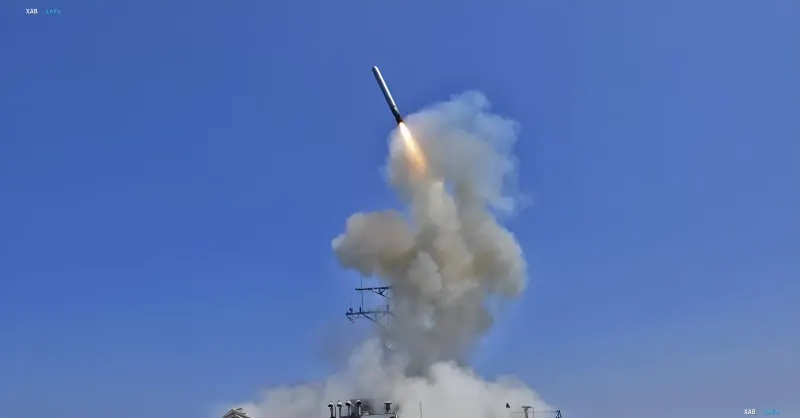
On August 17, 2026, the Pentagon officially announced the signing of a massive contract with Raytheon Corporation worth $22.9 billion. The goal of the deal is the accelerated procurement and production of Tomahawk cruise missiles (BGM-109). This decision was made against the backdrop of growing concerns in Washington regarding the critical depletion of missile stockpiles, caused by the prolonged military confrontation with Iran, which has been ongoing since late February of this year.
Accelerating production and strategic necessity
Acting U.S. Secretary of the Navy Hung Cao, in his statement, emphasized that this contract would ensure the delivery of Tomahawk missiles at "unprecedented rates." According to him, the top priority remains ensuring that the U.S. Navy and its allies have sufficient firepower to conduct active combat operations. Cao also noted that American officials are using all available administrative and financial means to meet the needs of current operations, preventing any disruptions in fleet supply.
The Tomahawk missile remains one of the key elements of U.S. strategic deterrence and strike potential. It is launched from both surface ships and submarines, with a range of over 1,600 kilometers. In the context of the conflict with Iran, where precision strikes on distant targets are required without risking manned aircraft, the value of this weapon increases manifold.
Analysis of stockpile depletion: CSIS data
The decision to allocate a record sum for armaments is underpinned by alarming data from independent analysts. According to an analysis published last month by the Center for Strategic and International Studies (CSIS), U.S. air and missile defense (AMD) system stockpiles have sharply declined. In particular, this refers to Patriot and THAAD missiles, which are actively used to intercept Iranian ballistic missiles and drones.
Before the escalation of the conflict in late February 2026, the U.S. had more than 2,300 Patriot interceptors and more than 450 THAAD missiles in its arsenal. According to CSIS experts, over a few months of intense combat operations, these figures have decreased by approximately half or even more. This puts at risk the ability of the U.S. to protect its bases and ally assets in the Persian Gulf region, which stimulates the search for new solutions and the acceleration of production.
Contradictory data
Despite obvious efforts to replenish stockpiles, there are disagreements in Washington regarding the real picture of ammunition supplies. Earlier this month, American media reported that President Donald Trump personally demanded explanations from the Pentagon chief regarding the shortage of ammunition during a recent cabinet meeting. This indicates that the issue has reached the level of top political leadership.
However, official Pentagon representatives continue to deny that the U.S. is facing critical depletion of missile stockpiles. In their statements, they insist that logistics chains are functioning normally and that current production rates are sufficient to cover needs. Thus, there is a clear gap between the internal assessment of the situation voiced by the President and the public position of the military department, which strives to prevent panic and demonstrate control over the situation.