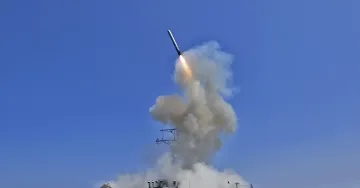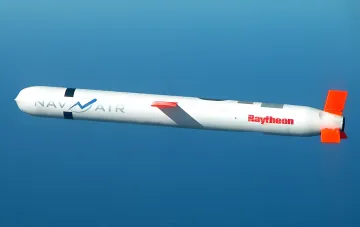

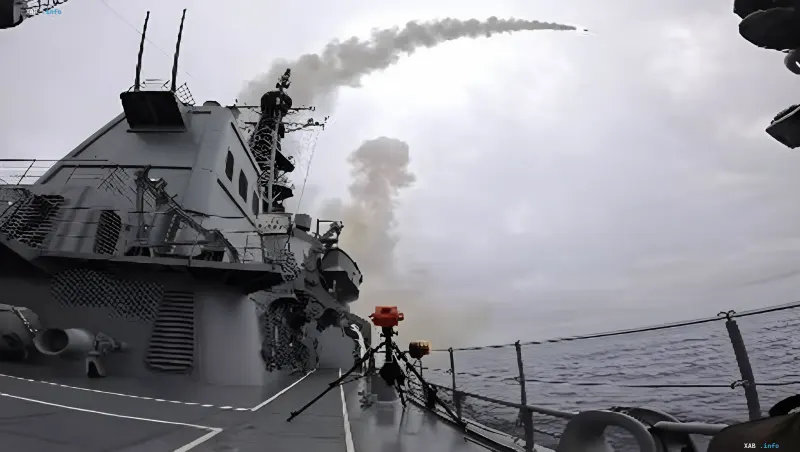
On August 18, 2026, it was announced that one of the largest defense contracts in US history had been signed. The Pentagon and RTX Corporation officially agreed to supply Tomahawk cruise missiles in a deal exceeding $23 billion. Acting Secretary of the Navy Hun Cao stated that this agreement aims to accelerate missile production at "unprecedented rates." The primary goal of the contract is to ensure the US Navy and its allies have sufficient firepower amidst current geopolitical tensions.
Strategic necessity and stockpile depletion
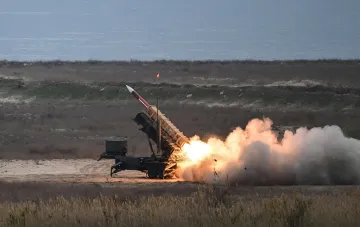
The decision to massively increase production was made against the backdrop of alarming data regarding the state of US arsenals. According to an analysis published last month by the Center for Strategic and International Studies (CSIS), stockpiles of Patriot and THAAD surface-to-air missiles have sharply declined due to the conflict with Iran. Prior to the start of hostilities in late February 2026, there were more than 2,300 Patriot interceptors and more than 450 THAAD missiles in service. Experts estimate that over a few months of active operations, these figures have decreased by approximately half or even more.
In response to these challenges, US officials are using all available means to meet the needs of current operations. The Tomahawk missile, launched from submarines and surface ships, remains a key element of strategic deterrence due to its range of over 1,600 km. Accelerating the delivery of this missile is intended to compensate for gaps in defense systems and enhance the fleet's offensive potential.
Contradictory data
A sharp debate has erupted around the issue of weapon stockpile depletion in the US. On one hand, analysts and independent experts point to a critical drop in ammunition levels. On the other hand, US officials consistently deny that Washington is facing a serious depletion of its missile stockpiles, calling such concerns premature.
Tensions on this issue intensified after President Donald Trump personally asked the Pentagon chief to explain the ammunition shortage situation during a cabinet meeting in early August. Despite public statements about the stability of arsenals, the actual signing of a $23 billion contract indicates that the country's leadership recognizes the need for an urgent ramp-up in weapons production.
Economic scale of the deal
The contract with RTX, one of the world's leading defense manufacturers, will act as a catalyst for the entire US defense industry. The deal amount of $22.9–23 billion will allow not only to replenish existing stockpiles but also to implement new technologies in cruise missile production. This decision is also aimed at strengthening the US position in the global arms market and ensuring the long-term security of alliances.
In a situation where global security requires a rapid response and the availability of sufficient precision weaponry, this contract becomes not just an economic deal, but a strategic step defining the future of American military power in 2026 and beyond.