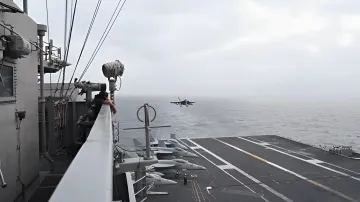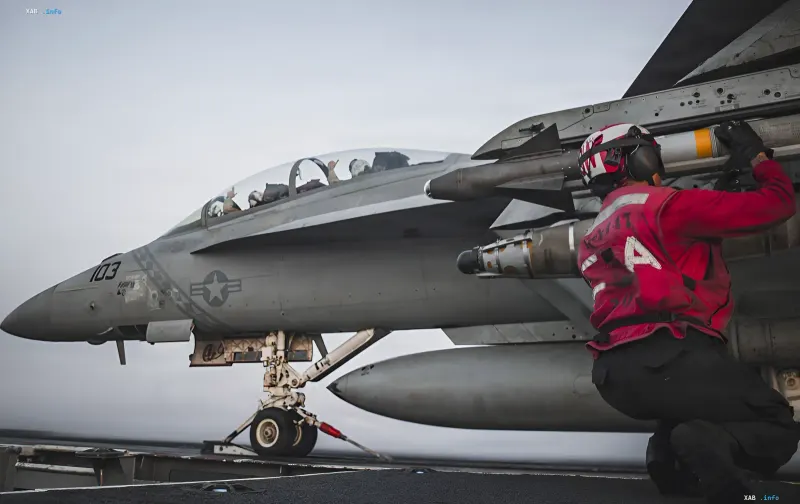
The Pentagon has officially announced the award of a major contract between the U.S. Navy and Boeing for the development of a fundamentally new sixth-generation carrier-based fighter designated F/A-XX. This agreement marks the U.S. military department's transition toward creating next-generation aviation systems capable of operating effectively within high-tech and contested airspace environments. The total cost of the full-scale development phase and the creation of prototype aircraft exceeds the 20 billion dollar mark.
Contract Details and Technical Features of the F/A-XX Program
Under the terms of the agreement, funding will be directed toward design, the creation of a series of experimental aircraft for ground testing, flightworthiness verification, and the deep integration of advanced weapons and avionics systems. As emphasized by Michael P. Duffey, Deputy Assistant Secretary of Defense for Acquisition, the key objectives of the new aircraft will be ensuring uncontested air dominance, significantly expanding the combat radius, and providing the military with a decisive tactical advantage on the modern battlefield.
Cooperation with Drones and Replacement of Legacy Platforms
One of the most critical architectural features of the F/A-XX fighter will be its ability to fully interact with both manned and unmanned aerial vehicles, which will dramatically increase the combat effectiveness of every element within the combat group. In the future, Boeing is expected to deliver a platform that will initially complement and eventually completely replace aging carrier aircraft such as the F/A-18E/F Super Hornet and the EA-18G Growler electronic warfare aircraft, while operating in close coordination with F-35C stealth fighters.
Controversial Data
While covering the deal between the Pentagon and Boeing, specialized international publications and news agencies presented similar figures regarding the financial side of the agreement, yet diverged in details concerning parallel U.S. defense initiatives in the Middle East. While Western and Ukrainian sources focus exclusively on the technical side of the F/A-XX program and its significance for the Navy, some Russian and Belarusian media outlets emphasize the context of simultaneous discussions regarding potential export deliveries of F-35 fighters to Saudi Arabia and the UAE, linking these processes into a unified Washington strategy to reshape global military balances.
Strategic Significance and Future Prospects
The implementation of such a large-scale contract is assessed by the American leadership as a critically important and irreplaceable investment in the national security of the United States and the maintenance of long-term superiority in air combat. The F/A-XX program is designed to counter the challenges posed by America's technological competitors on the global stage. Despite the high cost and ambition of the project, the successful completion of testing and the subsequent adoption of the aircraft into service will shape the profile of U.S. Navy carrier aviation for the coming decades.