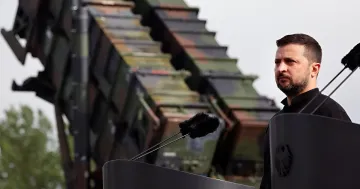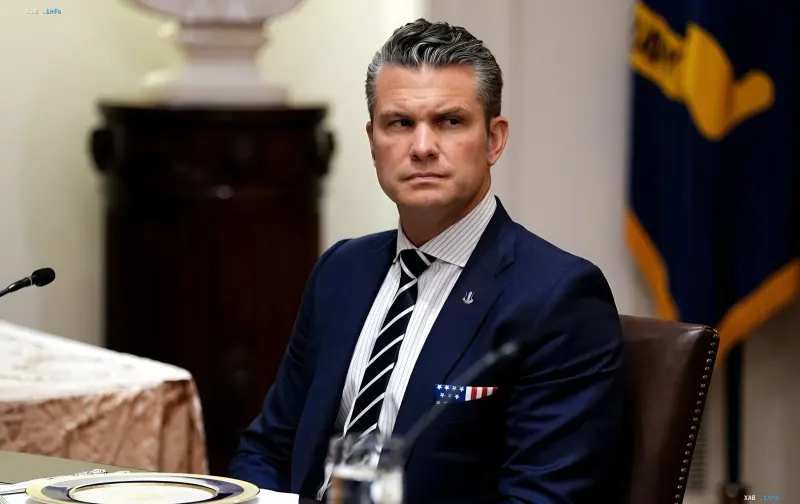
The administration of U.S. President Donald Trump has not approved the transfer of Patriot interceptor missiles to Ukraine, which are needed for defense against Russian missile attacks. This is reported by The Washington Post, citing an American official and three other informed sources. According to them, at least part of the Patriot missiles comes to Ukraine from partner countries, for which transfer the approval of Pentagon chief Pete Hegseth is required. There has been no formal refusal from the minister, but he has not taken the necessary steps to approve the deliveries either.
Why the Pentagon Makes the Decision
The reason for this procedure lies in the terms of supply: we are talking about U.S.-manufactured weapons supplied abroad under an agreement stipulating that their further transfer to third countries is possible only with the permission of the United States. That is why when a partner country wants to transfer interceptors to Ukraine, Washington retains veto power, and the final word rests with the Secretary of Defense. The Washington Post's sources emphasized that Hegseth continues to approve certain types of U.S. aid to Ukraine, meaning the delay applies specifically to this category of supplies.
No Formal Refusal, but No Approval Either
A key detail pointed out by sources is the "hänging" status of the decision: the Pentagon chief has neither publicly nor officially rejected the transfer of interceptor missiles, but nor has he completed the procedures necessary to approve it. Such a scenario effectively means uncertainty for Kyiv, which relies on these munitions for air defense. The publication notes that delays are occurring against the backdrop of an acute shortage of interceptors, which, according to Ukrainian sources, has been felt since summer.
Acute Shortage of Interceptors
The context of the delay is reinforced by data on stockpile conditions. Earlier, CNN reported that Ukraine essentially has no Patriot interceptor missiles left to defend against Russian air attacks, and as a result, during one of the recent strikes, Kyiv was unable to intercept most ballistic missiles. A Ukrainian official, according to The Washington Post, stated that "only a couple" of such missiles remain in the reserves. The critical shortage of munitions for Patriot is reported to weaken population defense against nearly daily Russian ballistic strikes.
Kyiv's Reaction and Pressure on Congress
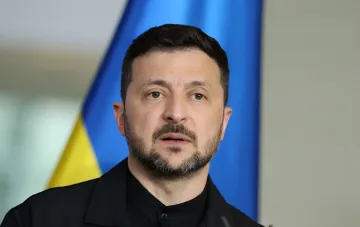
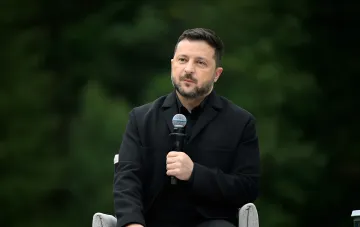
Against the backdrop of these reports, Ukrainian President Volodymyr Zelenskyy held an online conversation with a group of bipartisan senators on October 19, urging them to pressure the Trump administration to resume intelligence sharing and weapons supplies. He reported on restrictions concerning Starlink and Starshield, the lack of ballistic intelligence sharing (information was absent, he said, at least three times), and the fact that Hegseth refuses to grant consent for the supply of Patriot and AIM-9x missiles for NASAMS air defense systems. In parallel, Zelenskyy stated that the U.S. company Raytheon is ready to start producing interceptors for Patriot for Ukraine, asking Washington to accelerate this process, including within the framework of the "winter missile package." Some Ukrainian publications also reported that the U.S. is ready to approve the transfer of a limited number of older missiles for Patriot, taking into account political, military, and economic factors.