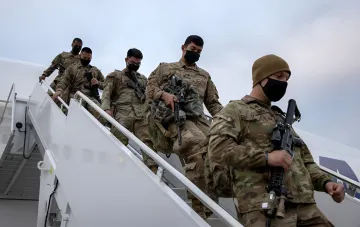
Sean Parnell, the official spokesperson for the U.S. Department of Defense, provided detailed information regarding the status of U.S. military personnel in the Middle East. During the briefing, it was confirmed that nearly 100 U.S. service members sustained injuries of varying severity as a result of a series of airstrikes launched by Iran in July 2026.
Statistics and Medical Classification of Injuries
According to official data from the defense department, the overwhelming majority of those injured — 96% — have already returned to duty. This indicates that the nature of the injuries sustained is not critical to the long-term combat readiness of the contingent. The Pentagon report clarifies that the vast majority of cases are classified as mild concussions and brain shakes.
A deterioration in the health status of service members was recorded starting from July 7, 2026. It was during this period, amidst escalating tensions, that attacks on the infrastructure of U.S. and allied force bases intensified. Special attention in the report is paid to the medical examination procedure. Medical services conduct regular screenings among personnel who were in the shelling zone, as the symptoms of mild traumatic brain injuries often do not manifest immediately after exposure to the blast wave, but rather after a certain period.
Legal Aspect and Accounting Protocols
An important element of the department's official position is the strict adherence to injury accounting protocols. According to the U.S. Department of Defense regulations, mild traumatic brain injuries (TBI) sustained as a result of blast wave exposure are subject to mandatory accounting and medical follow-up. This requirement applies regardless of the degree of initial symptom manifestation, allowing for accurate statistics and ensuring long-term monitoring of personnel health.
Regional Context and Assessment of Protection Effectiveness
The escalation of hostilities in the Middle East led to retaliatory measures by Iranian forces, which struck objects housing the American contingent. Relevant departments emphasize that the fortification measures taken and timely warnings allowed for the avoidance of mass heavy casualties. Despite the damage inflicted on infrastructure, defense structures continue to monitor the situation at deployment points, assessing risks and the effectiveness of current security protocols.