Most popular vegetables require annual planting, seedling cultivation, and constant attention. But there is a category of crops that radically simplifies the gardener's work: perennial vegetables. According to Styler (an RBC-Ukraine project), citing Martha Stewart, such plants can be planted once and yield a harvest season after season without repeating the entire cycle. Below are the main representatives of this group and the key rules for their care.
Asparagus: Patience Pays Off for Decades
Asparagus is one of the longest-lived crops in the garden. After planting, it needs 2–3 years to establish before you can expect a full first harvest. From then on, it can provide a steady yield for decades. The crop is well suited to regions with cold winters, as it requires a dormant period. The key is to provide plenty of sun and regular watering during the plant's first two years of life.
Artichoke: A Luxury That Demands Sun and Mulch
The edible part of the artichoke is the unripe flower bud, which tastes somewhat like a walnut. The plant is undemanding in one respect and demanding in another: it needs at least six hours of direct sun per day and consistently moist soil. For the artichoke to survive winter and not freeze, the bushes are generously covered with a thick layer of mulch in autumn — without this protection, the crop may die in cold regions.
Horseradish and Rhubarb: The “Plant and Forget” Principle
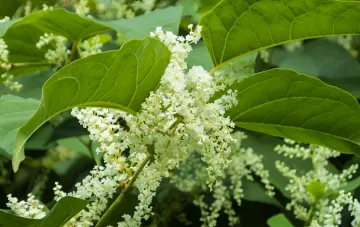
If you often buy that aromatic root vegetable with large leaves and fragrant white flowers at the store, it's time to give it a permanent place in the garden bed. The key rule for caring for it is to prevent the soil from drying out in summer, otherwise the roots become woody and too bitter; at the same time, you must avoid waterlogging to prevent rot. Rhubarb, for its part, is an incredibly hardy plant with large leaves and reddish stems that are used in pies, compotes, and jams. It is barely affected by pests and diseases, making it an ideal choice for those looking for a “plant and forget” approach.
“Walking” Onion: Propagation in Motion
This perennial bulb plant, with a pronounced garlic-onion aroma, needs moist soil during active spring growth. But as soon as the leaves die back in early summer, watering stops so that the bulbs stay dry during dormancy. Instead of the usual flowers, this onion forms clusters of small aerial bulbs at the tips of its shoots: under their weight, the stem bends toward the ground, the bulbs take root, and the plant appears to “walk” across the bed. You can use both the green tops and the underground and top bulbs, leaving some for further propagation.
Conflicting Data
It is worth noting that the exact composition and size of the list of perennial vegetables varies depending on the source. Styler (RBC-Ukraine), for example, highlights six such crops, while other publications (such as pravda.ru) expand the list to eight. The specific set of plants and the care emphases also vary from one article to another. Therefore, the list above should be regarded as illustrative rather than exhaustive: it is best to tailor your choice of specific crops to the climate and conditions of your particular plot.
In the end, perennial vegetables are a way to cut down on routine and get a continuous harvest without annual replanting. Asparagus, artichoke, horseradish, rhubarb, and “walking” onion require different levels of attention, but all of them pay off with a multi-year harvest and minimal planting effort.