In late summer, when most garden crops have already finished blooming, one of the most aggressive invasive species begins to show itself on properties — Japanese knotweed, also known as Fallopia japonica. According to the publication Styler, citing the Daily Express and warnings from the Royal Horticultural Society, this plant is capable not only of displacing native flora but also of causing real damage to property: its root system destroys paving and structures, which in some cases lowers a home's market value and complicates the process of obtaining a mortgage. That is precisely why experts call August and September the optimal time to carefully inspect your property and detect the problem in time.
Why It Is Easiest to Spot Right Now
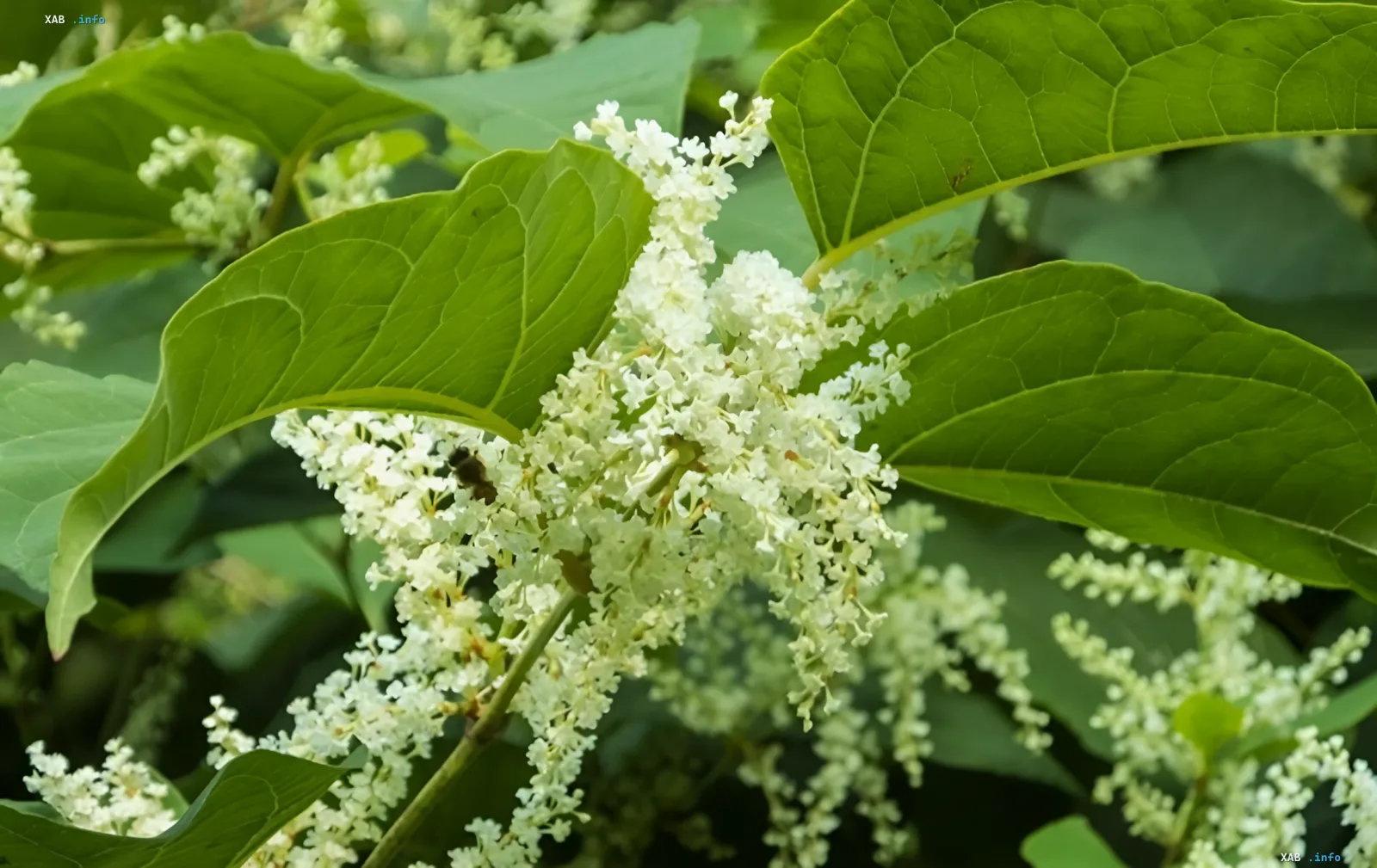
The key marker for any gardener is flowering. In August and September, Japanese knotweed begins to bloom with white flower clusters, making it visually noticeable against the greenery. The Royal Horticultural Society emphasizes: if you suspect this plant is present on your property, you must act with extreme caution, because improper control only worsens the situation. As a field reference, specialists recommend paying attention to the species' distinctive features and carefully inspecting the boundaries of the property, the areas near fences, sheds, and garden paths — it is exactly there that invasive plants most often produce their first shoots.
What the Main Danger Is
Japanese knotweed is officially classified as an invasive species, and its threat is built on phenomenal resilience and destructive power. First, its powerful rhizomes form dense thickets that deprive neighboring plants of light, space, moisture, and nutrients, effectively displacing native flora. Second, the root system is so strong that it can grow through weak points and cracks in asphalt, concrete, brickwork, and garden paving, destroying the property's infrastructure. Third, the plant demonstrates exceptional regeneration: knotweed can grow from a tiny fragment of root or stem, and the rhizomes themselves can "sleep" in the soil for years, waiting for favorable conditions to resume growth.
The Most Common Gardener's Mistake
The main and most destructive mistake is attempting to dig up or cut down the plant on your own. According to the experts cited by Styler, such action almost invariably leads to the immediate spread of the species: cut and scattered fragments of root and stem become new growth points. Therefore, upon discovering suspicious thickets, you should not grab a shovel or secateurs without understanding the plant's biology and without consulting specialists in invasive species control.
What to Do If You Find It
The first and safest step is diagnosis. Carefully inspect the boundaries of the property, the areas near fences, sheds, and garden paths, as well as any patches with white flower clusters during the blooming period. If the presence of Japanese knotweed is confirmed, do not attempt to remove it yourself and contact qualified specialists who will choose a control method that accounts for the resilience of the rhizomes and the risk of their spread across the property. This approach helps minimize damage to the soil, neighboring plants, and infrastructure, and in the long term — preserve the value of your property and avoid creating obstacles for future real estate transactions.