August and early September are not only a time of active fruit harvesting, but also a critically important period when the foundation for the entire next gardening season is laid. It is precisely now that plants need proper care to successfully survive the winter and conserve their strength for the spring awakening. As of late August 2026, agronomic recommendations agree on one thing: the more precisely the set of finishing tasks is carried out, the more stable the result will be the following year. Below is a summary of the key tasks, based on materials from the Styler publication (an RBC-Ukraine project) and data from the University of Illinois Extension.
Nitrogen Fertilizers — Strictly Prohibited
By the end of summer, it is categorically forbidden to apply nitrogen to the soil. Its purpose is to stimulate vegetative growth, and new shoots that have not yet had time to lignify will not survive the first frosts and will become entry points for diseases. Instead of nitrogen, the focus shifts to phosphorus-potassium formulations and mechanical support of the root system, which allows the plant to build up reserves and prepare for dormancy.
Coffee Grounds and Sanitary Pruning of Buds
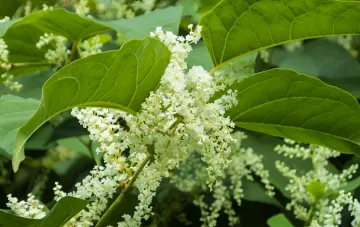
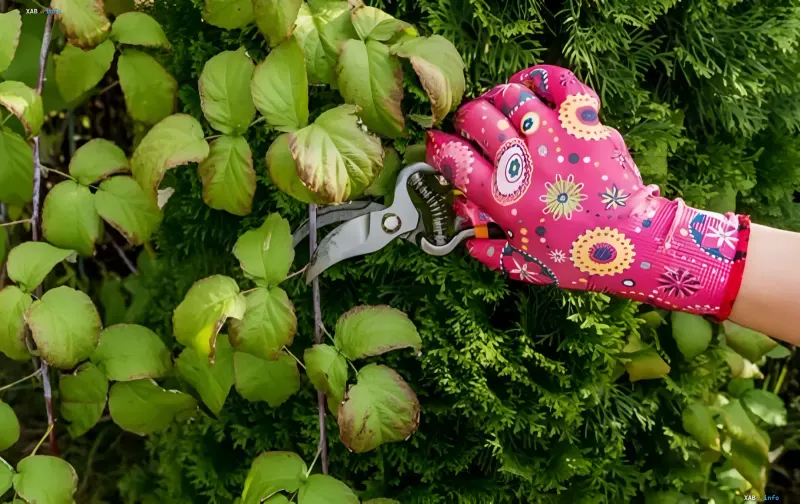
To improve soil aeration and gently support the final wave of flowering, dried coffee grounds work wonderfully when applied to the trunk circles. It is equally important to promptly remove withered buds and faded flower clusters: this is an effective prevention of fungal infections, which, with the arrival of autumn dampness, attack bushes with particular intensity. Sanitary cleaning of the bush reduces the load on pathogens and lowers the risk of winter infection.
Mulching Berry Bushes
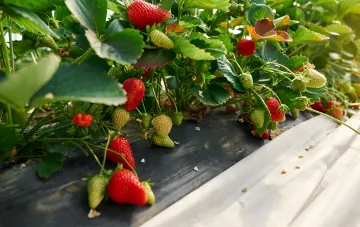
Raspberries and other berry bushes need protection of their shallow root system from future temperature fluctuations after fruiting. Renewing the mulch layer using shredded bark handles this task perfectly, while simultaneously retaining the necessary moisture and suppressing weeds. The mulch layer acts as thermal insulation, smoothing out sharp fluctuations in soil temperature during the transitional autumn period.
Fighting Pests Without Aggressive Chemistry
In late summer, slinks and snails become active, preparing to lay their eggs. Instead of aggressive chemicals, beer traps or planting repelling flowers nearby, such as snapdragons (lion's mouth), are effective. Against rodents, which in autumn begin searching for shelter, lavender plantings or regular spraying with garlic infusion work well. This approach allows you to reduce the number of pests without disrupting the balance of the plot.
Green Manures and Sowing Greens for an Autumn Harvest
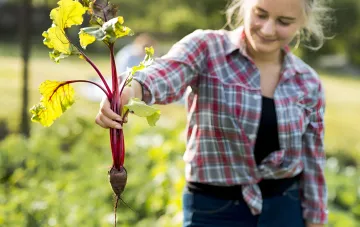
Harvested onions, garlic, or early potatoes — do not leave the soil bare. Sow the empty plots with green manures: mustard, phacelia, or oats. They will loosen the soil, displace weeds, and serve as a green fertilizer. The University of Illinois Extension notes that late August is one of the last favorable times to sow root crops for an autumn harvest — they can be harvested in about a month. In the last week of August, you can also sow radishes, spinach, leaf lettuce, arugula, dill, parsley, and other greens. In conclusion: the finishing set of tasks in late August 2026 is a complex of abandoning nitrogen, mulching, sanitary cleaning, biological protection against pests, and sowing green manures with greens. Carrying out this list forms the basis for a healthy and productive next season.